Programs & Projects
We design and execute programs aimed at supporting and developing communities through well-planned, high-impact projects.
Other Projects
MSCS Project — Municipal Social Cohesion Strategies
Municipal Social Cohesion Strategies Project
Supporting five municipalities to develop comprehensive, participatory strategies that strengthen social cohesion.
Target municipalities
Core strategic pillars and objectives for strengthening social cohesion
Strategic pillar (1): Governance and transparency
Strategic pillar (2): Protecting citizenship from tribal pressure and promoting social peace
Strategic pillar (3): Creating space for young people and empowering them culturally and through sport
Strategic pillar (4): Economic empowerment and job creation
Strategic pillar (1): Social inclusion and protection of low-income groups
Strategic pillar (2): Good governance and building institutional trust
Strategic pillar (3): Digital transformation and establishing a leading cultural centre
Strategic pillar (1): Tackling unemployment, developing human resources and entrepreneurship
Strategic pillar (2): Building effective administration, transparency and a comprehensive database
Strategic pillar (3): Including persons with disabilities as a measure of social cohesion
Strategic pillar (4): Shared activities, culture and heritage as a driver of cohesion
Strategic pillar (1): Restoring trust and opening transparent channels of communication
Strategic pillar (2): Empowering young people, building their capacities and activating shared activities
Strategic pillar (3): Empowering women and activating their role as a nucleus of social cohesion
Strategic pillar (4): Shared activities and community events as a driver of cohesion
Strategic pillar (1): Social inclusion and equal opportunity
Strategic pillar (2): Cultural identity and heritage as a lever for cohesion
Strategic pillar (3): Improving local governance and building trust
Strategic pillar (4): Economic empowerment and developing opportunities for young people
Funding pillars and mechanism
Where no mechanism exists to transfer funds directly to organisations, funding will be provided exclusively as in-kind support. Moomken Organization for Awareness and Media will handle procurement and provide the necessary goods or services in line with the approved budget for each initiative.
Eligible applicants
Local civil society organisations — municipal unions — universities — sports associations — private sector entities — community partnerships between the municipality and civil society organisations — youth centres — women's training and development centres.
Evaluation and selection criteria
Proposals will be evaluated and selected in close consultation with representatives of the municipalities concerned, according to the following criteria
Terms of reference
Application form
Budget
Criterion
Description and eligibility requirements (based on the project proposal)
Weight
Strategic alignment
The initiative must be a direct result of the priorities and short-term initiatives set out in the municipality's social cohesion strategy.
30%
Inclusiveness
Targeting and engaging municipal residents and vulnerable groups, including: women, internally displaced people, returnees, and persons with disabilities.
25%
Conflict sensitivity
Strict adherence to Do No Harm principles, ensuring the initiative does not provoke any local sensitivities.
10%
Capacity and delivery
Clarity of activities, a realistic timeline, and the ability to coordinate with the community participation section of the municipality's community development department.
15%
Monitoring and evaluation
Clear indicators to measure direct impact, and the applicability of participatory evaluation tools.
20%
Applying for the grant
“Ahlan Simsim” Educational Program for Children in Libya
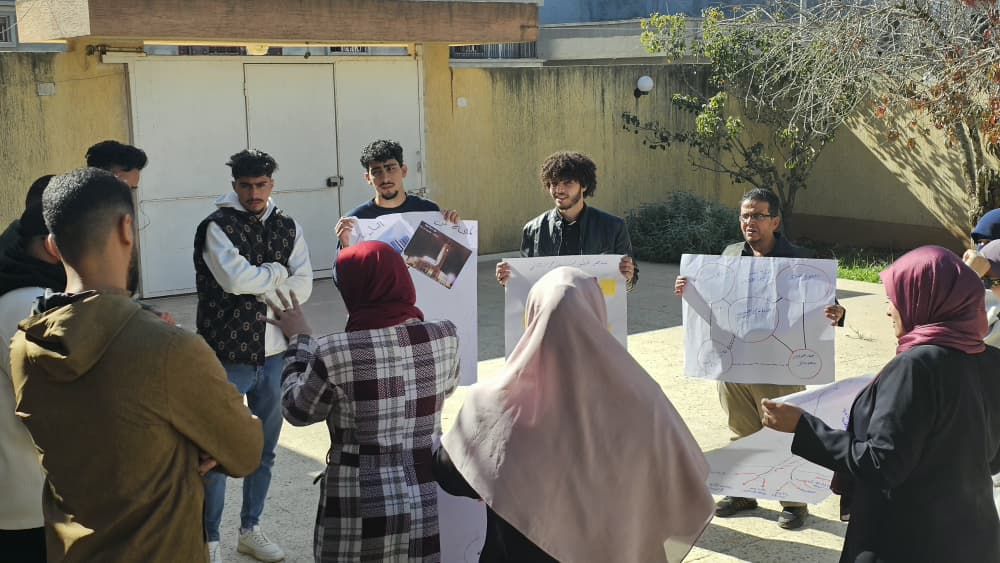
In 2023, Moomken Organization participated in implementing an evaluation study in partnership with Altai Consulting. The study targeted 36 children aged 4 to 6 years in the cities of Tripoli and Sebha. It aimed to collect children’s opinions on their experiences with the episodes of the educational program “Ahlan Simsim,” in order to improve the quality of the content provided.
Despite logistical challenges such as rescheduling interviews, Moomken’s team successfully reached all targeted children, enabling the collection of valuable data to enhance the program.
- Directly gathered children’s feedback on the educational benefits of the program.
- Identified areas for improvement to better meet learning needs.
Bixal
To support USAID initiatives in promoting good governance, empowering civil society organizations, and building local capacities across Libya by collecting qualitative and quantitative data that contribute to impact evaluation and ensure transparency and accountability.
- Conducting field visits (in-person and virtual) to collect data through direct observation, interviews, and document review.
- Documenting indicators related to local governance, civil society, and institutional development.
- Providing data and analysis that support decision-making processes for partners and assist in tracking progress achieved.
- Total visits conducted: 188 visits (in-person and virtual).
- Targeted cities: 20 cities, including: Tripoli, Sebha, Benghazi, Wadi Etbah, Murzuq, Ubari, Ghat, Shahat, Brak Al Shati, Zliten, Misrata, Bani Walid, and others.
- Number of monitors involved: 30 monitors (24 male, 6 female)
E-Resource Center
The E-Resource Center project was launched to enhance the digital capacity and institutional resilience of Libyan civil society organizations (CSOs). Through this initiative, Moomken Organization aimed to create an accessible, interactive platform that supports CSOs by providing reliable digital learning content, organizational development tools, and a knowledge-sharing network.
The project was part of a broader program funded by the European Union and implemented by the British Council in partnership with international and local actors.
To support the digital transformation of Libyan CSOs by providing them with a virtual platform and capacity-building content, enabling them to improve their internal systems, engage their communities more effectively, and ensure long-term sustainability.
- A digital resource platform now hosts more than 50 tools and training modules accessible to hundreds of users.
- Dozens of CSOs benefited from tailored training on organizational development, financial management, and strategic planning.
- Created a sustainable knowledge hub for civil society actors seeking growth and collaboration opportunities.
- Designed and launched a user-friendly online platform providing training materials, self-assessment tools, and policy templates for CSOs.
- Produced digital video content and step-by-step guides in Arabic to help organizations improve governance, communication, and project implementation.
- Delivered virtual and in-person capacity-building workshops targeting civil society stakeholders across Libya.
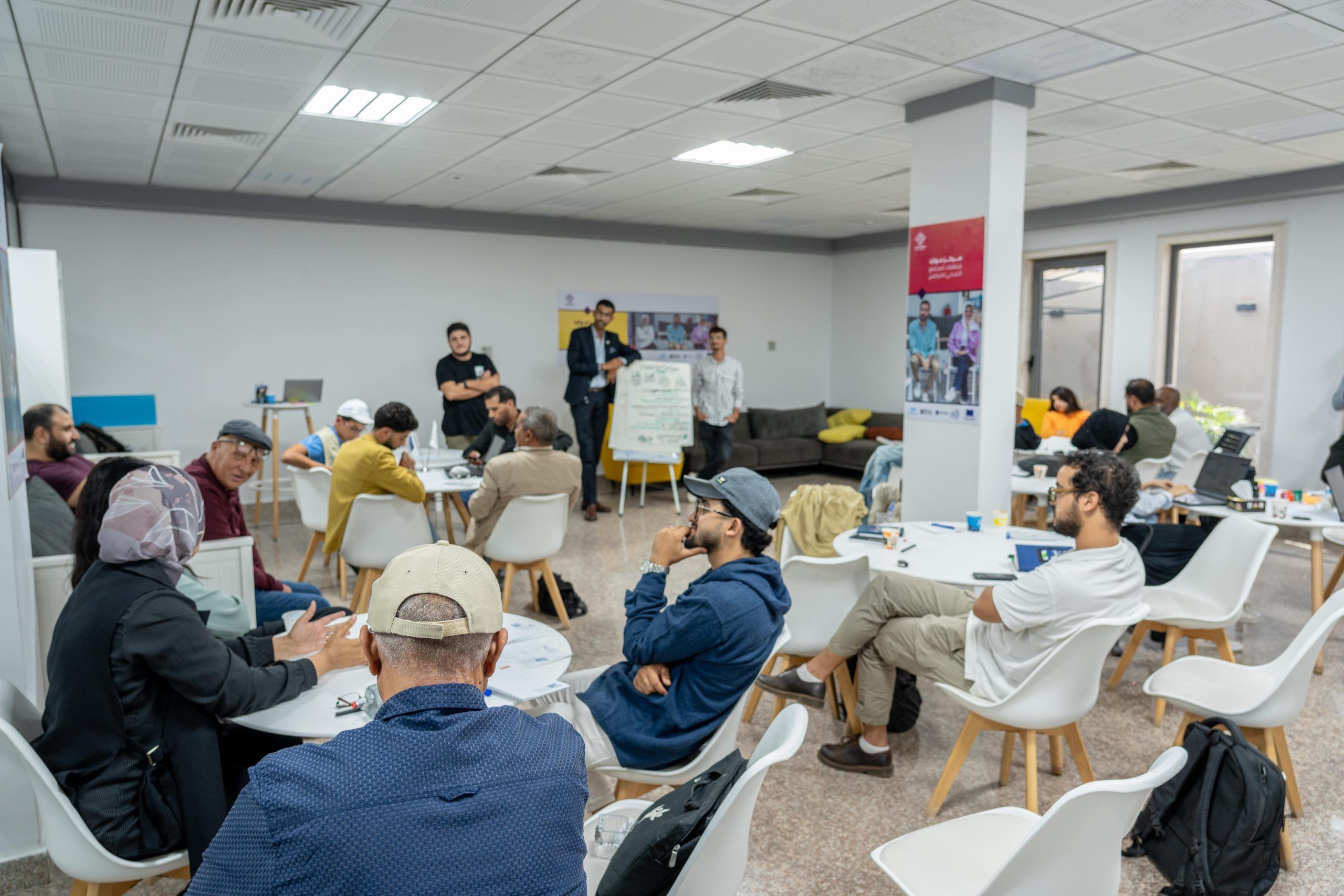
Environmental Laws and Civil Society Organizations Workshop – FES
Main Topics:
- Environmental legislation and legal frameworks for civil society organizations
- Climate change policies and institutional coordination
- Building alliances between environmental organizations
- Peace, security, and environmental education
- Engaging youth and inter-ministerial cooperation
Role of Moomken Organization:
Moomken organized and implemented a two-day workshop to enhance the role of environmental civil society organizations in Libya. This included logistical coordination, content preparation, and session facilitation in partnership with legal and environmental experts. Moomken’s media team also produced three animated awareness videos on climate change inspired by the workshop outcomes.
Objective:
To enhance the capacities of environmental organizations and strengthen their cooperation with government institutions in climate governance. The workshop brought together 21 participants, including youth-led organizations, representatives from the Ministries of Environment and Agriculture, and expert specialists to discuss environmental laws, civil society regulations, and collaborative strategies to address climate challenges. The workshop resulted in the establishment of the foundation for a national environmental organizations alliance and the production of animated educational content to support ongoing environmental education efforts in Libya.
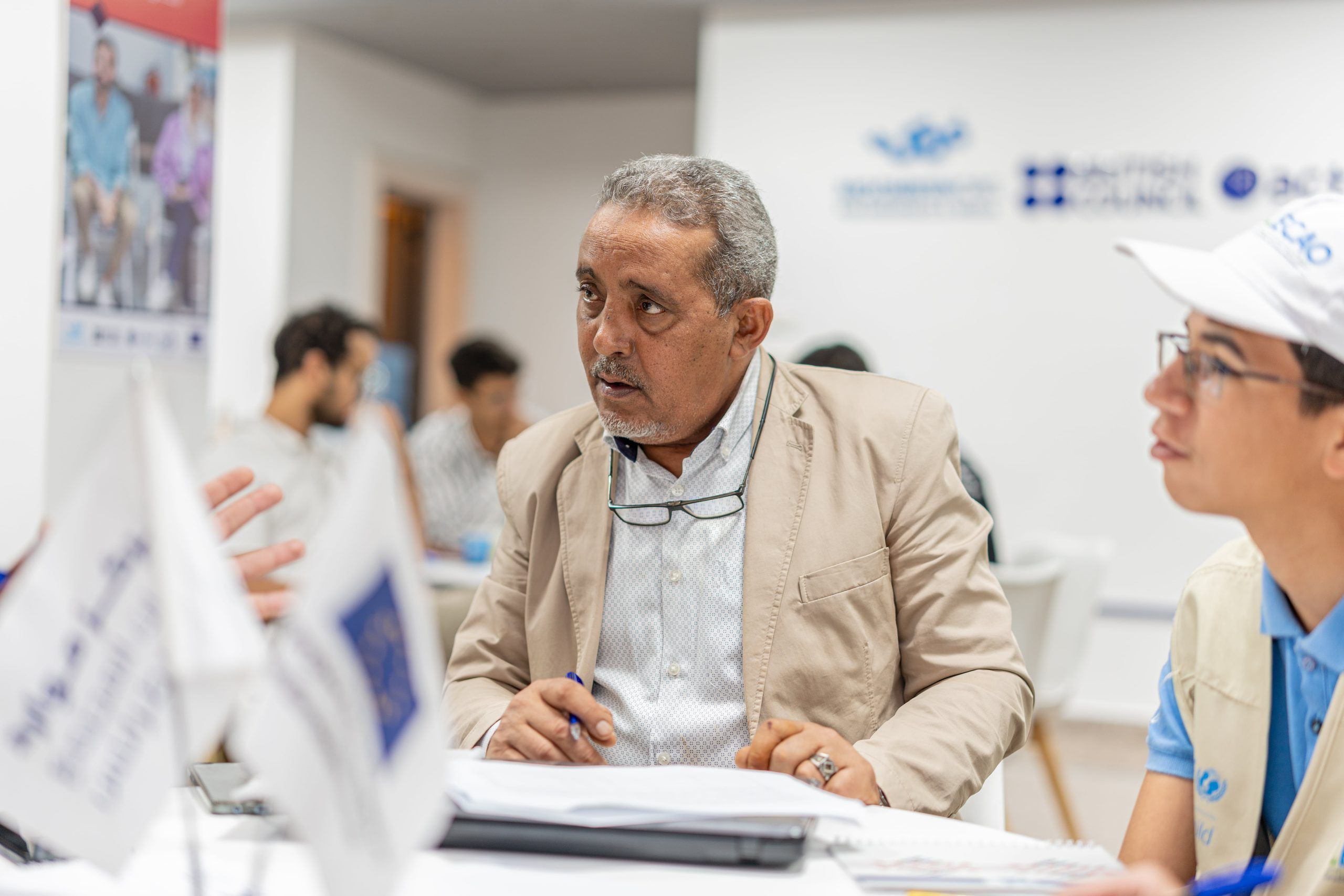
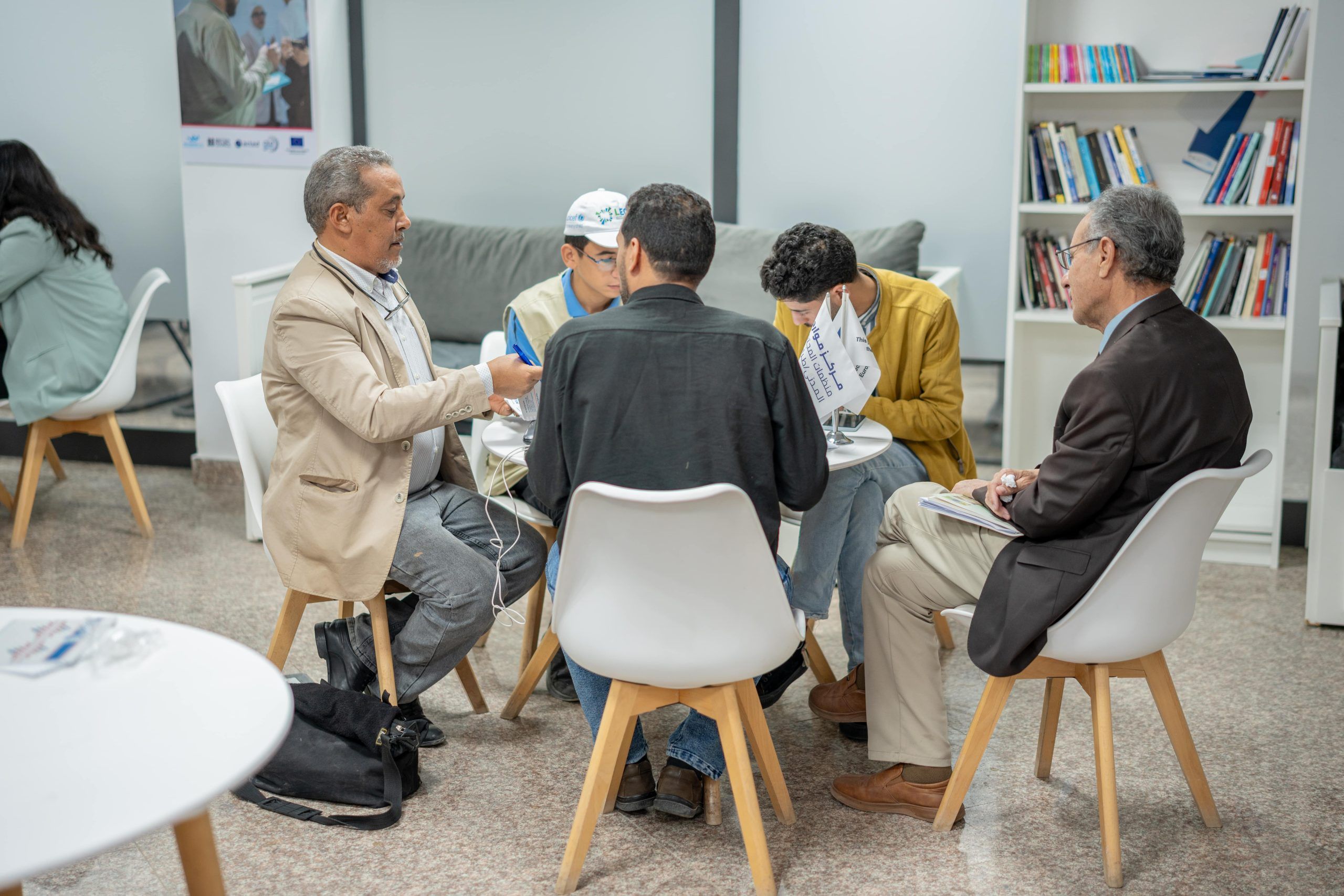
Jusur 2 Project (2024)
A paid collaborative initiative between Moomken Organization, the National Council for Economic and Social Development, and Alrefak University, aiming to link fresh graduates with practical training opportunities that bridge academic knowledge with the needs of employers in fields such as languages, IT, economics, political science, management, media, and engineering. The program lasted three months and included theoretical lessons and practical experience in various companies and institutions, consisting of 23 training days and two months of on-the-job training.
Moomken’s participation in the program reflects its commitment to supporting young professionals and providing them with opportunities for growth. By offering paid training, the program ensures that participants can focus on learning without financial concern. The program’s benefits extend beyond individuals, contributing to the development of a skilled workforce and enhancing diversity and inclusion.
Moomken worked closely with IOM as a funding partner and the NESDB to support in connecting the interns with companies.
Moomken’s engagement in this program stems from its belief that investing in the development of young professionals is vital for their growth and the progress of society. By offering paid internships, the program ensures that participants can fully focus on learning without financial worries. Moomken is committed to supporting young professionals and providing them with opportunities to gain practical experience and connect with experts in their fields.
The importance of the program goes beyond individual benefits, bringing value to society as a whole. By equipping young professionals with necessary skills and experiences, the program enhances their employability and contributes to building a skilled workforce that fosters economic growth and innovation.
Furthermore, the program promotes diversity and inclusion by providing opportunities to individuals from diverse backgrounds. Embracing diversity brings a wide range of perspectives, experiences, and ideas, leading to innovative solutions to community challenges. The program focuses on partnerships with the private sector.
25 trainees were selected out of 85 applicants. The project targeted recent graduates between 2020 and 2023 from the University of Tripoli in fields such as languages, information technology, economics, political science, management, media, and engineering.
The training program lasted three months. The first month was dedicated to theoretical training, while the following two months focused on practical training. During the practical phase, all trainees were distributed across various companies to gain hands-on experience and apply their newly acquired knowledge.
After completing the 23-day training courses, which involved 25 trainees, the participants were employed in various sectors including information technology, financial services, and business development.
The Jusoor Project aimed to bridge the gap between academic education and labor market needs by linking recent graduates with practical training opportunities that embody theoretical knowledge and meet employers’ expectations. This contributes to strengthening their professional readiness, facilitating their integration into the labor market, building effective partnerships between educational institutions and employers, and highlighting the importance of this program in promoting personal and professional growth and making a positive impact on society.
Libya Business Support Organizations (BSO) Capacity Project
This project aimed to strengthen the capacities of Libyan Business Support Organizations (BSOs) and enable them to participate effectively in economic reform discussions in Libya through direct dialogue with decision-makers.
Led by the Center for International Private Enterprise (CIPE), the project focused on creating an independent and influential voice within Libya’s business community. It began with an exploratory phase involving dialogue sessions with promising organizations, followed by a national conference to discuss the roles of BSOs in Libya’s reconstruction efforts.
The initiative went beyond dialogue; it included the exchange of expertise in advocacy and member representation. It is considered a foundational step toward a broader program, contingent on political and security developments in the country.
To strengthen the role of Libyan BSOs and empower them to contribute to economic reforms and national reconstruction efforts through strategic dialogue, knowledge exchange, and effective representation of the private sector’s interests.
- Conducted exploratory meetings with promising local BSOs.
- Organized a national conference to explore BSOs’ roles in Libya’s reconstruction.
- Established direct dialogue channels between BSOs and decision-makers.
- Facilitated knowledge exchange in the areas of advocacy and member representation.
- Held dialogue sessions with BSOs on the future of Libya’s economy.
- Convened a national conference addressing the role of BSOs in reconstruction.
- Delivered training and shared knowledge in advocacy and institutional communication.
- Launched a pilot phase to build an effective partnership model between the private sector and policymakers.
Libya History Magazine
Moomken Organization launched the “Libya History Magazine” as a cultural initiative aimed at raising awareness of Libya’s historical and cultural heritage. The magazine is issued quarterly and features in-depth content developed with the contribution of a select group of experts in history and archaeology.
It includes analytical articles, reviews of books, exhibitions, and cultural events, as well as interviews with historians, academics, and specialists in Libyan heritage.
The magazine is distributed to universities, libraries, and research centers across various Libyan cities, with the goal of bringing knowledge to a wide audience of interested and specialized readers.
- To enhance awareness of Libya’s history and cultural heritage.
- To provide scientifically grounded Arabic-language content about significant historical milestones.
- To encourage academic and youth circles to engage with local cultural heritage.
- Published and distributed several quarterly issues of the magazine.
- Reached a diverse audience within academic and cultural circles.
- Produced comprehensive content including:
- Specialized articles.
- Book and exhibition reviews.
- Interviews with Libyan and international experts.
Media and Communication Strategies Workshop – AICS
To bridge the communication capacity gaps in Libyan municipalities by providing 24 participants, including 16 municipal media officials and 8 ministry staff, with practical tools to improve message planning, audience interaction, and internal coordination. The sessions included training on communication during crises, media planning frameworks, content production using artificial intelligence, and inter-departmental coordination. Participants gained hands-on experience with platforms such as Canva, CapCut, and ChatGPT, with shared access provided after training. The workshop concluded with an action plan and a recognition ceremony, emphasizing the role of communication in inclusive and responsible governance.
- Strategic communication planning
- Media management in crises
- Reaching the audience through social media and integrating artificial intelligence
- Gender-sensitive and inclusive messaging
- Visual and video content production
Moomken Organization took full responsibility for the planning, coordination, and execution of the four-day technical workshop, aimed at enhancing communication capacities for municipalities and government entities. This included conducting pre-assessments, preparing a tailored training curriculum based on the participants’ needs, and facilitating practical sessions that combined theory and real-life applications. The organization also provided logistical support, educational resources, and follow-up tools to ensure the sustainability of the skills acquired.
Social and Behavior Change Strategy to Address Violence Against Children (VaC) and End Harmful Practices in Libya
As part of a research partnership with the United Nations Children’s Fund (UNICEF), Moomken Organization launched a project aimed at understanding manifestations of violence against children in Libya, with a focus on harmful practices such as early marriage and social customs that negatively affect children especially among vulnerable groups like migrants, internally displaced persons, and children with disabilities.
The project was based on a qualitative research methodology combining in-depth interviews and focus group discussions to develop an evidence-based Social and Behavioural Change (SBC) strategy that seeks to challenge and transform harmful entrenched practices.
- To analyse the impact of violence and harmful practices on children in Libya.
- To develop an evidence-based strategy that addresses the cultural and social drivers of violence.
- To contribute to creating a safer and more just environment for children across the country.
- Conducted 36 Focus Group Discussions (FGDs) with various community segments.
- Held 19 In-Depth Interviews (IDIs) to obtain qualitative and personal insights.
- Trained the data collection team on interview skills and documentation to ensure result quality.
- Produced practical recommendations to support child-focused awareness and advocacy efforts.
Strengthening Civic Society Organizations in Libya
To strengthen the capacities of civil society organizations in Libya by raising participants’ awareness and enabling them to engage effectively within their institutions, contributing to a more cohesive and impactful civic environment across the country.
- Two intensive training courses, including in-person and online sessions.
- Design of a Training of Trainers (TOT) program aimed at enabling individuals within organizations to transfer knowledge and expertise to their teams.
- Targeted participants from various Libyan cities: Tripoli, Sabha, Tawergha, Qatrun, Derna, Benghazi, Bani Walid, Jufra, Sabratha, Ghadames, Gharyan, Misrata, Wadi Al-Bawanis, and Taraghin.
- Trained 33 participants (21 males, 12 females), ensuring a balanced gender representation, despite the original target being 50 participants.
- Tangible capacity building for participants, which enhanced the effectiveness of their organizations.
- Contributed to improving the institutional environment within participating civil society organizations and supported them in performing their civic roles more effectively.
Strengthening Engagement of Local Civil Society
This project aimed to enhance the capacities of civil society organizations (CSOs) across Libya to enable more effective participation in the democratic process and to support human rights and democracy-focused initiatives nationwide.
To strengthen Libyan CSOs by building their institutional capacities, raising awareness, and empowering them to take active roles in promoting democracy and human rights at the local and national levels.
- Produced a clear picture of the civil society landscape through detailed mapping and assessment.
- Trained and empowered a number of local CSOs with advanced knowledge and practical tools.
- Supported the implementation of community-based activities promoting human rights and democratic participation in various Libyan regions.
- Conducted a comprehensive mapping exercise of CSOs in Libya to assess strengths and challenges in various regions.
- Designed and implemented a Training of Trainers (TOT) program that included educational videos, toolkits, and in-person workshops led by Libyan experts using updated training materials.
- Enabled local CSOs to design and carry out grassroots initiatives focused on human rights and democratic engagement.
Support to Municipalities in Libya – Phases I and II
The project “Support to Municipalities in Libya – Phase II” is a joint initiative between the German Ministry of Cooperation and the European Trust Fund, in partnership with the Libyan Ministry of Local Governance, the General Secretariat of the Supreme Council for Local Administration, and the Center for Decentralization and Local Development Support.
The project covered 30 Libyan municipalities and aimed to enhance local governance and support decentralization efforts by creating a more inclusive and stable social and economic environment.
Moomken Organization, in partnership with GIZ and Edmaj Organization, played a pivotal role in monitoring and evaluation. It provided objective and accurate data to stakeholders and the steering committee, enabling a comprehensive assessment of the project’s performance.
To support the decentralization process and improve local governance performance in 30 Libyan municipalities, in pursuit of a more inclusive and stable local environment.
- Conducted 37 interviews (both remote and in-person) across three regions in Libya despite mobility challenges.
- Provided evidence to assess the efficiency of the project and its contribution to local governance and decentralization reforms.
- Delivered practical recommendations to improve the sustainability of the project's results and guide Phase III of the program.
- Conducting field and remote evaluation interviews in various regions.
- Supporting partners and the steering committee in monitoring and evaluation.
- Documenting lessons learned and proposing future development pathways for the program.
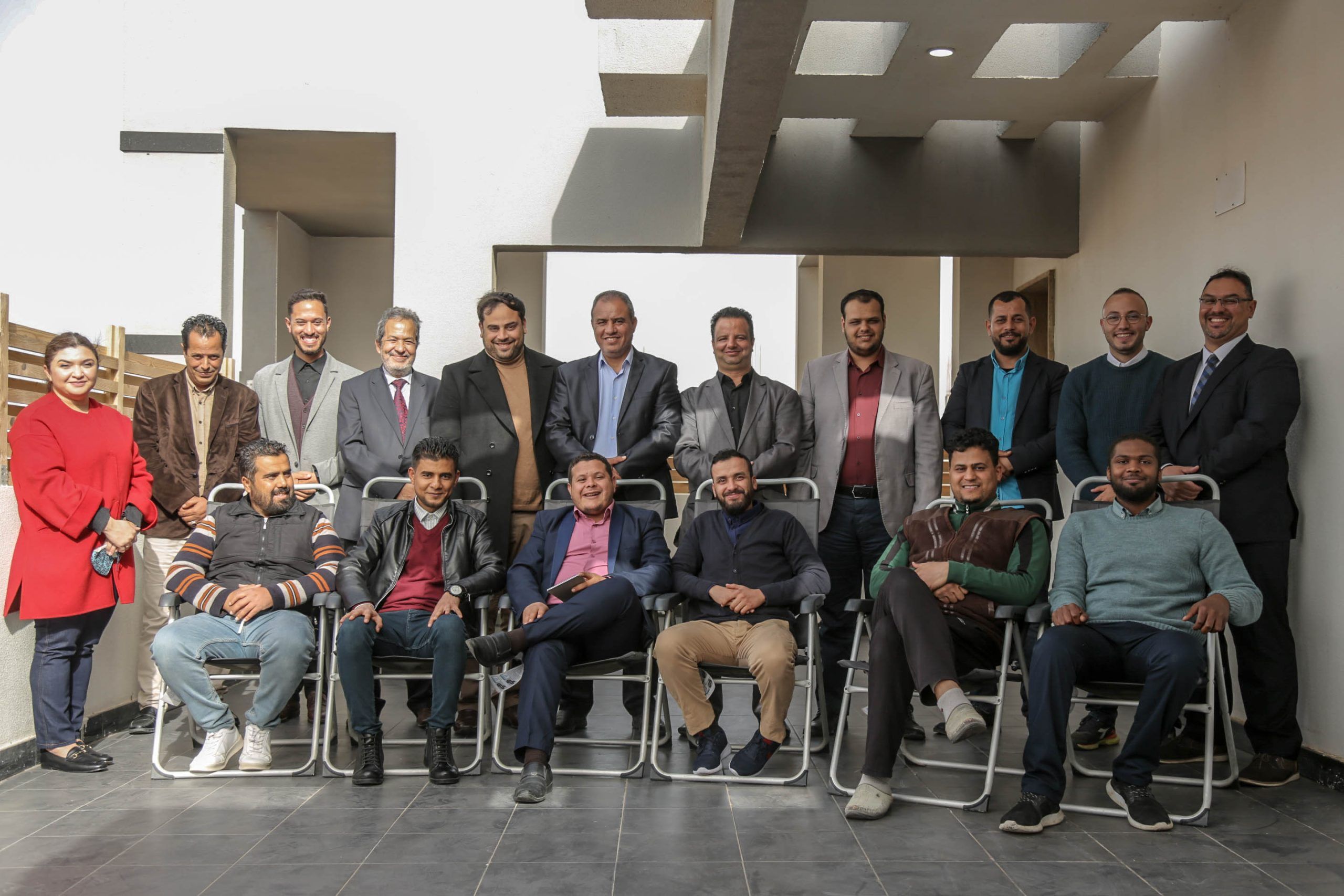
Administrative Communication Committees (ACC)
Overview
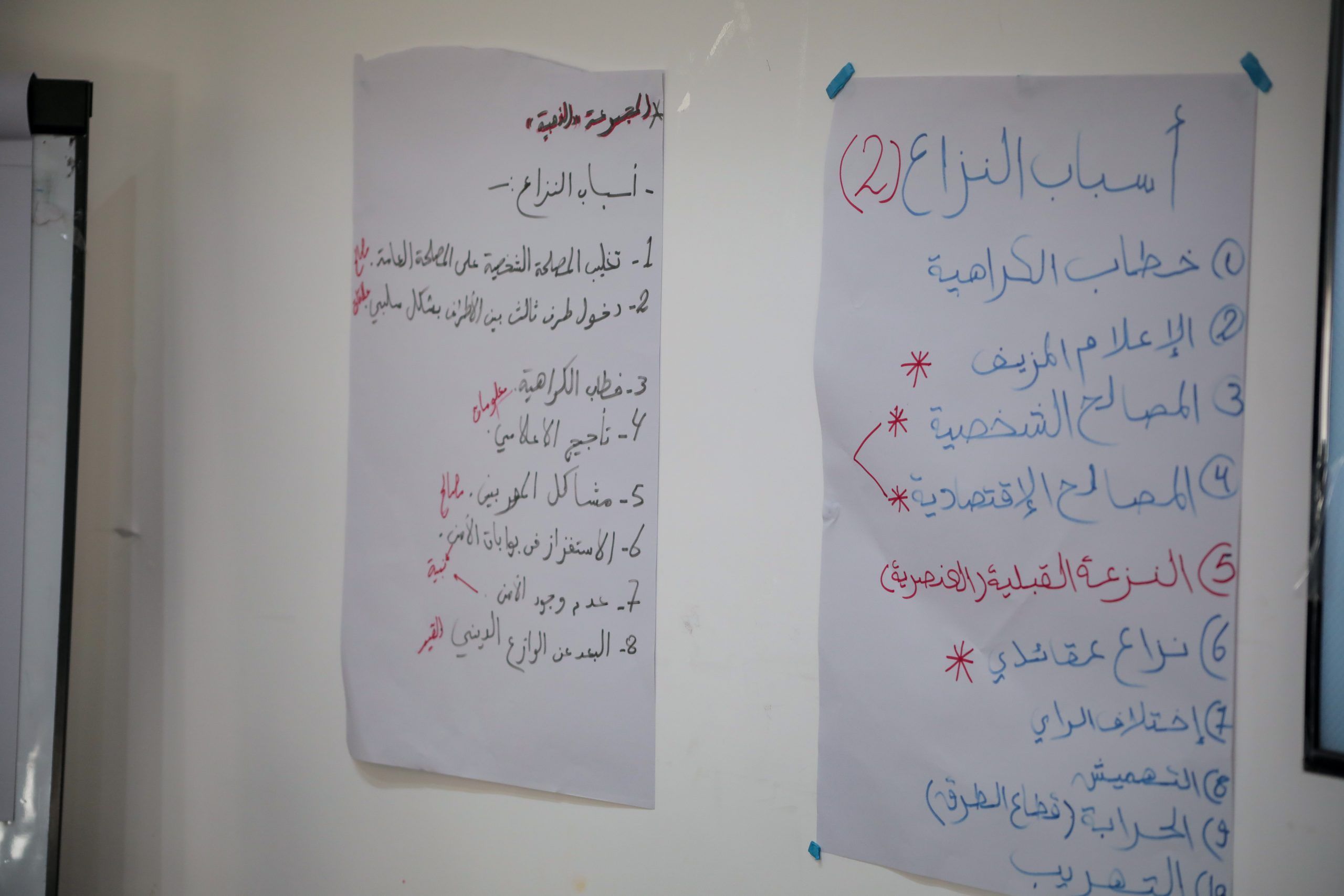
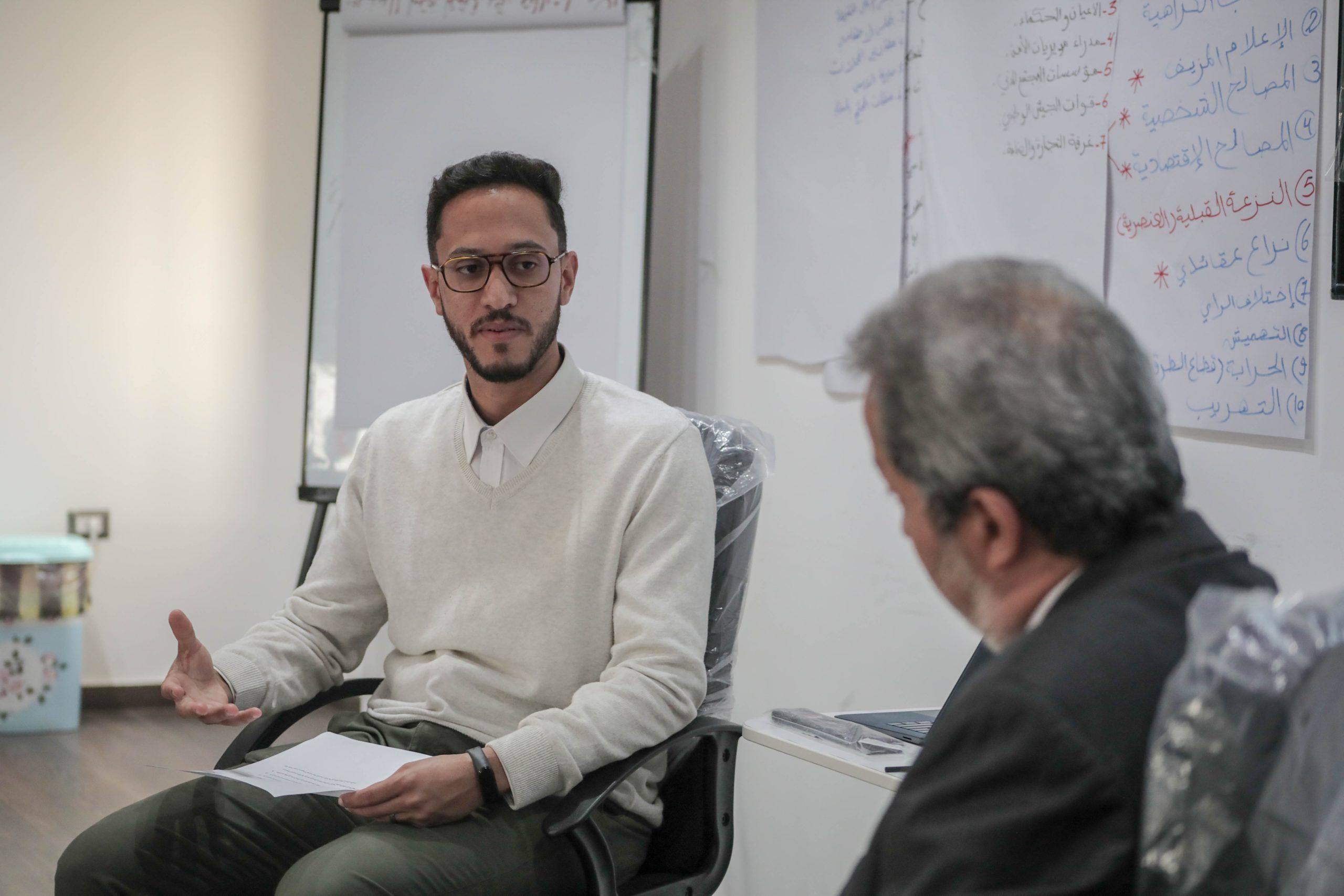
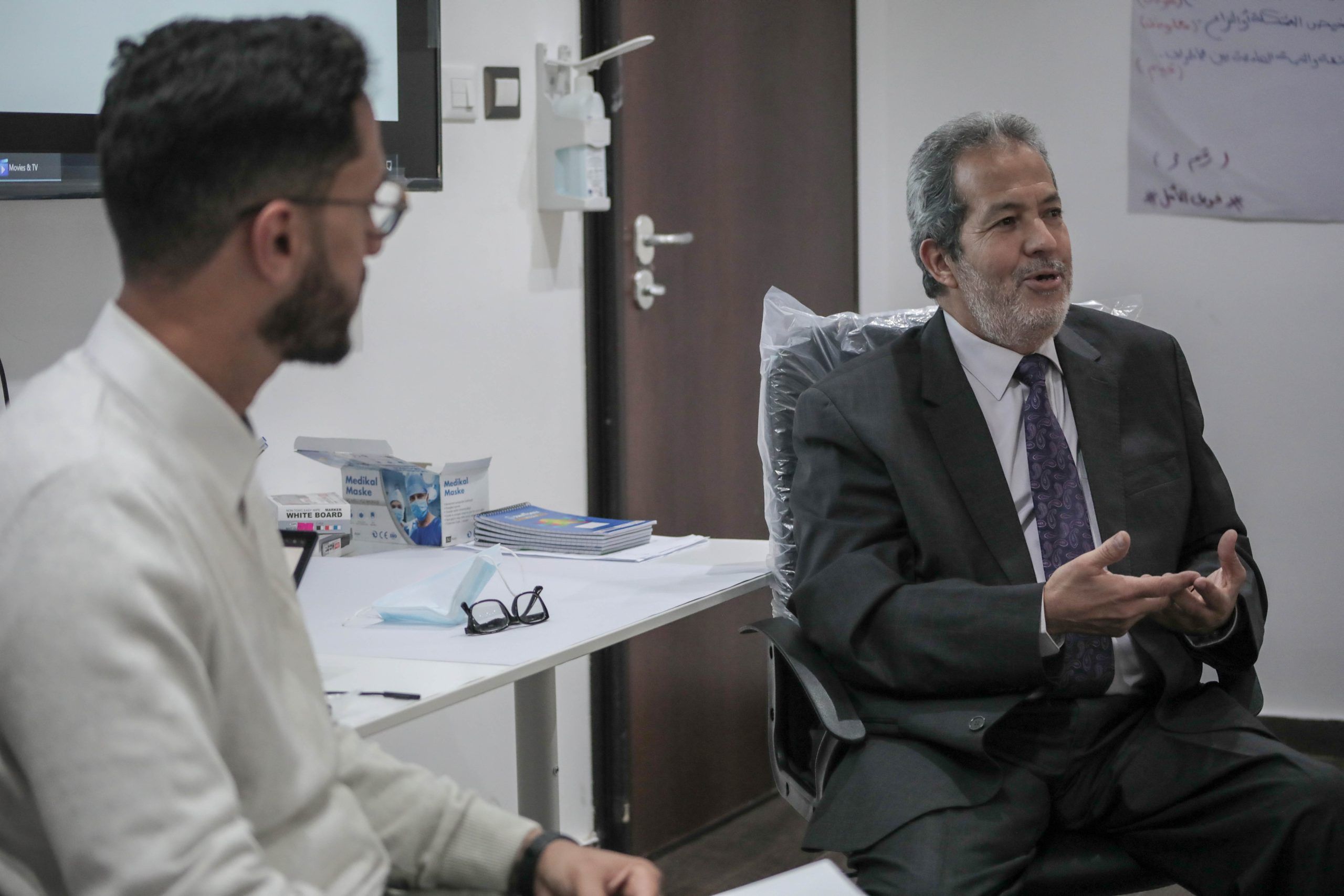
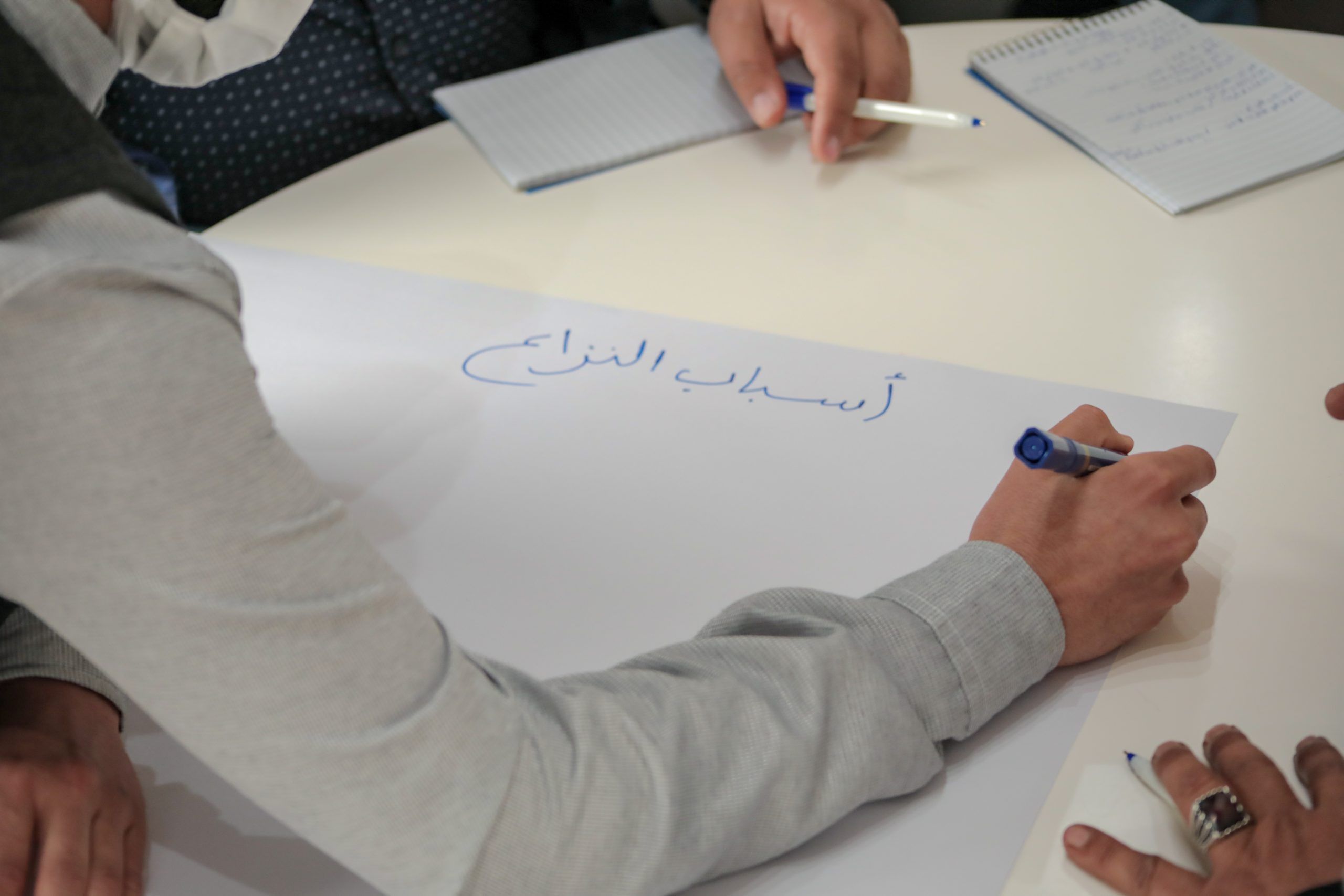
During this year, Moomken Organization supported the establishment and activation of two administrative communication committees between municipalities:
- The West Coast Municipalities Committee (including Al-Jumail, Al-Jadida, Al-Ajaylat, Riqdalin, Zuwara, Zaltan)
- The Nalut and Batin Al-Jabal Committee (including representatives from municipal councils, civil society activists, and local actors from each municipality)
These committees serve as effective cooperation mechanisms between neighboring municipalities to address shared regional issues through constructive dialogue and inclusive participation. They played a vital role in promoting regional stability and enhancing community peace.
- Organized inter-municipal dialogue sessions to foster mutual understanding.
- Delivered specialized training to committee members in administrative and technical skills.
- Developed and drafted project proposals and technical periodic reports.
- Enhanced data documentation processes and information sharing to support joint collaboration efforts.
Objective:
To strengthen the ability of municipal committees to collaboratively solve problems, support regional stability, and promote community peace through dialogue and information exchange among municipalities.
Key Results:
- Established effective communication platforms among the involved municipalities.
- Developed clear and shared operational mechanisms among stakeholders.
- Drafted and signed a communication agreement document by the municipal councils to affirm commitment.
- Built member capacities in: advocacy, public relations, peacebuilding, conflict transformation, and scenario planning.
- Enhanced member skills in: proposal writing, technical and periodic reporting, and data entry and documentation.
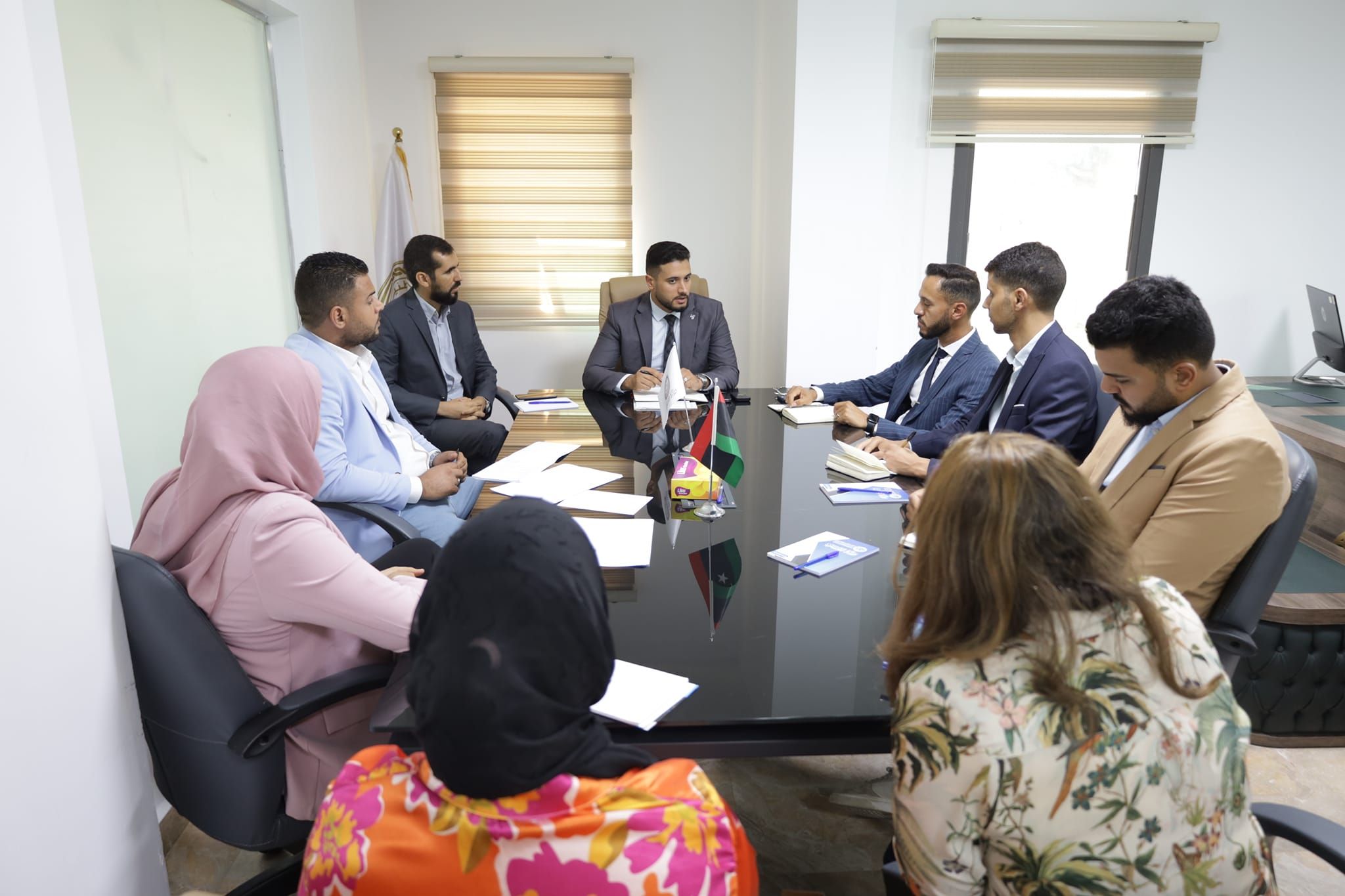
Libyan Youth Charter Project
Overview
The Libyan Youth Charter Project aims to develop a national document that reflects the aspirations and voices of Libyan youth from across the country.
The project was launched following the official approval of the “Youth Leading Peace” initiative by the Minister of Youth, leading to the formation of a committee composed of eight members representing:
- The Ministry of Youth
- Moomken Organization
- The Student Center
This committee was tasked with preparing and drafting the Libyan Youth Charter through participatory and interactive dialogues with youth.
- Conducted dialogue and listening sessions with youth in various Libyan cities.
- Reviewed and incorporated participant feedback into the development of the final draft.
- Monitored the work of the drafting committee and addressed organizational and communication challenges.
- Planned to expand outreach to include youth centers and universities.
Objective:
To develop a national charter for Libyan youth that genuinely expresses their visions, aspirations, and challenges, through an inclusive process that fosters community dialogue and reflects Libya’s diverse contexts.
Key Results:
- Organized nine dialogue sessions across multiple Libyan cities.
- Provided interactive platforms for youth to express their opinions on the draft charter.
- Expanded youth engagement to include a broader base of university students.
- Identified communication challenges within the drafting committee that impacted project progress and were acknowledged as a major obstacle.
Promoting Youth for Peaceful Development
Overview
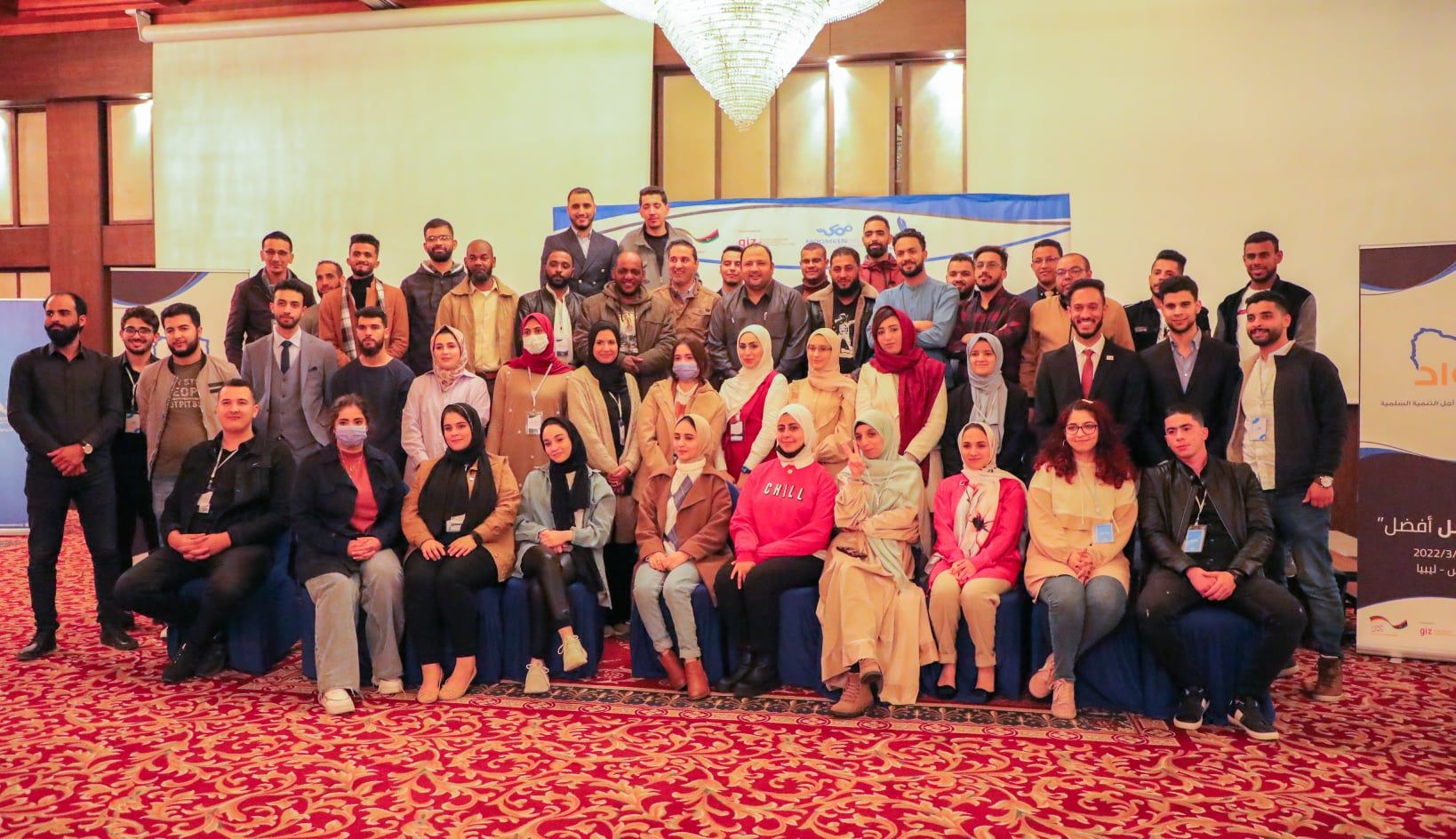
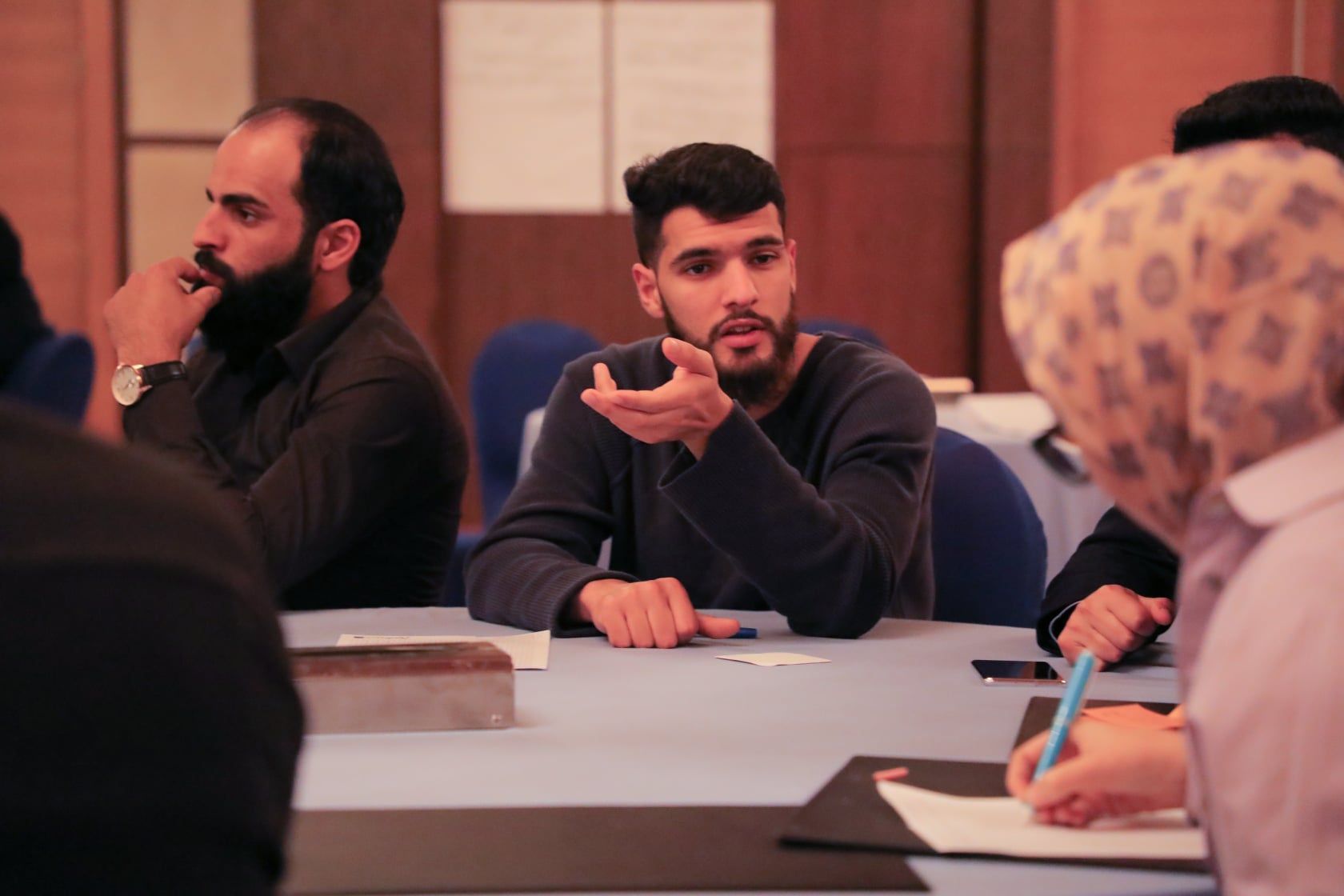
This project aimed to strengthen the political and social engagement of youth by building their capacities and training them on conflict analysis concepts, enabling them to play active roles in peacebuilding within their communities.
A total of 75 young men and women were trained on conflict analysis concepts, and small grants were awarded to outstanding participants to implement community activities and initiatives in this context.
Moomken played a key supervisory role in this project by monitoring the implementation carried out by the implementing partner, evaluating the quality of the provided training, and analyzing the relevance of the activities conducted by the selected trainees.
Objective:
To enhance youth participation in political and social life by equipping them with the knowledge and tools necessary for understanding and analyzing conflicts, and motivating them to initiate community-based actions.
Key Results:
- Trained 75 participants (male and female) on conflict analysis concepts.
- Provided small grants to outstanding participants to implement political and social engagement activities.
- Comprehensive supervision by Moomken Organization on the quality of training, implementation, and activities.
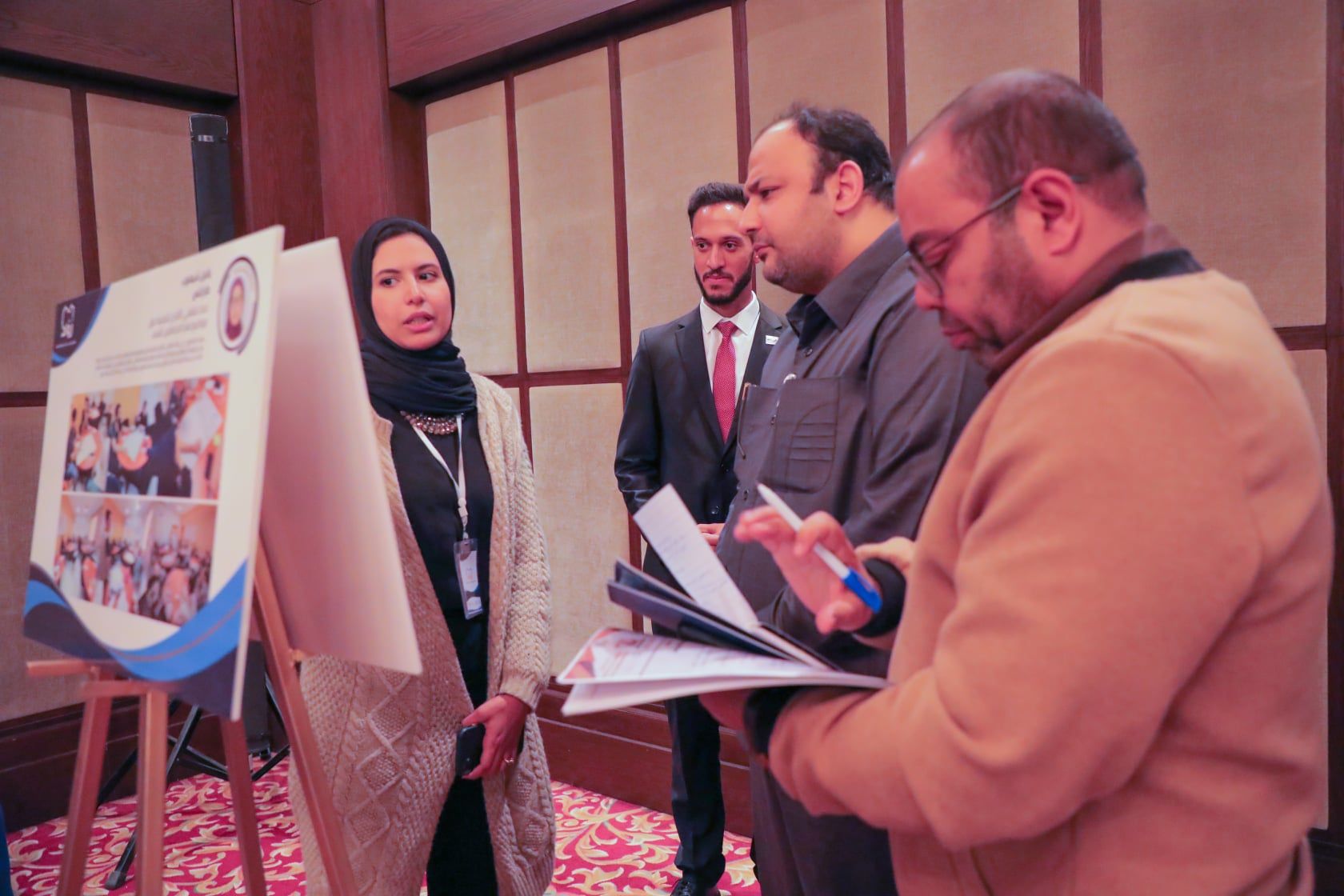
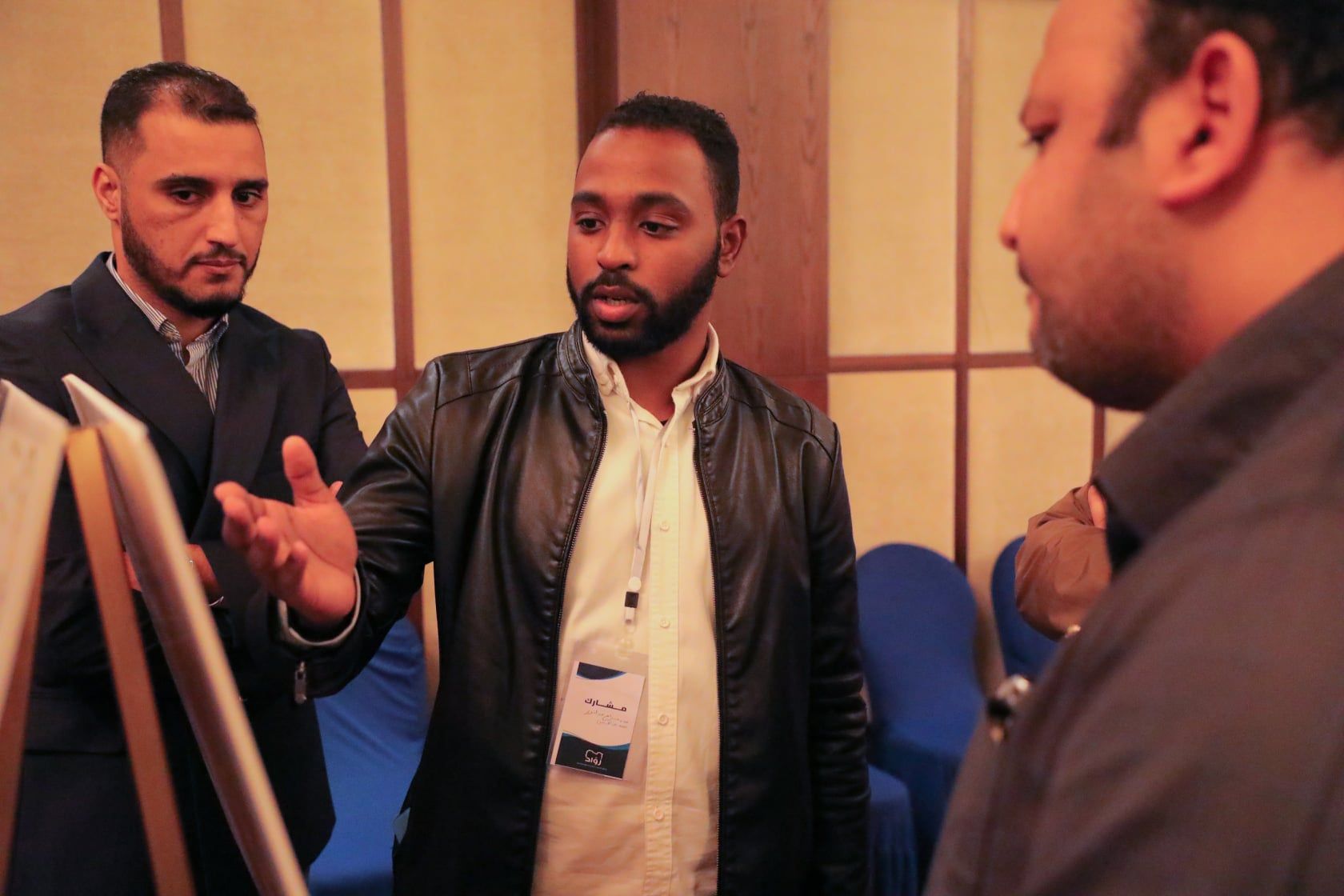
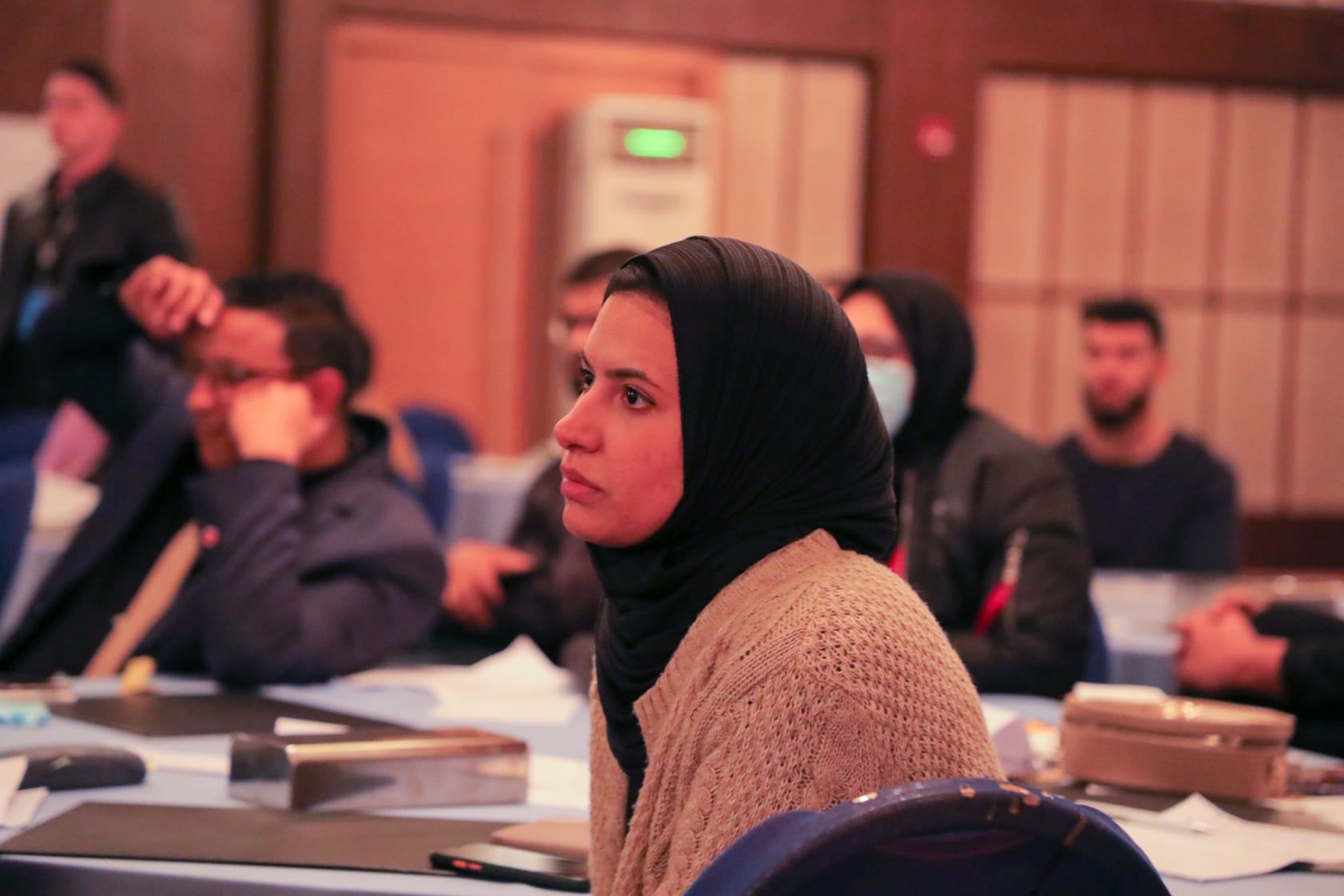
Jahez
Jahez Project | Strengthening the Inclusive and Socio-Economic Participation of Youth in Selected Communities in Libya
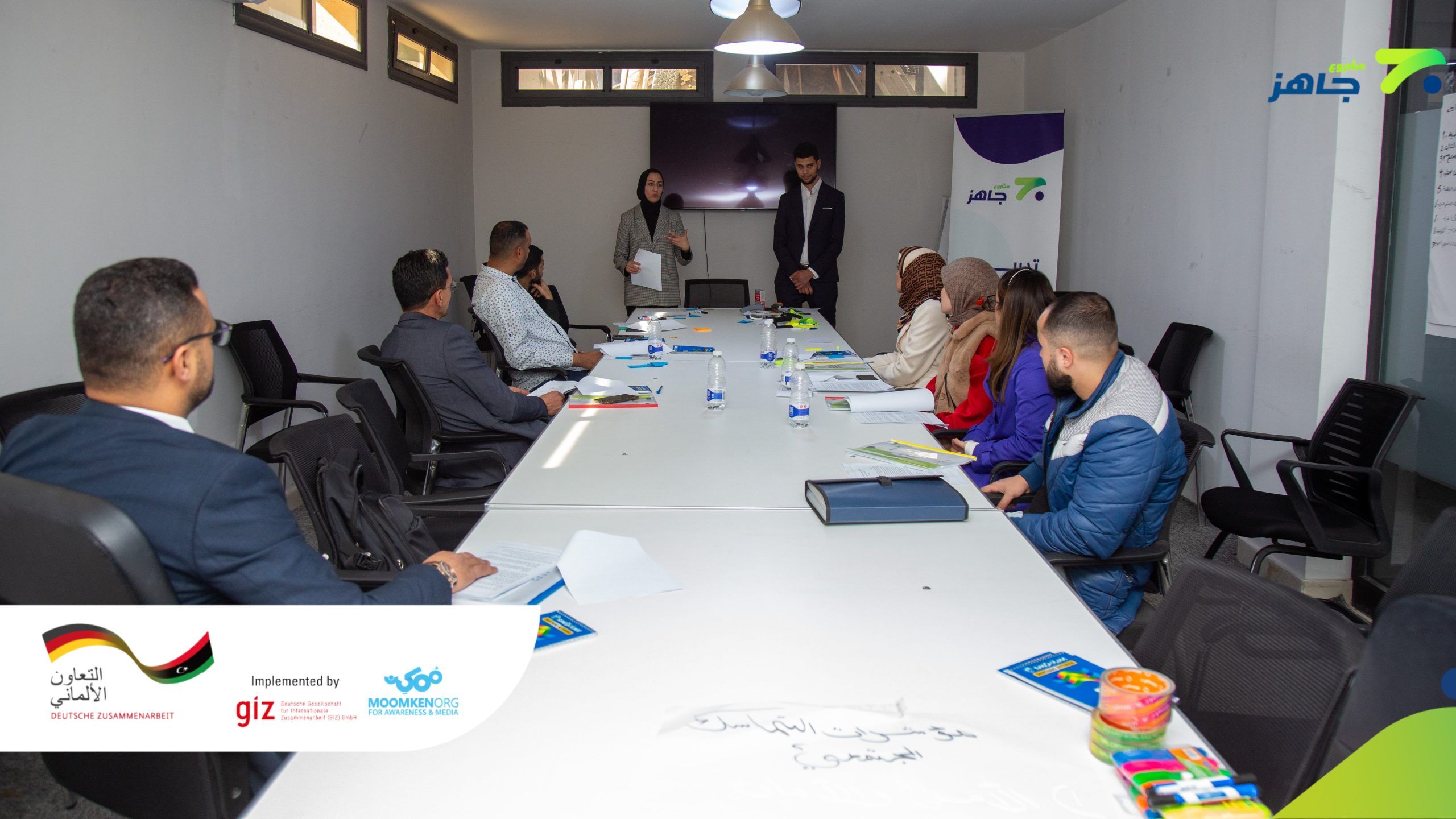
The Jahez Project (meaning "Ready" in English) is all about empowering young people across Libya by creating opportunities for them to actively participate in shaping their communities and improving their economic prospects. Funded by the German Federal Ministry for Economic Cooperation and Development (BMZ) and implemented by GIZ in collaboration with the Moomken Organization for Awareness and Media and the Libyan Ministry of Youth, the project focuses on building stronger, more inclusive communities through youth centers spread across the country.
Our Mission: Empowering Libyan Youth
At its core, Jahez is designed to create a supportive environment where young people can grow, develop new skills, and gain the tools they need to succeed. Through youth centers in various cities, the project offers hands-on training, resources, and opportunities that help build skills in areas like inclusion, empowerment, and economic development. This isn’t just about education — it’s about real change. By investing in these young people, Jahez is opening doors to better job opportunities and a brighter future, both for them and their communities.
Key Initiatives and Training Programs
Online Courses for Capacity Building
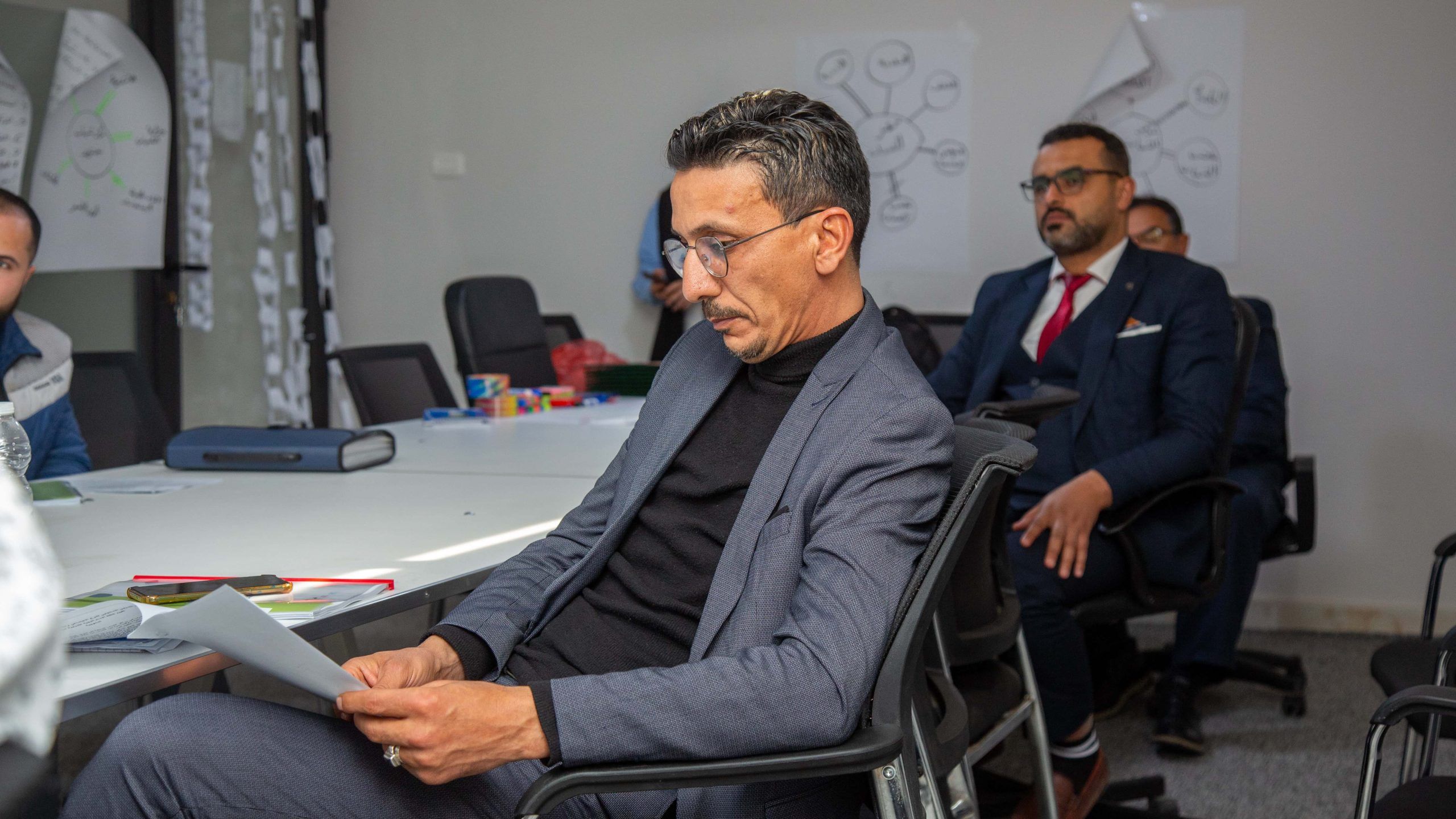
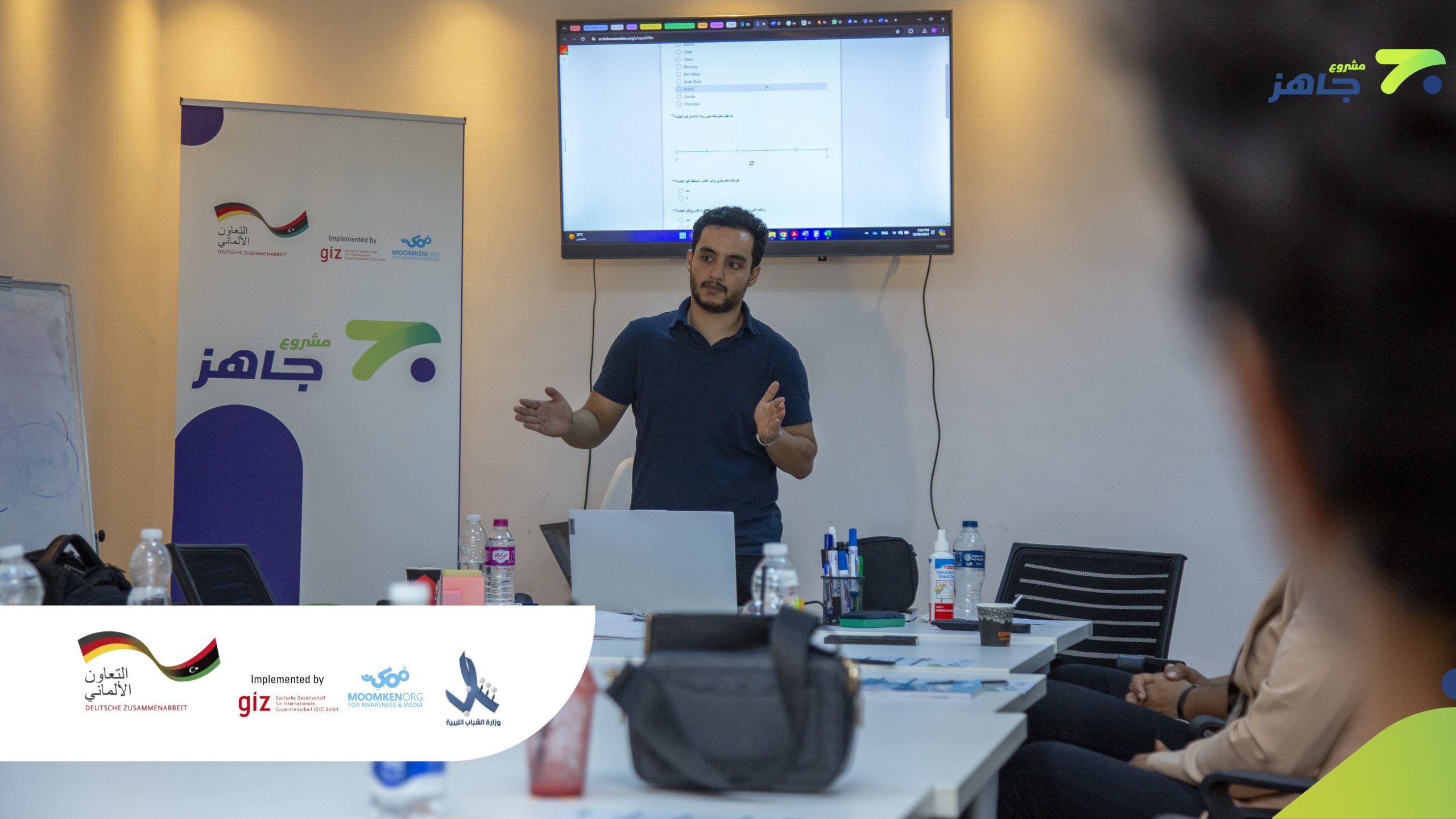
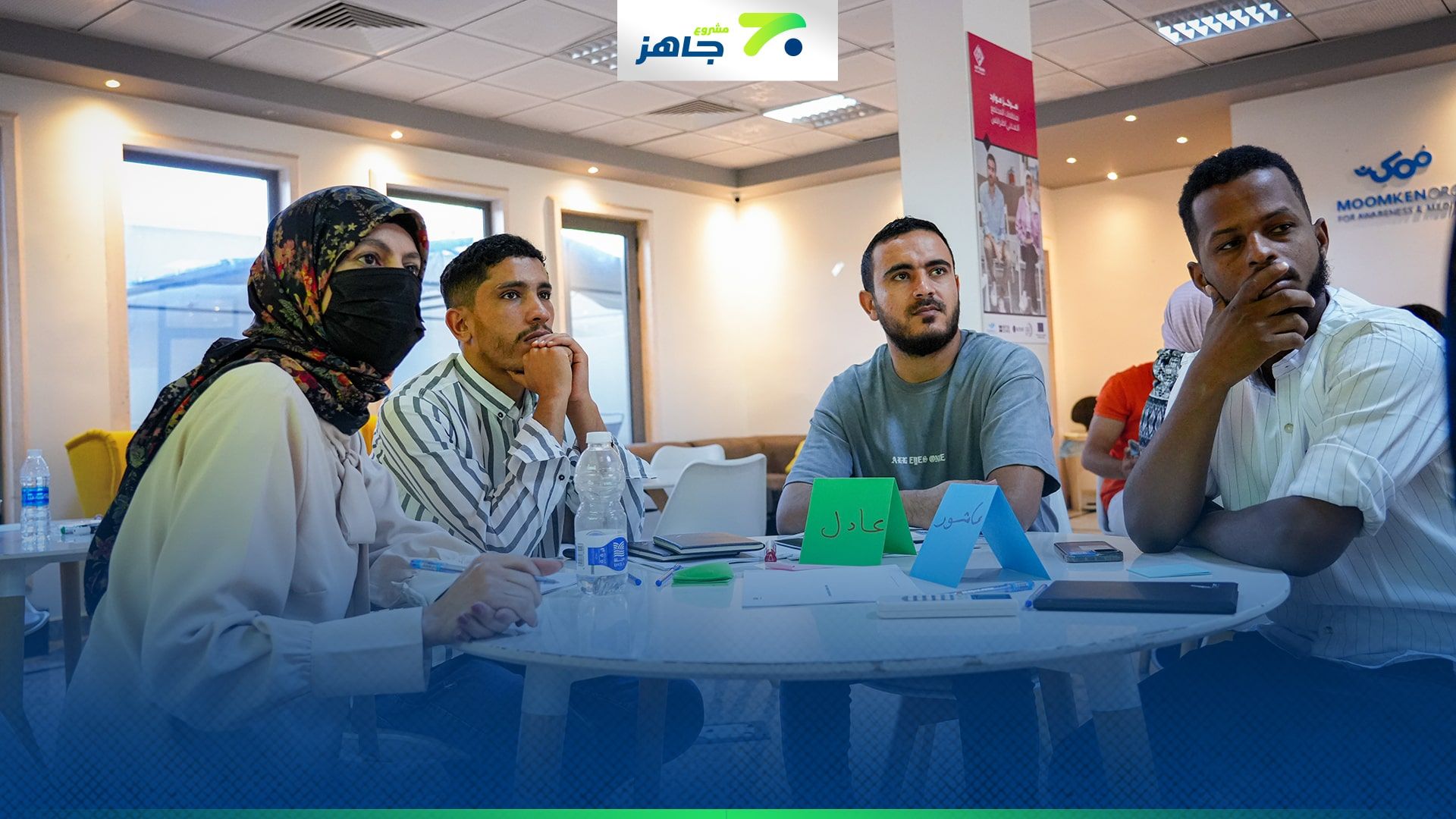
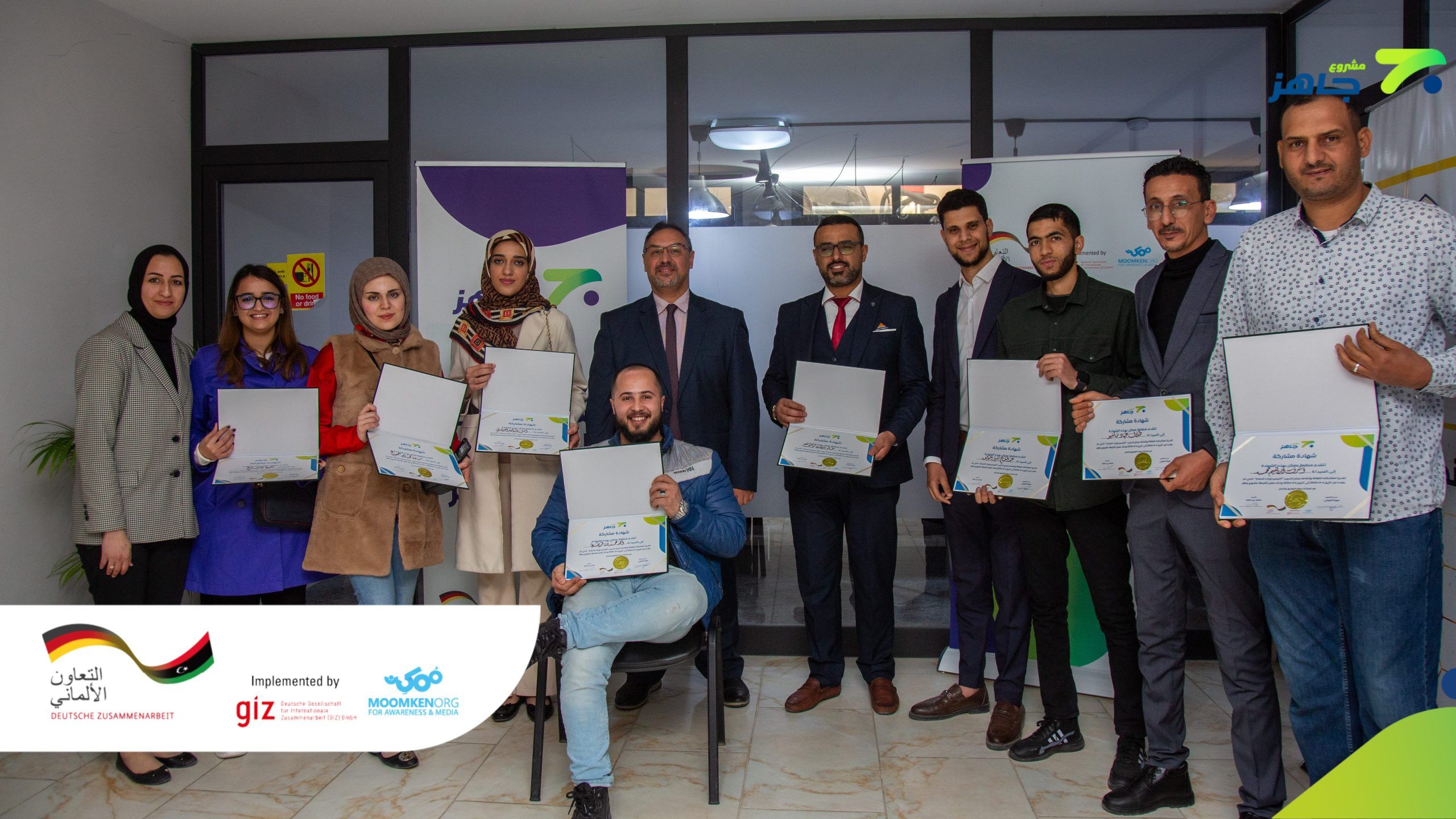
Following field visits to youth centers, we realized that there was a need for more accessible training resources. That’s why Moomken developed online courses, available on Mocs.ly, specifically designed to help young people get better at planning and managing projects. These courses help youth center members take charge of activities within their centers and make a meaningful impact in their local areas.
- Needs Assessment Training: This course helps participants understand how to gather and analyze information to make smarter decisions that benefit their communities.
- Project Management Training: Here, youth are introduced to leadership skills, teamwork, and goal setting, while learning how to create sustainable and impactful youth-driven projects. The course materials were thoughtfully put together by Moomken’s media team and led by project management expert Dr. Mahmoud Abusaloom .
Training of Trainers (TOT) Programs
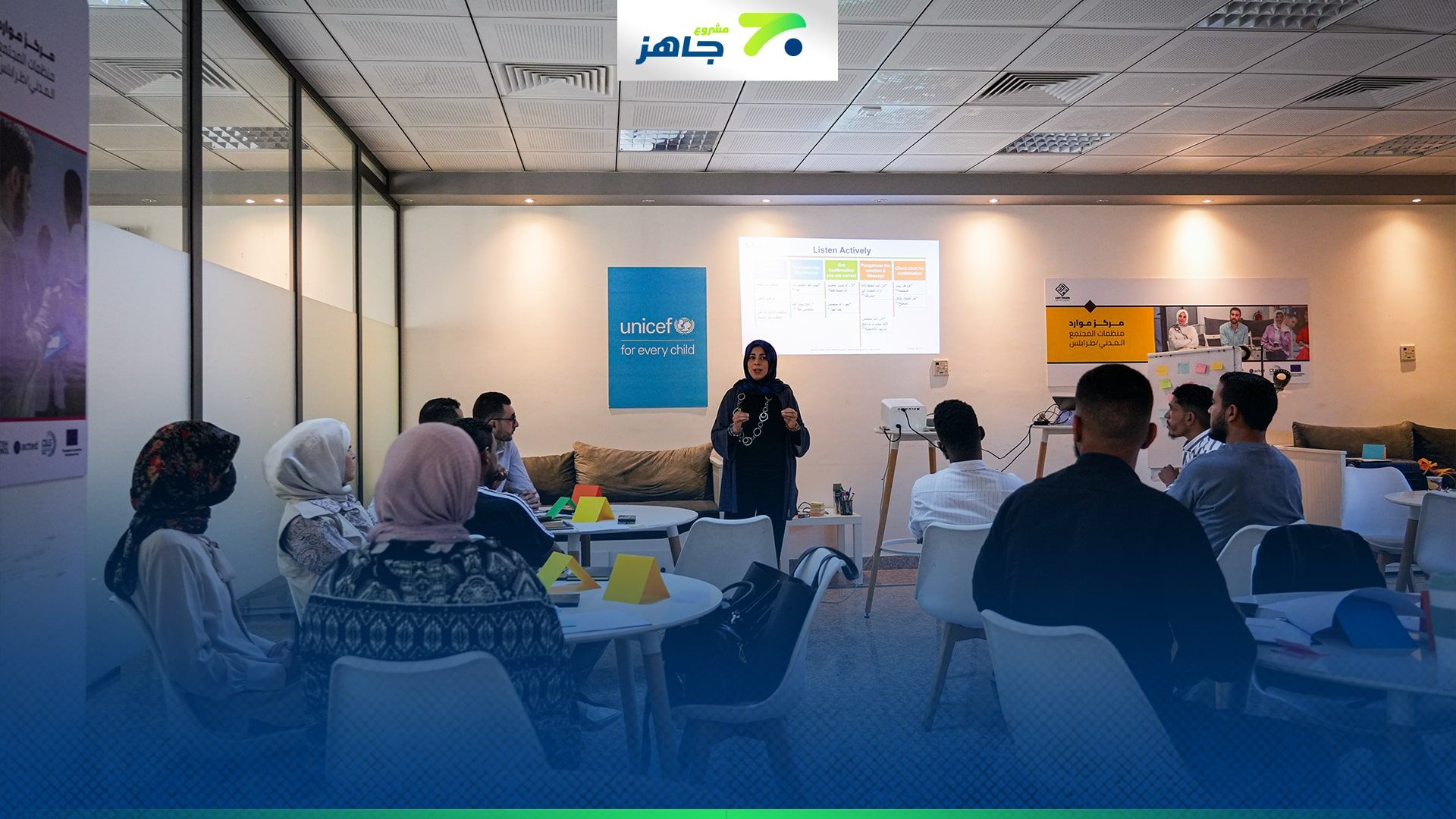
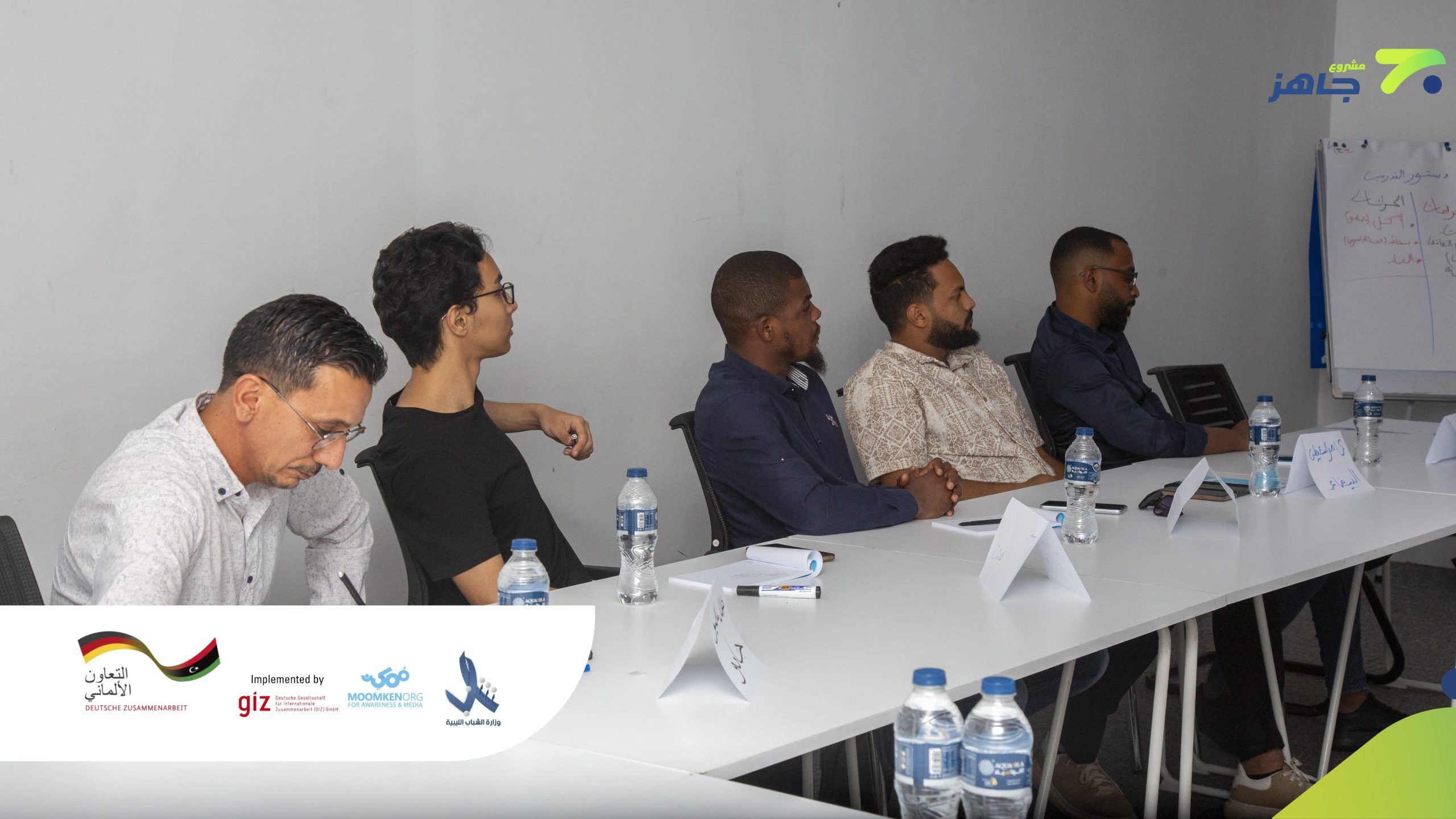
Through our Training of Trainers (TOT) programs, we’re helping youth center members become leaders in their communities. In collaboration with GIZ , we’ve hosted a series of TOT sessions to build deeper expertise in key areas:
- Peacebuilding and Facilitation: This training equips participants with tools to manage conflict, lead focus groups, and promote peace in their communities.
- Project Management: This session, attended by 12 youth center members from across Libya, builds on their knowledge of how to manage projects effectively.
- Career Guidance: In our final TOT program, participants were given the skills to help others in their communities with career planning and personal development.
After each TOT, participants are encouraged to share what they’ve learned by hosting their own workshops, passing on their knowledge to others, and expanding the reach of these important lessons.
Strengthening Communities Together
The Jahez Project is more than just training— it’s about building a foundation for long-term success. By helping youth center members develop their skills and create real, community-focused projects, we’re working to build sustainable change. In addition to training, participants have been encouraged to submit proposals that offer fresh ideas for peacebuilding and community development. These proposals are reviewed by peers and community members, ensuring that they are rooted in the real needs of the local community.

Sawab
Sawab Project
In the rapidly advancing era of information technology and communication, news and data flow at an overwhelming speed, creating significant challenges in verifying their accuracy and credibility. Like many communities worldwide, Libyan society faces this challenge acutely due to the increasing spread of misinformation and fake news. To address this urgent need, the Sawab project was established as an effective response aimed at enhancing media literacy and empowering individuals to responsibly and critically handle information.
Background
The Sawab project was founded in response to the growing challenges faced by Libyan communities in the digital information age. The project aims to equip citizens with the tools and knowledge necessary to distinguish between accurate and misleading information through a variety of educational programs and initiatives. These include educational workshops, digital awareness campaigns, and interactive platforms that facilitate discussion and experience exchange. At the heart of the Sawab project lies a deep commitment to enhancing media literacy and combating misinformation in Libya.
Scope
The Sawab project covers a wide range of activities and initiatives designed to promote media literacy in Libya. These activities include:
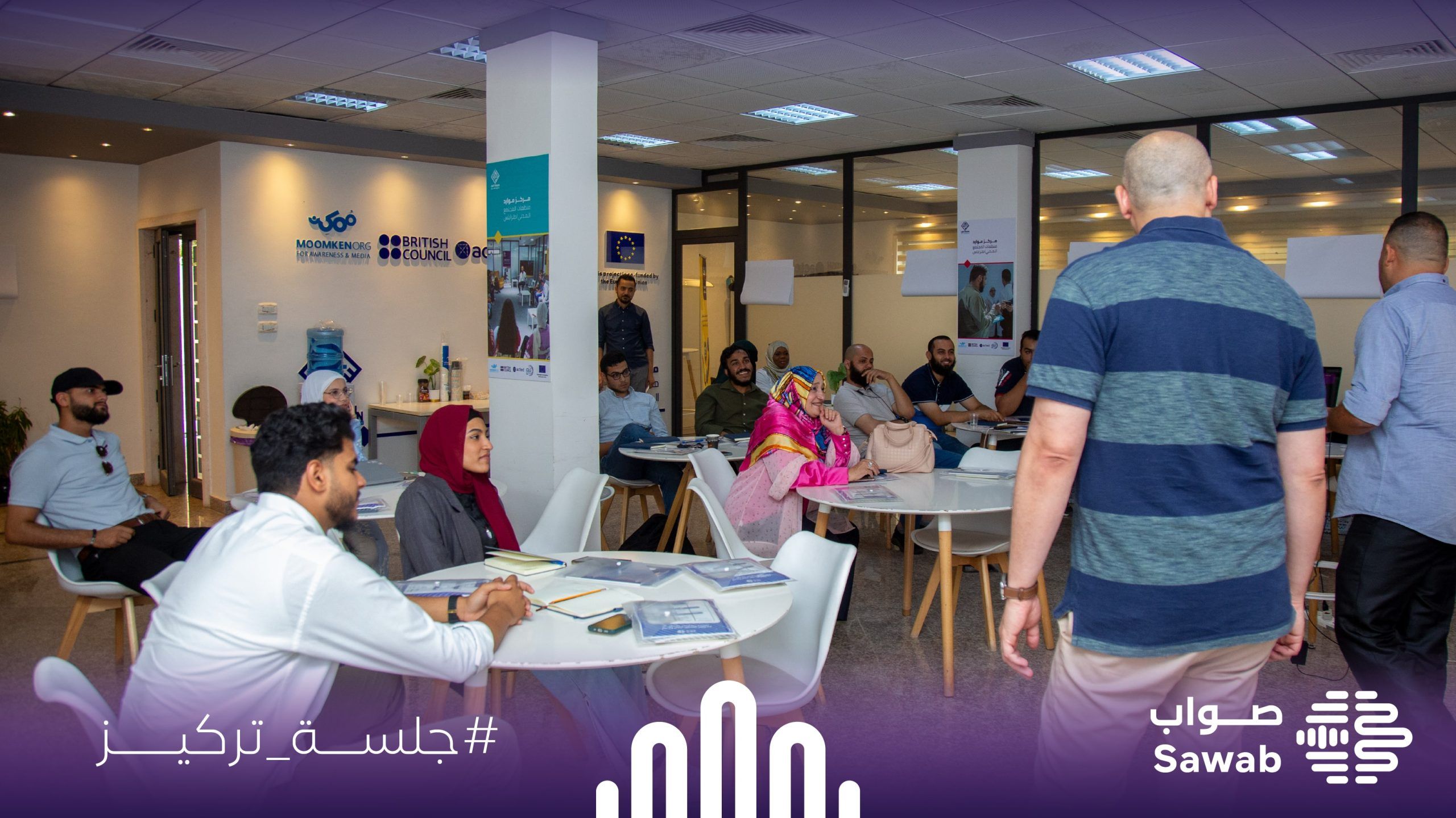
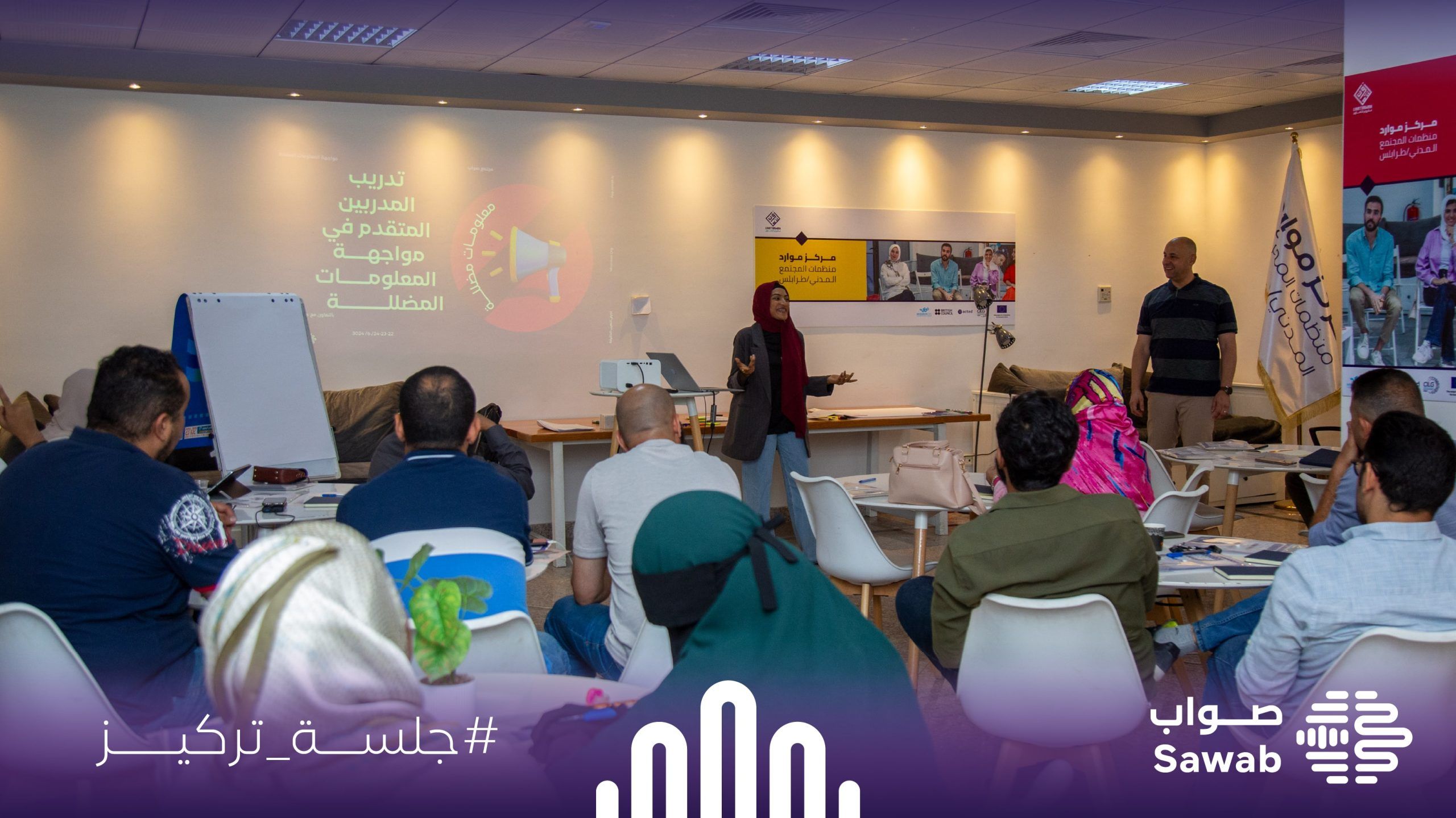
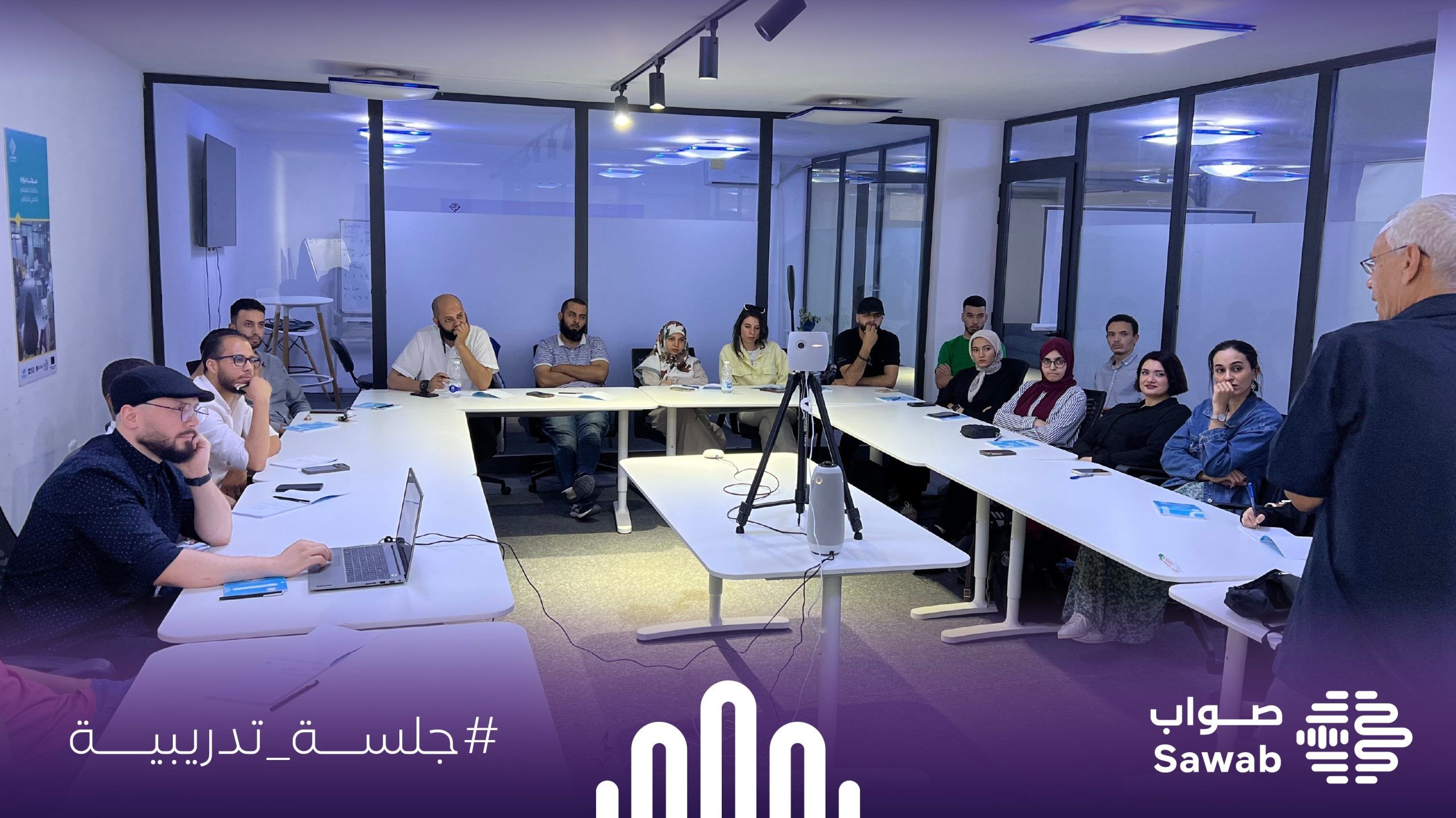
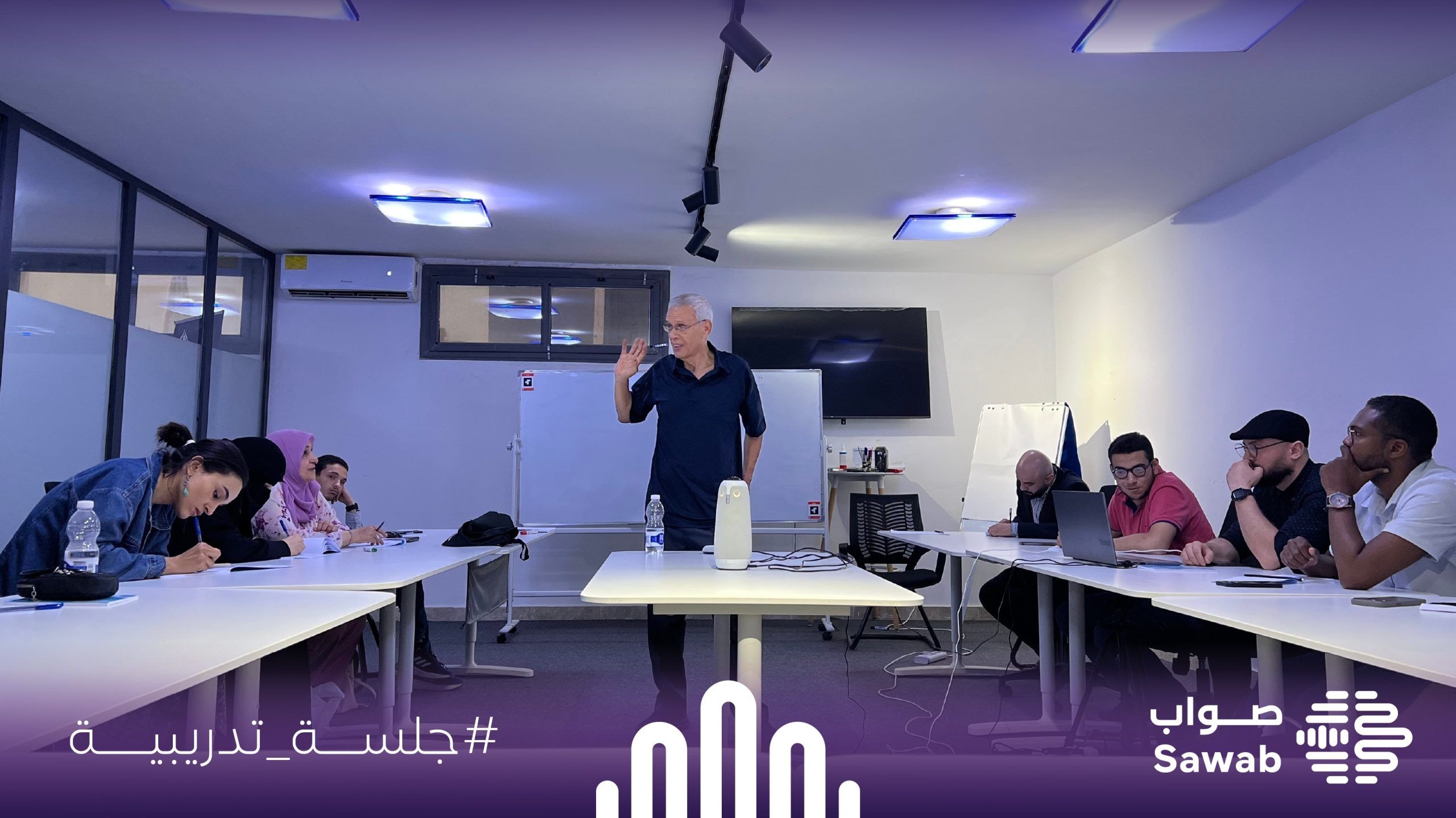
- Educational Workshops: Providing Training of Trainers (TOT) courses and workshops that aim to prepare NGOs to become trainers themselves. These workshops are designed to teach individuals how to critically evaluate information and are intended to spread awareness on a national level by enabling NGOs to conduct their own workshops across Libya.
- Awareness Campaigns: Launching campaigns on social media and digital platforms to raise awareness about the dangers of misinformation and the importance of source verification.
- Interactive Platforms: Developing interactive platforms that allow individuals to engage in discussions and share experiences on how to handle news and information.
- Media Skills Enhancement: Offering resources and tools to help individuals develop their skills in fact-checking and information analysis.
Through these activities, the Sawab project aims to create a more informed and responsible media environment capable of addressing misinformation and fostering constructive dialogue in Libyan society.
Sawab in Statistics
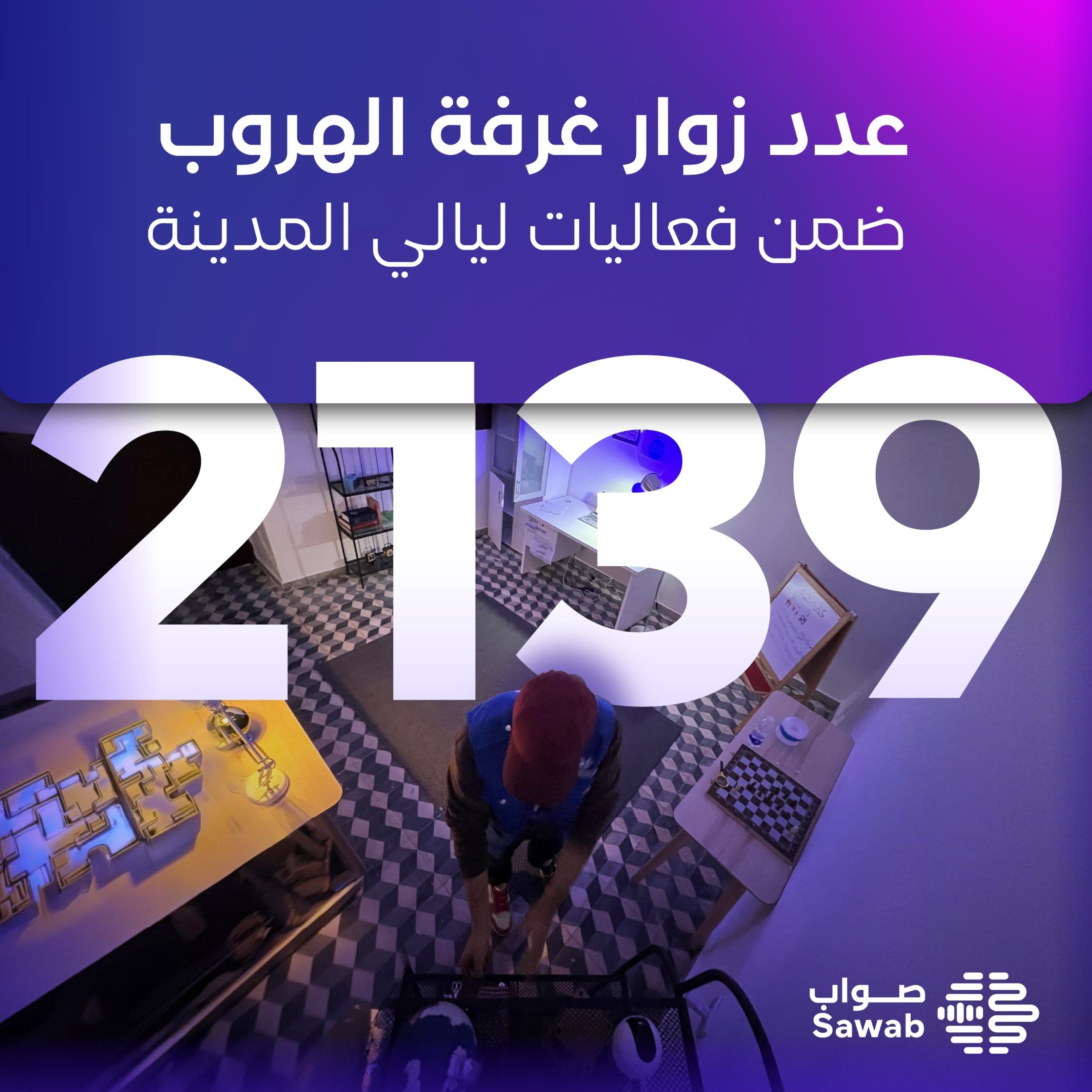
Sawab project has made significant strides in raising awareness and educating the public about the dangers of misinformation, creating an engaging and educational atmosphere for visitors. These events provided an exciting journey for attendees to learn about verifying information and identifying false and misleading news. Alongside these engaging activities, Sawab offered numerous opportunities for interaction and dialogue with experts in the field of fact-checking, resulting in highly fruitful discussions.
The impact of these efforts is evident in the impressive statistics:
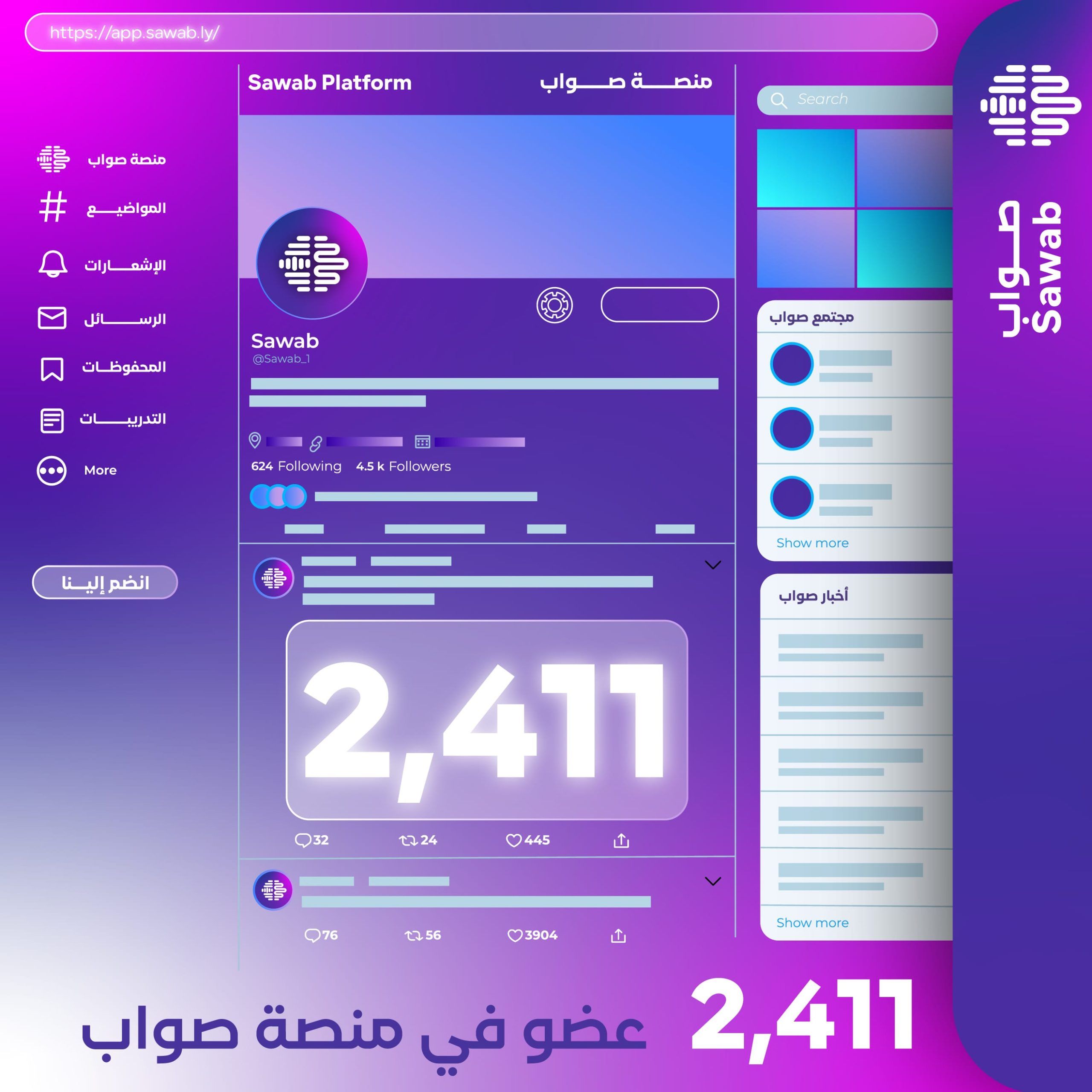
- Over 12,000 Registered Individuals: A total of 12,286 people have registered with Sawab, reflecting the project’s growing popularity and the public’s interest in combating misinformation.
- Over 5,000 Active Members: More than 5,000 members actively participate in Sawab’s activities, supporting its mission to promote accurate information and build a knowledge-driven community.
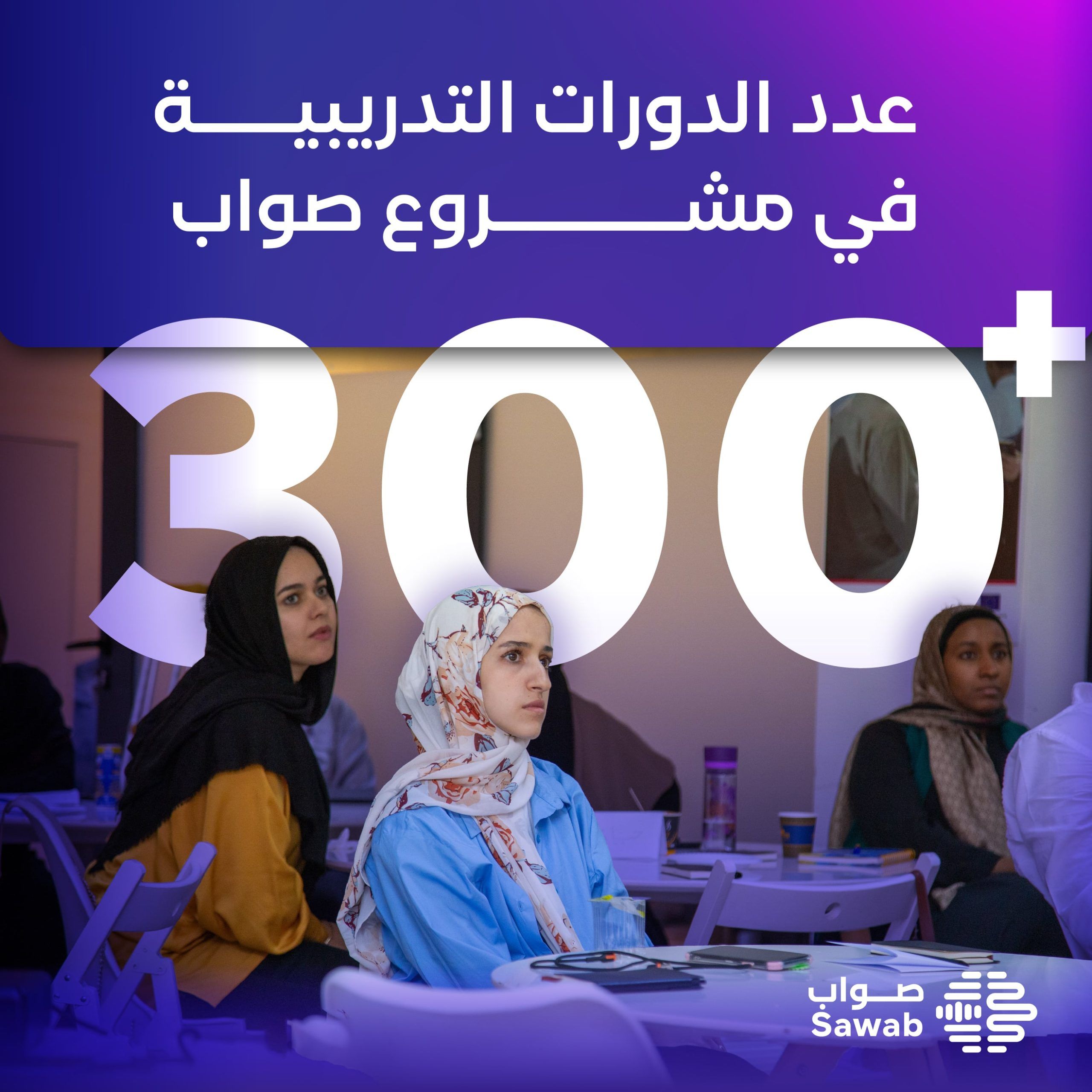
- 805 Workshops: Sawab has organized 805 workshops, offering rich educational content and practical skills for detecting misinformation and verifying news.
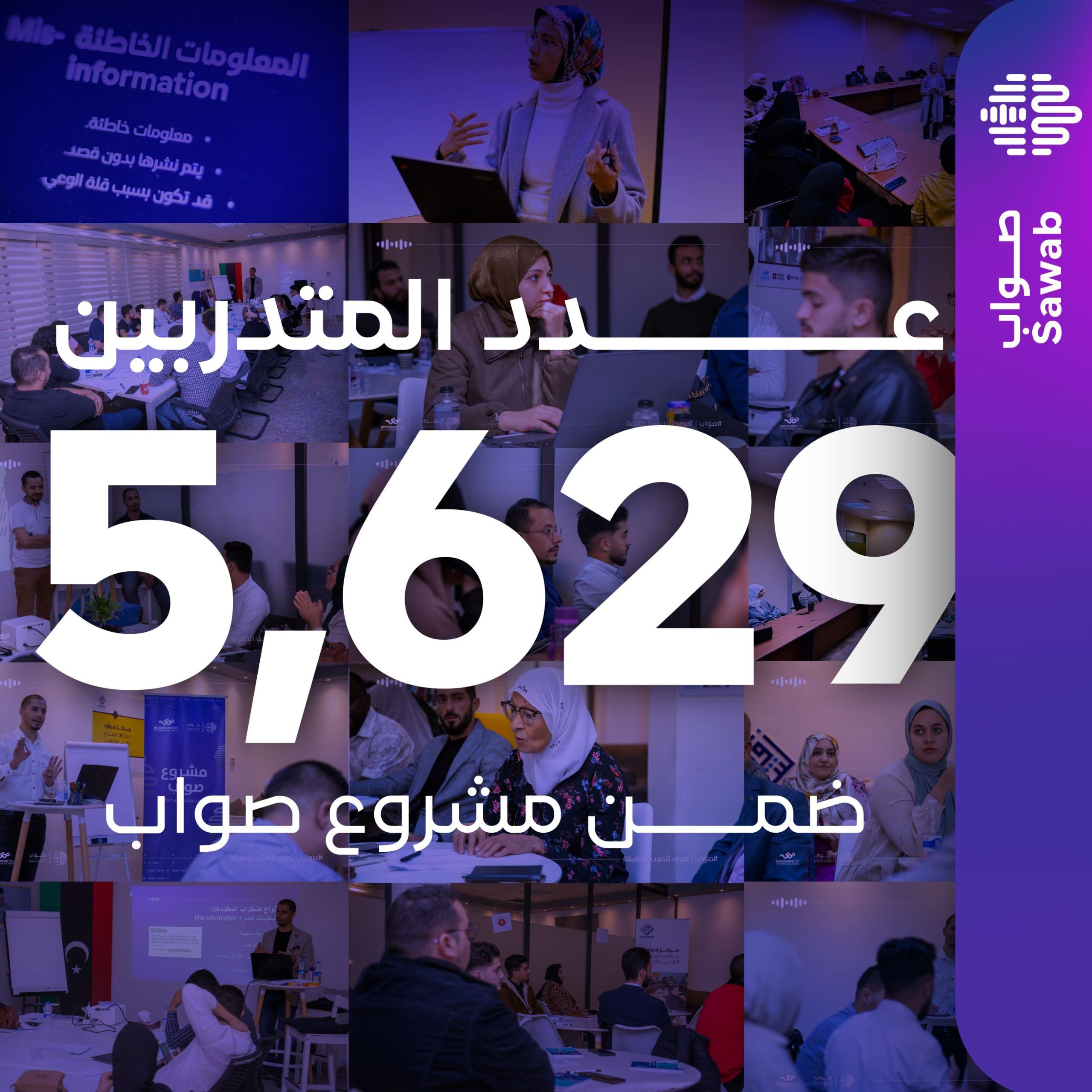
- Over 18,000 Trainees: A total of 18,000 individuals have been trained, equipping them with the tools to distinguish between true and false information and to identify misleading content on social media platforms.
Looking ahead, Sawab aims to further expand its training programs, ensuring that each trained individual becomes a source of awareness in their community—contributing to a society that is better equipped to distinguish between real and fake information.
Conclusion
The Sawab project not only provides the necessary knowledge and tools to handle information but also extends to understanding the real impact of misinformation on Libyan society. Through in-depth studies and analyses, we strive to assess how this information affects individuals and the community as a whole.
Moreover, we are developing and implementing new strategies and educational programs that focus on media literacy and critical thinking. Our goal is to build a more aware and capable society that can combat false and misleading information and promote proper digital behavior.
Sawab aims to create a more conscious and responsible community, capable of meeting modern media challenges and enhancing critical and constructive media culture in Libya.
Dayem Project: Leading Libya Towards Environmental Resilience
Dayem Project: Leading Libya Towards Environmental Resilience
The Dayem Project, led by the Moomken Organization for Awareness and Media and funded by GIZ, is a two-and-a-half-year initiative designed to tackle Libya's pressing climate-related challenges. Operating under the title "Sustainable Environmental and Climate Change Adaptation and Resilience" (SECCAR), the project aims to enhance Libya's ability to adapt to and mitigate the impacts of climate change.
Environmental Focus
Climate Change Adaptation and Mitigation: The Dayem Project is committed to improving Libya's resilience to climate change through a series of strategic interventions:
· Sustainable Land Management: Implementing practices that prevent land degradation and promote the sustainable use of natural resources.
· Water Resource Management: Improving the management of water resources to combat severe water scarcity and ensure sustainable agricultural practices.
· Disaster Risk Reduction: Strengthening strategies to reduce the risks associated with extreme weather events, such as floods and droughts.
2- Renewable Energy Solutions: To reduce dependency on fossil fuels and promote environmental sustainability, the Dayem Project focuses on implementing renewable energy solutions:
· Solar-powered Water Pumping: Replacing diesel-generated or grid-based electricity with solar-powered solutions for irrigation.
· Rooftop Solar Panels: Encouraging the installation of solar panels to generate electricity, reducing greenhouse gas emissions and alleviating the strain on the national grid.
3- Community Engagement and Education Raising awareness and educating local communities about climate change and sustainable practices is pivotal to the Dayem Project. Key activities include:
· Awareness Campaigns: Developing media content and engaging local influencers to spread awareness about climate change impacts and adaptation strategies.
· Outreach Programs: Conducting community dialogues, youth engagement workshops, and adult capacity enhancement workshops to foster a proactive approach to environmental conservation.
· School Workshops: Partnering with the Ministry of Education to integrate climate-centric themes into academic curricula, aiming to engage at least 500 participants across schools and communal hubs.
4- Stakeholder Involvement Collaboration with various stakeholders ensures the long-term sustainability of the Dayem Project’s initiatives:
· Government Entities: Partnering with municipal governments, the Ministry of Environment, the Ministry of Agriculture, and the Department of Water Resources to develop and implement effective climate policies and practices.
· Non-Governmental Organizations: Engaging environmental NGOs and women's empowerment organizations to support and amplify project activities.
· Private Sector: Collaborating with renewable energy companies and agricultural businesses to leverage expertise and resources for sustainable solutions.
5- Monitoring and Evaluation The Dayem Project incorporates a robust monitoring and evaluation (M&E) framework to track progress and ensure the effectiveness of its interventions:
· Continuous Data Collection: Regular monitoring of project activities and data triangulation to provide real-time insights into project performance.
· Preliminary and Impact Evaluations: Conduct midline and end-line evaluations to assess the project's impact on environmental sustainability and community resilience.
Conclusion
The Dayem Project is a comprehensive initiative aimed at bolstering Libya's environmental resilience to climate change. By promoting sustainable practices, renewable energy solutions, and community engagement, the project seeks to mitigate the adverse effects of climate change and ensure a sustainable future for Libyan communities. Through collaboration with various stakeholders and a strong focus on environmental conservation, the Dayem Project embodies a proactive approach to addressing climate-related challenges in Libya.






Beekeeping
Enhancing the Beekeeping and Honey Industry in Libya
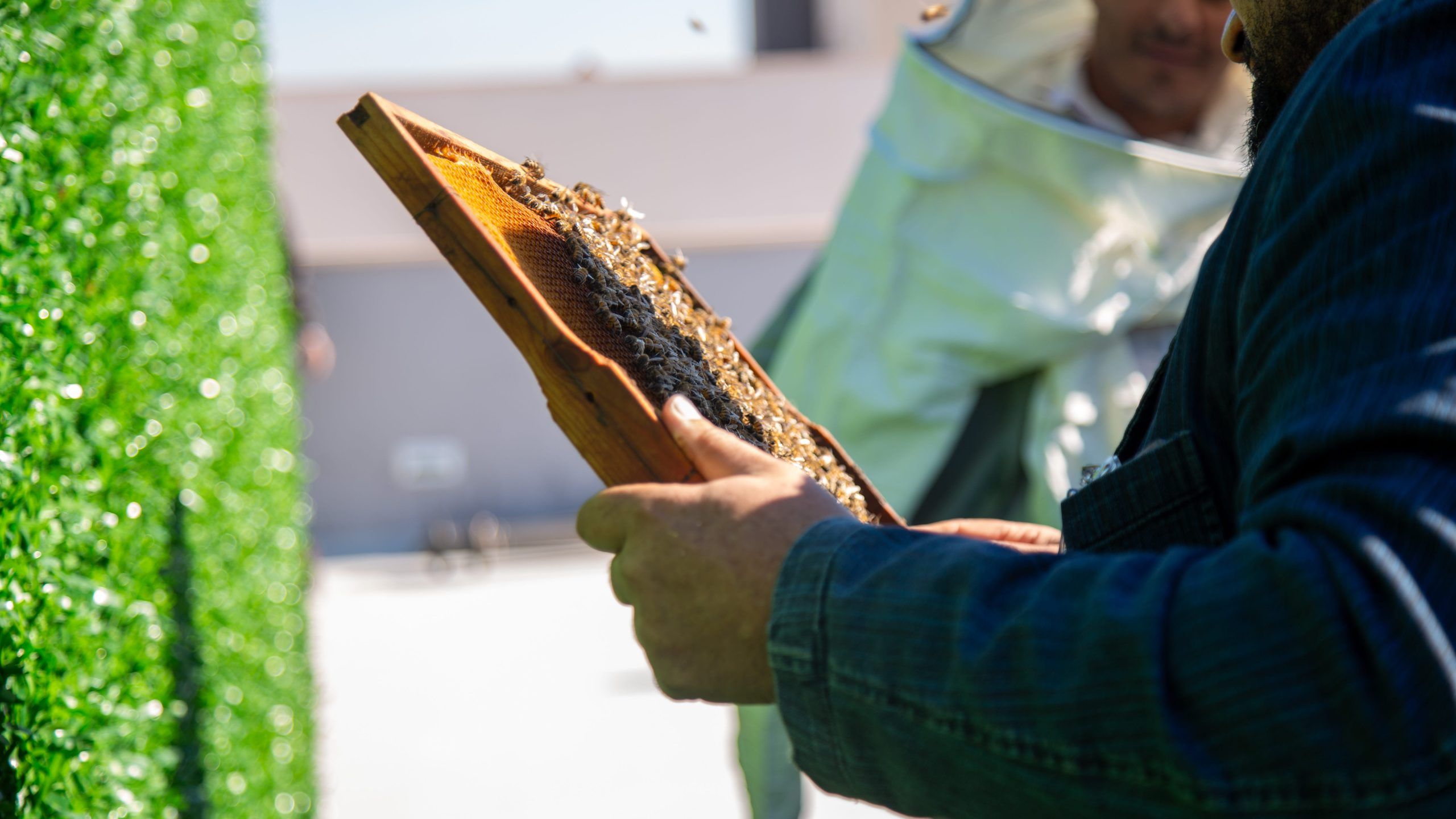
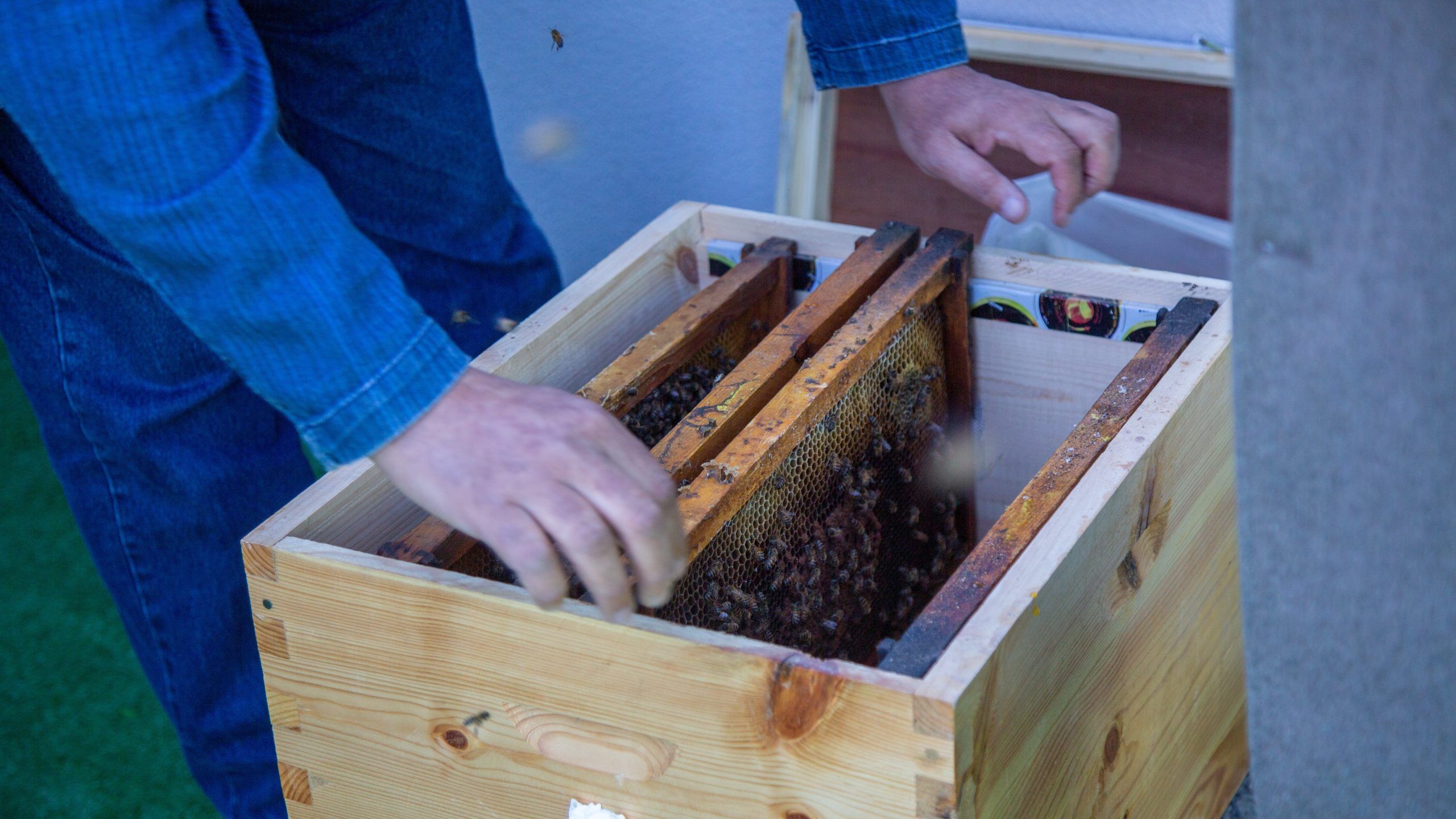
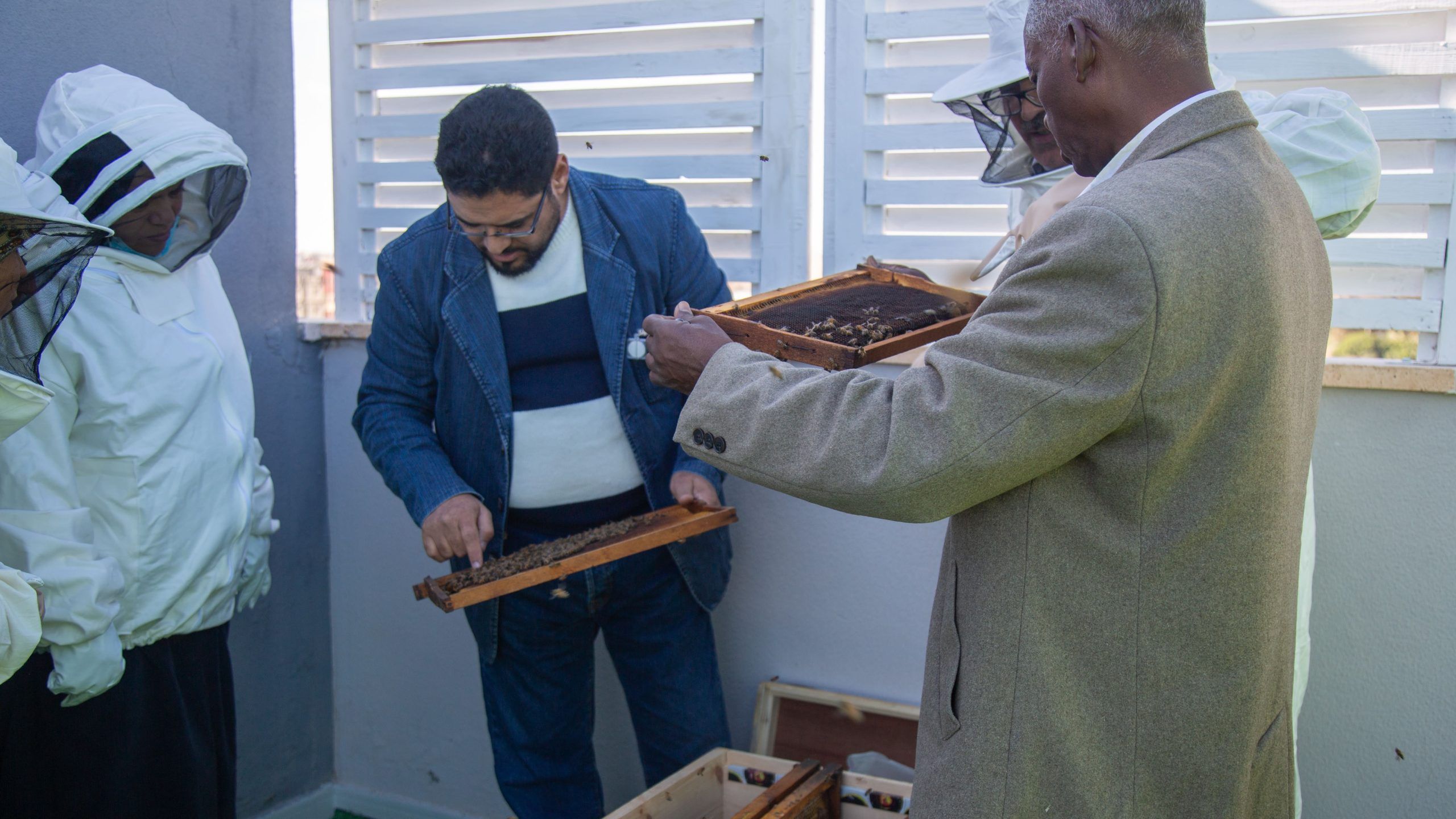
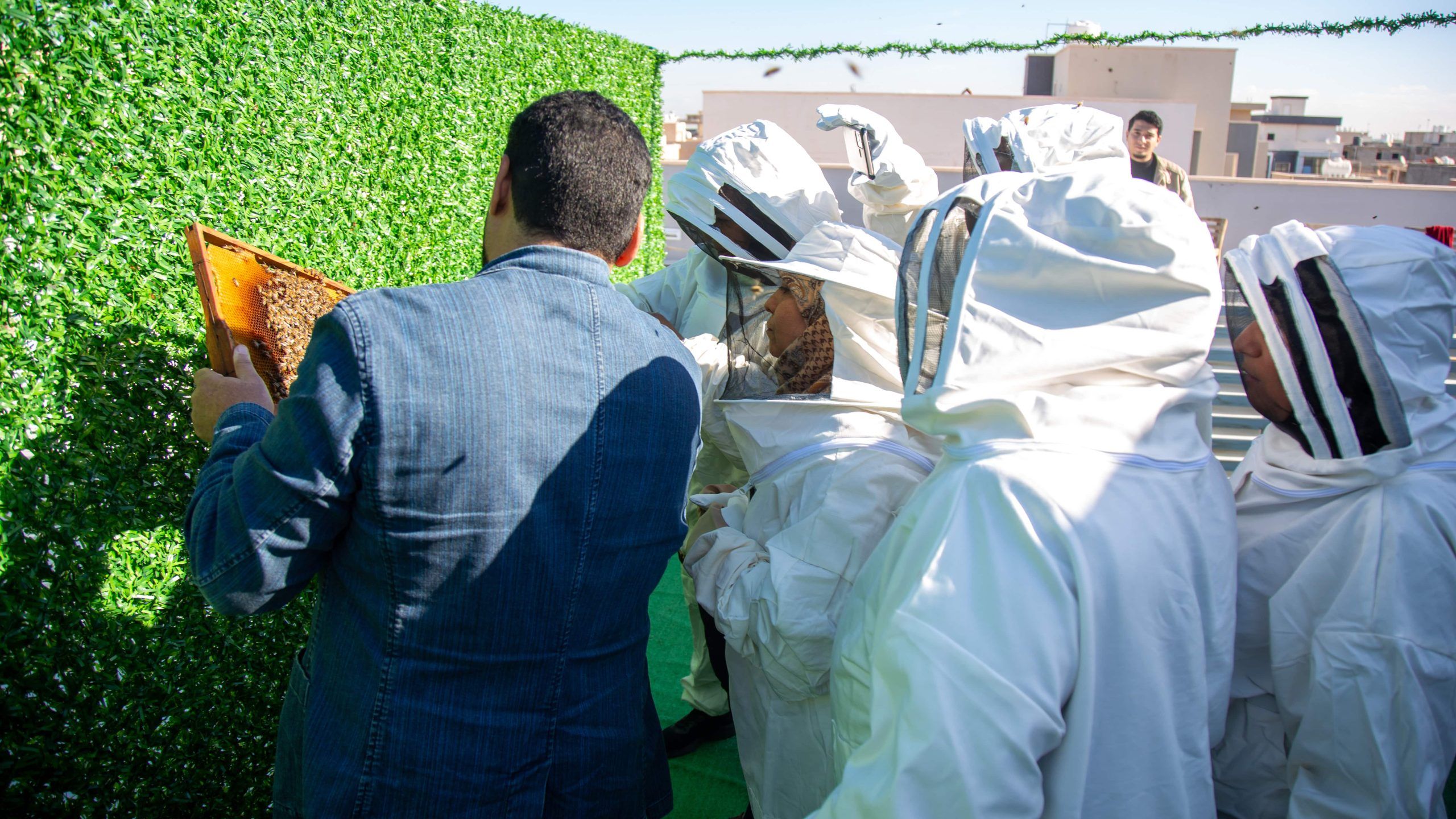
The "Beekeeping in Libya" initiative, funded by USAID, aims to enhance the beekeeping and honey industry through comprehensive industry statistics, physical spaces, resources, training, testing protocols, and quality standards while integrating urban beekeeping to promote sustainable growth and community enrichment across environmental, social, and economic spheres.
Environmental Benefits
Urban beekeeping significantly enhances urban biodiversity and provides essential pollination services. Bees are critical indicator species, reflecting the health of their environment. Their presence in urban areas helps monitor and maintain ecological well-being. This environmental stewardship is mirrored in the broader goals of Libya's beekeeping industry, aiming to bolster environmental health through improved pollination and biodiversity.
Social Benefits
Urban beekeeping offers unique social benefits. It provides educational opportunities, fostering a deeper understanding of ecological systems among city dwellers. It also promotes social cohesion by bringing communities together around a shared interest. Additionally, the production of local honey provides health benefits, offering a nutritious and natural food source.
In Libya, these social benefits are extended through comprehensive training programs and resource centers targeting both new and experienced beekeepers. These initiatives educate and empower individuals, particularly women and vulnerable households, by providing sustainable income-generating opportunities.
Economic Benefits and Industry Development
The economic advantages of urban beekeeping align with the strategic development goals of Libya's beekeeping and honey industry. Urban beekeeping serves as a model for small-scale, sustainable income generation. In Libya, efforts are focused on overcoming industry challenges through a value chain approach that includes:
- Policy and Governance: Strengthening legislative frameworks and enabling institutional stakeholders like the Ministry of Agriculture to support industry growth.
- Input Supply and Finance: Improving access to beekeeping materials and investment capital.
- Production and Management: Enhancing technical support, governance, and management of beekeeping operations.
- Market Access: Developing processing, packaging, distribution, and promotion mechanisms to improve market linkages and protect local producers.
Beekeeping in Libya Initiative
The "Beekeeping in Libya" initiative, funded by USAID, focuses on enhancing the beekeeping and honey industry in Libya. The project aims to:
• Develop comprehensive industry statistics for strategic decision-making.
• Provide physical spaces, resources, and training to enhance the entrepreneurial and technical knowledge of current beekeepers while encouraging new beekeepers.
• Develop testing protocols and quality standards to safeguard consumer health and facilitate access to export markets.
Activities and Implementation
1. Data Collection and Analysis: Establishing a data center to collect comprehensive statistics on apiaries, hive numbers, and beekeeper identities. This initiative will enable strategic decision-making and improve overall industry management.
2. Resource Centers and Training Programs: Creating a Beekeeping Coworking Resource Center and an online platform to provide beekeepers with essential tools, resources, and training. These resources will help break financial barriers and enhance technical and entrepreneurial skills.
3. Quality Standards and Testing Protocols: Researching and developing standards for honey production, creating testing protocols, and collaborating with local labs for quality assurance.
Integrated Approach for Libya
By integrating the benefits of urban beekeeping with the strategic development goals of Libya's beekeeping and honey industry, we can create a comprehensive framework that supports environmental sustainability, social cohesion, and economic growth. This approach ensures that beekeeping practices are scalable and sustainable, benefiting both urban and rural communities.
Conclusion
The integration of urban beekeeping benefits with the strategic development of the beekeeping and honey industry in Libya presents a holistic approach that maximizes the environmental,
social, and economic advantages of beekeeping. This combined strategy will foster a more resilient and prosperous beekeeping sector in Libya, contributing to local and national development goals.
By leveraging the strengths of urban beekeeping and addressing the challenges faced by the industry, Libya can create a vibrant and sustainable beekeeping sector that supports communities, enhances biodiversity, and drives economic growth.

DERAYA
Details for this project are coming soon.
Capacity Building for Administration Communication Committee Between Batin Al Jabal abd Nalut Municipalities
This project aims to complete the construction of the administrative communication committee between the municipalities of Batin al-Jabal and Nalut in Libya, by enhancing the capabilities of its members to communicate and resolve conflicts even in difficult circumstances. Four important trainings and meetings have been planned over the next four months based on proposals and recommendations discussed in a recent meeting with Moomken and the US Institute of Peace.
In addition to recalling the most important recommendations that were presented by the Communication Committee in previous trainings, which included the committee's needs, such as:
- The need to continue holding periodic meetings among the members of the Communication Committee.
- Providing training courses for committee members in various fields (communication - project management - debate - writing reports - information technology - digital security - TOT training).
- Organizing external and internal courses.
- Search for any support opportunities from international organizations for the Committee and its projects.
- Supporting the committee with trainers and consultants specialized in several fields.
- Provide means of transportation for the members of the committee when implementing projects related to it.
And through the outputs of the focus session that was held in the city of Nalut on 6/15/2022 and the points that were discussed in the meeting that was held in the city of Nalut on Tuesday, 6/28/2022 between members of the Communication Committee for the two municipalities with the director of Programs Department in the Moomken organization. For the members of the committee to share the vision of the organization for the needs of the committee in order to develop its next work; Some points that this proposal takes into account have been emphasized, the most important of which are:
- Community participation in the implementation of the project: two local organizations will be involved in the implementation of the project in order to provide them with the skills of managing and implementing community projects.
- Work to open an internal dialogue in both regions. These sessions target different groups and segments:
- Notables and wise men.
- Municipal councils.
- Official and support security agencies.
- Security Directorate.
- Education monitoring.
- Universities and colleges.
- Launching a goodwill initiative for the return of the residents of Umm al-Far.
This proposal will provide a set of trainings that will contribute to activating and expanding the committee's work, such as advocacy and public relations, strategic planning, local governance, mediation and conflict analysis. With the employment of available resources which include:
- A special hall for the committee with the support of the possible organization.
- The committee's relationship with the community is excellent.
- The experiences available to the members of the committee.
- A private meeting room in the municipal council.
- Support from the municipal council of the two municipalities for the committee.
To renew the work of the committee through the establishment of a set of trainings that will contribute to the development of the role of the committee by carrying out mediation, advocacy and governance processes, which in turn will contribute to the expansion of the work carried out by the committee.
- Members of the communication committee between the municipalities of Batin al-Jabal and Nalut.
- The municipal council for each of the municipalities of Batin al-Jabal and Nalut.
- Elders, notables and local leaders from both municipalities.
- Activating and expanding the committee's work in new fields of work, such as advocacy and public relations.
- The committee lacks tools for strategic planning, local governance, mediation and conflict resolution.
- The absence of local organizations capable of understanding and supporting the Administrative Communication Committee in its work at the community level within the two cities.
- Weak focus of donor organizations on capacity building programs in the region in general and the lack of topics of interest to committee members in particular
- Enhancing the capabilities of the committee members in the local governance file in order to face the responsibilities facing the committee members.
- Sustaining the work of the Communication Committee in order to complete the tasks that contribute to enhancing communication between the two municipalities.
- Enabling the members of the committee to design a strategic plan for the committee and identify the most important tracks of its future work.
- Gain negotiation, mediation and arbitration skills to enhance the role and skills of the members of the Communications Committee.
- The ability to build relationships and network within the scope of work of the Communication Committee with government agencies and authorities.
CSOs Training Program
The project, carried out in collaboration with the organization SHARP, has a duration of three months. It focuses on strengthening the capacity of civil society organizations (CSOs) in Libya, specifically those operating within the country. The project aims to enhance the effectiveness and impact of these CSOs, empowering them to create positive change.
The primary goal of the project is to strengthen the capacity of civil society in Libya. This is achieved through two main objectives. The first objective is to increase understanding of CSOs operating in Libya and the available resources to support their work. This provides CSOs with valuable insights and knowledge to navigate their operating environment more effectively. The second objective is to promote increased skills, knowledge, and connections among Libyan civil society, fostering greater civic engagement.
The project is currently at the first stage, which involves training facilitated by the Moomken online e-learning platform. CSOs are invited to participate in online e-training through the Moomken online training platform, Mocs.ly, to ensure alignment and preparation before the physical training sessions.
Through this project, the aim is to empower CSOs in Libya, enabling them to make a positive impact in their communities and contribute to the development of civil society. By providing targeted training and resources, the project seeks to enhance the capabilities and effectiveness of CSOs, ultimately fostering positive change and sustainable progress.
Jusur Program
Executive Summary
The National Paid Internship Program, Jusur, was launched by Moomken organization in collaboration with the Economic and Social Development Council. It aims to address skill gaps among 25 graduates from Tripoli University in fields like Languages, IT, Economics, Political Science, Management, Media, and Engineering. The program offers three months of comprehensive training, including theoretical learning and practical experience in various companies and organizations.
Moomken's involvement in the program reflects their commitment to supporting young professionals and providing them with opportunities to grow. By offering paid internships, the program ensures participants can focus on learning without financial worries. The program's benefits extend beyond individuals, contributing to the development of a skilled workforce and promoting diversity and inclusion.
Introduction
This program aims to help graduates by filling skill gaps and providing them with the knowledge and expertise needed to succeed in their careers. In this introduction, we will explore why this program exists, why it is important to Moomken, the issues it seeks to address, the motivation behind its involvement, the benefits it offers to society, and the limitations it may face. Our goal is to highlight the significance of this program in promoting personal and professional growth and making a positive impact on society.
The National Paid Internship Program was created to tackle the challenge of skill gaps among young professionals. Many individuals entering the workforce lack the skills and experiences required in today's job market. Moomken understands the importance of equipping young professionals with the tools they need to succeed and has designed this program to provide comprehensive training in various fields.
Moomken's involvement in this program stems from the belief that investing in the development of young professionals is crucial for their growth and for the advancement of society. By offering paid internships, the program ensures that participants can fully focus on learning without financial worries. Moomken is committed to supporting young professionals and providing them with opportunities to gain practical experience and connect with professionals in their fields.
The program's significance extends beyond individual benefits. Society as a whole stands to gain from the positive outcomes it generates. By empowering young professionals with the necessary skills and experiences, the program enhances their employability, contributing to the development of a skilled workforce that drives economic growth and innovation.
Moreover, the program promotes diversity and inclusion by providing opportunities to individuals from different backgrounds. Embracing diversity allows for a wide range of perspectives, experiences, and ideas, leading to innovative solutions for societal challenges.
While the National Paid Internship Program holds great promise, it is important to recognize the limitations it may face. These limitations may include challenges related to program accessibility, reaching a diverse range of participants, and resource constraints such as funding and infrastructure. Cultural and contextual factors may also influence the program's effectiveness and acceptance within society. Efforts are being made to address these limitations and ensure inclusivity and sustainability.
Selection criteria
25 New graduates (2020-2023) from Tripoli University in the fields of Languages, IT, Economics, Political Science, Management, Media, and Engineering.
Time plan and training schedule
The training program consists of a three-month duration, with the first month dedicated to theoretical learning and the subsequent two months focused on practical training. During the practical training phase, all trainees will be placed in various companies where they will gain hands-on experience and apply their newly acquired knowledge.
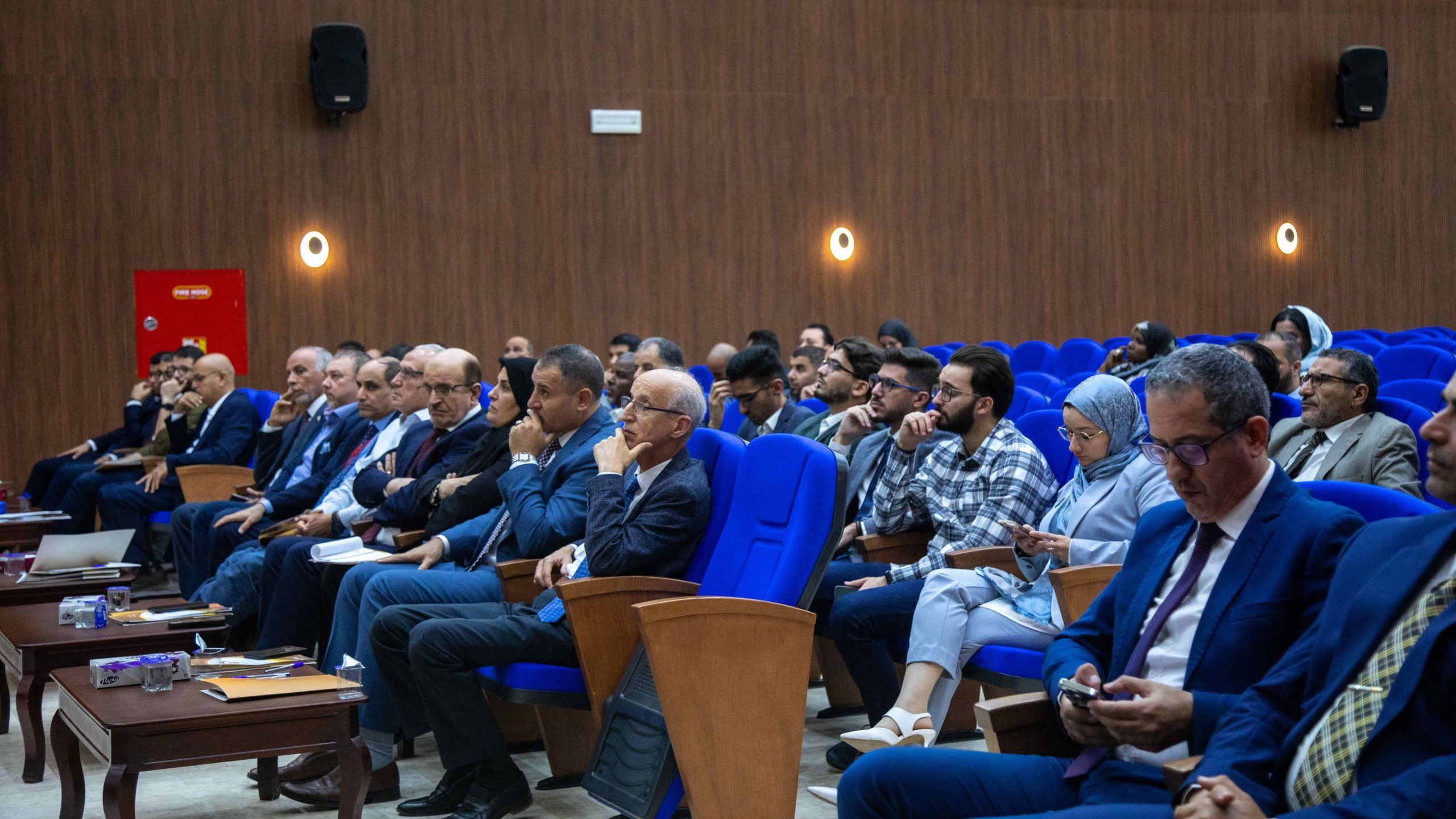
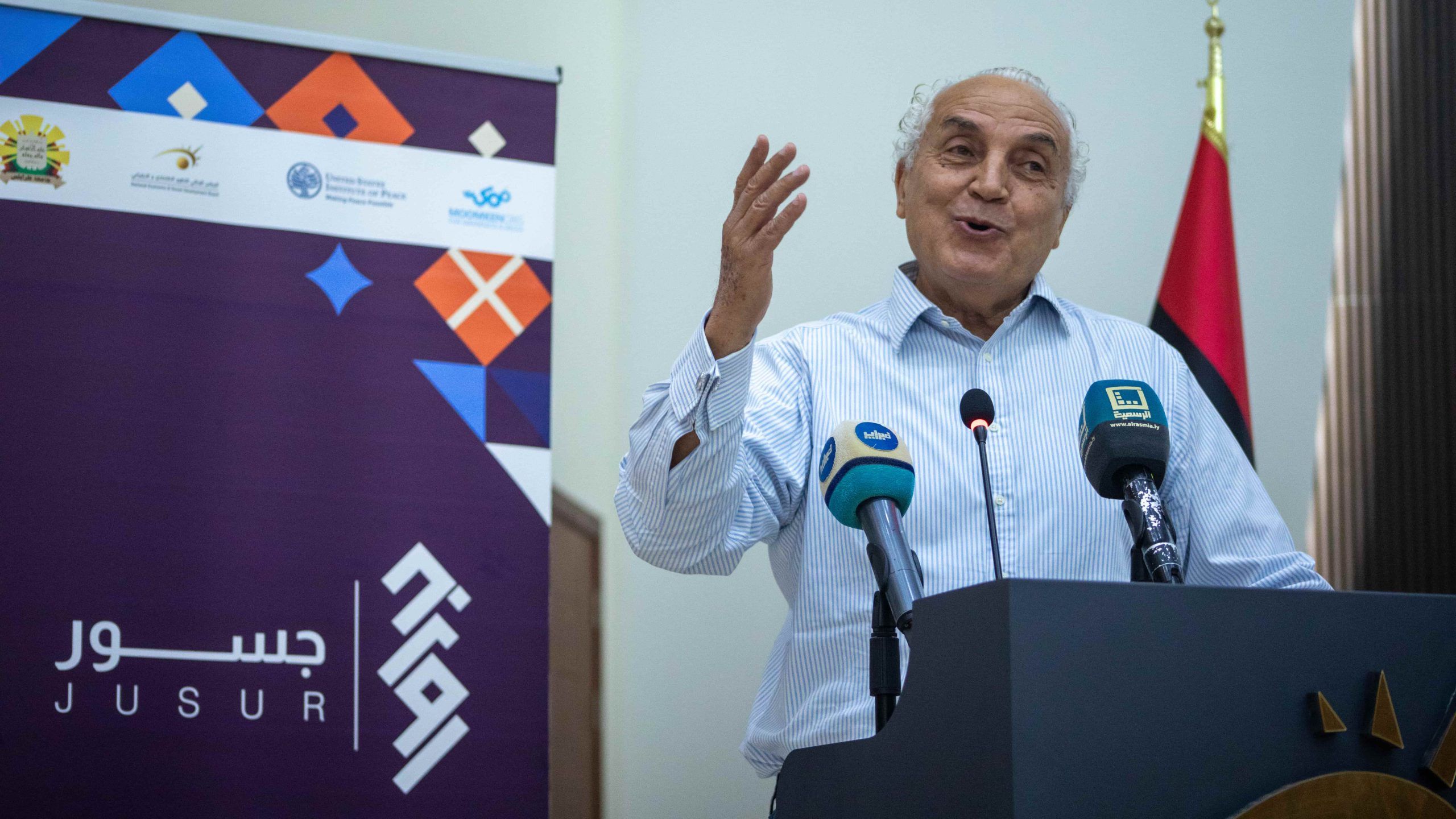
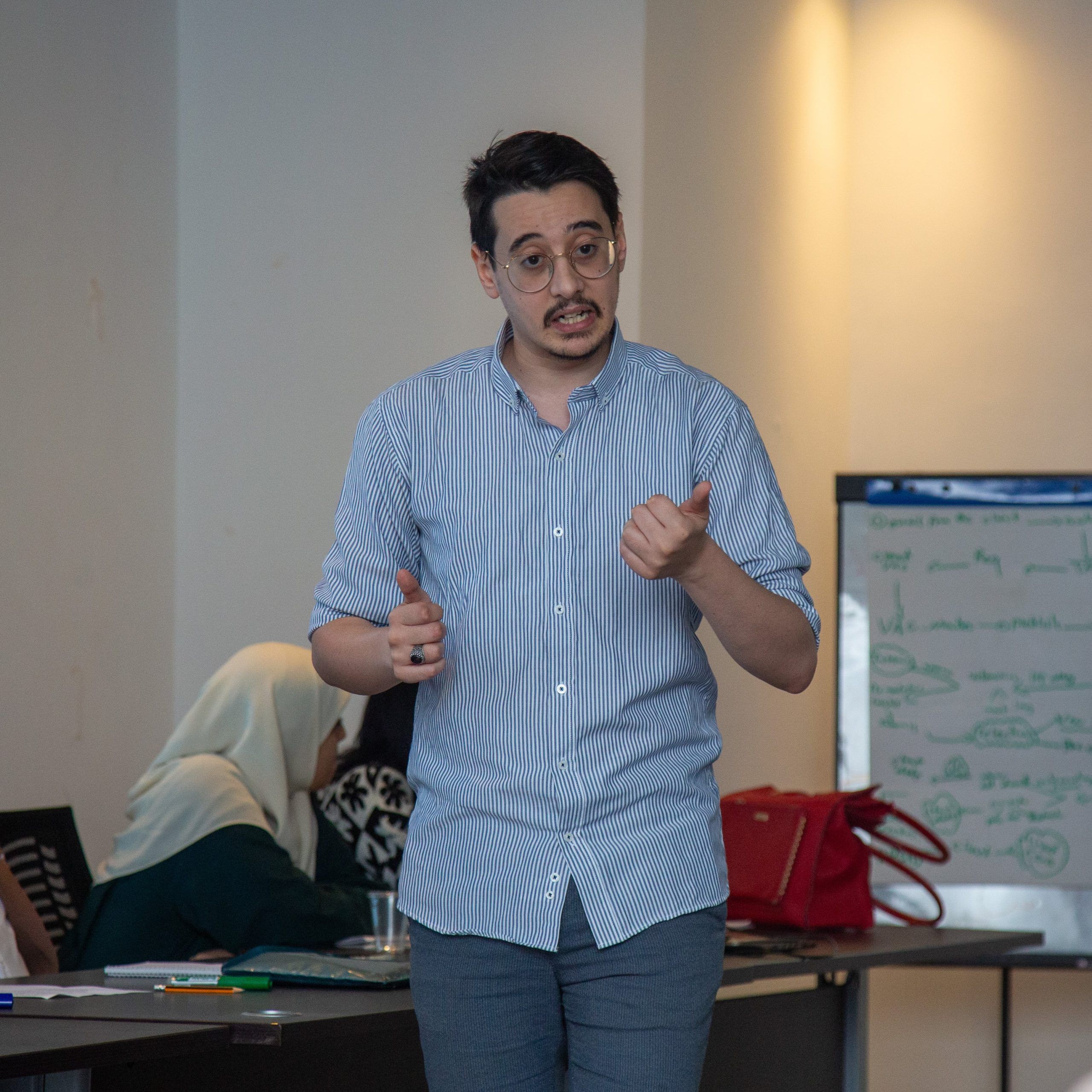
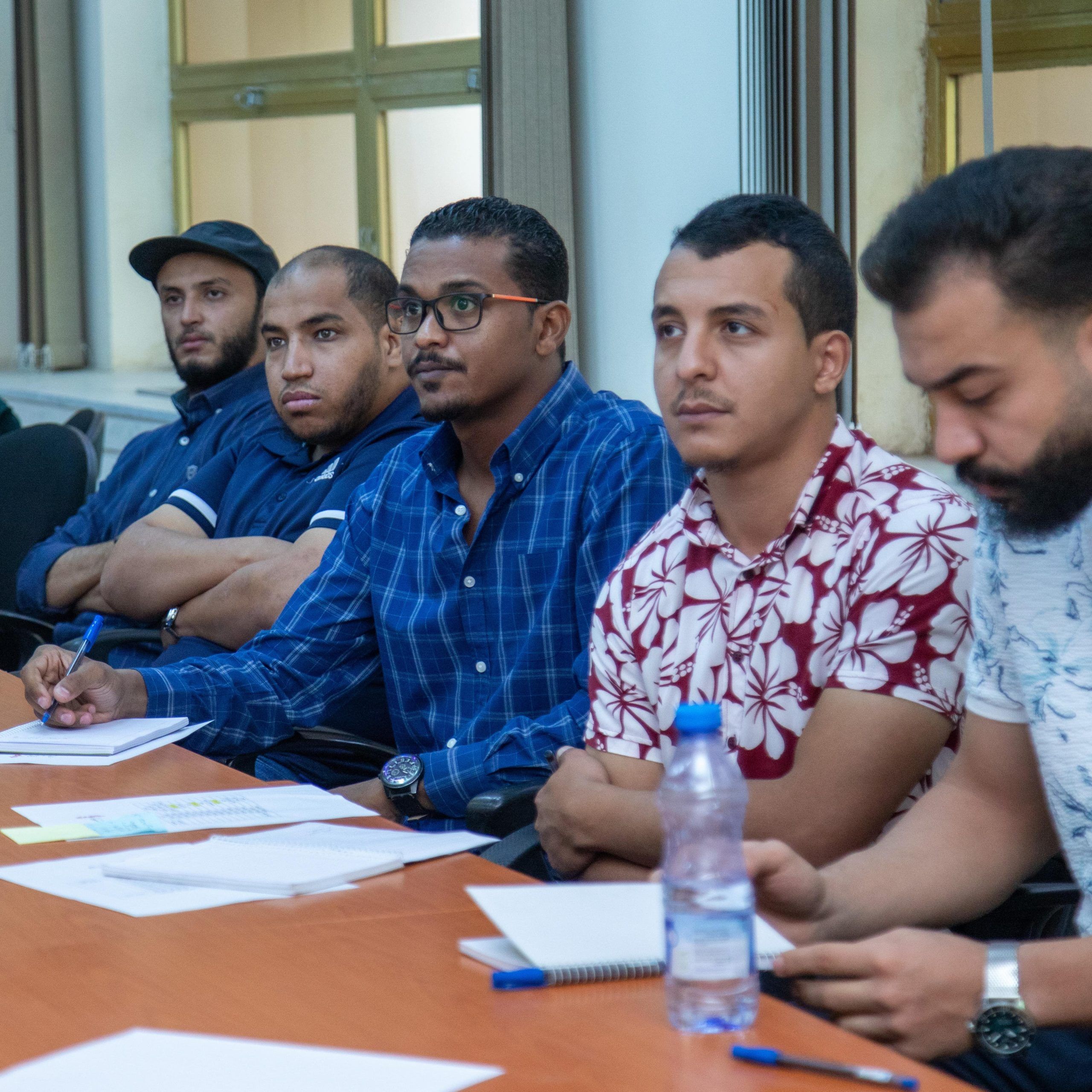
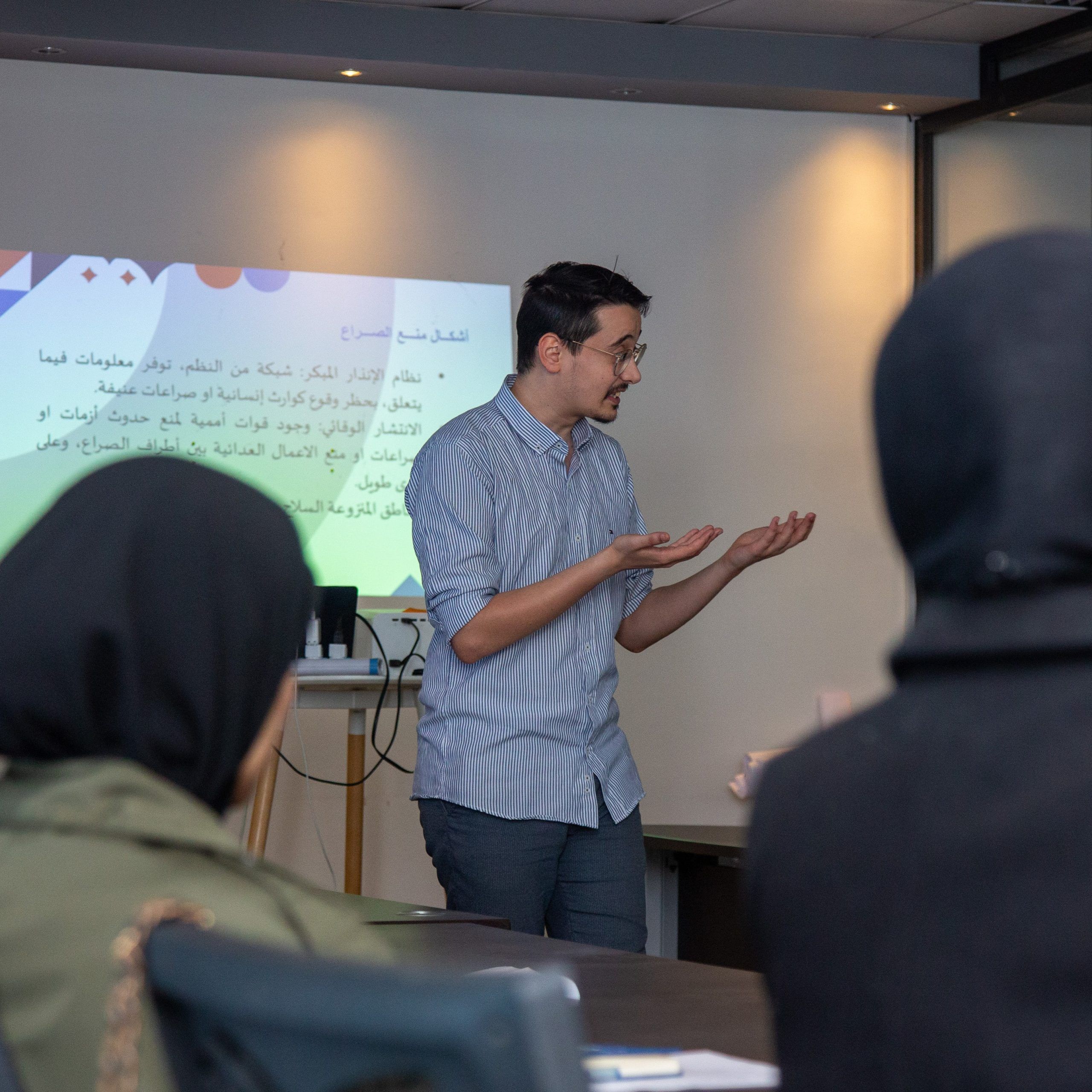
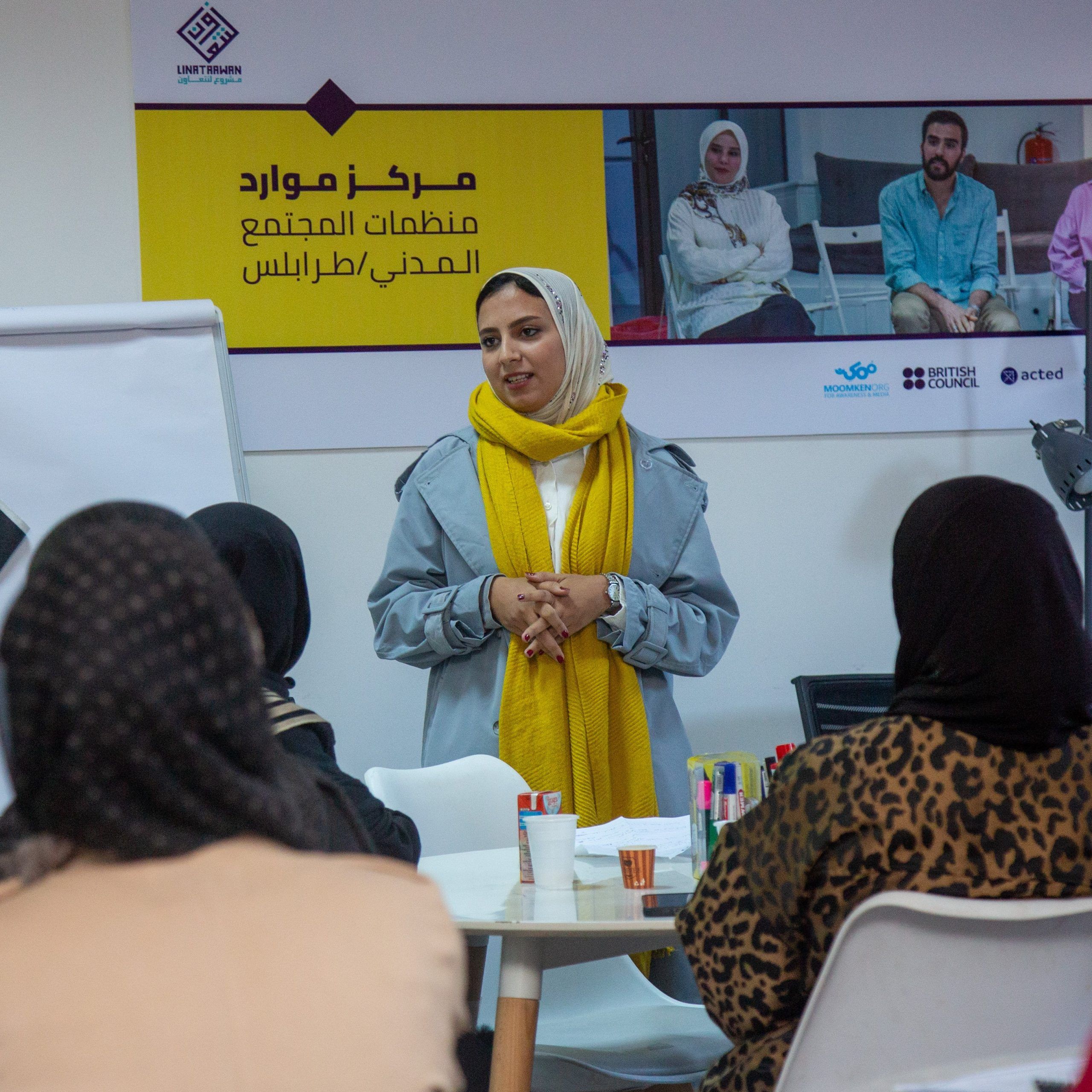
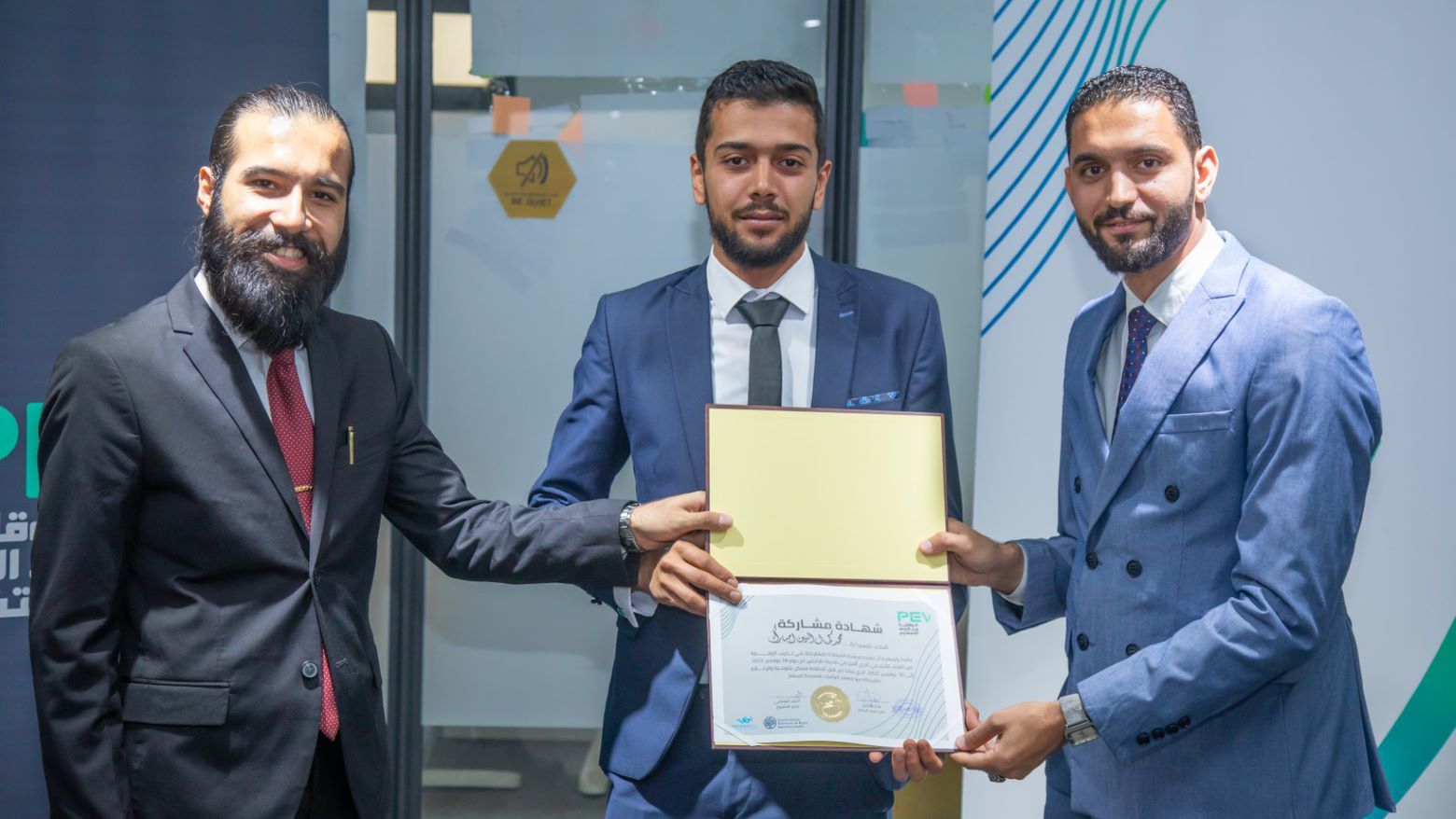
NIP (Jusur) Started on November 5, 2023, with the participation of a Moomken organization and the Economic and Social Development Council. The orientation day witnessed the presence of several companies and banks that will provide training to the trainees and be part of the project. The event was attended by high-level personalities.
The places selected for the practical training are chosen as follows.
- Moomken Organization 4 trainees.
- the Economic and Social Development Council 4 trainees.
- Vanex company 4 trainees.
- Alkafela company for insurance 2 trainees.
- Masarat company 2 trainees.
- Alzahaf office 1 trainee.
- Ben Ismael office 1 trianee.
- Altomi office 1 trainee.
- Alsrai bank 3 trainees.
- Arar company 2 trainees.
For more info check the link below:
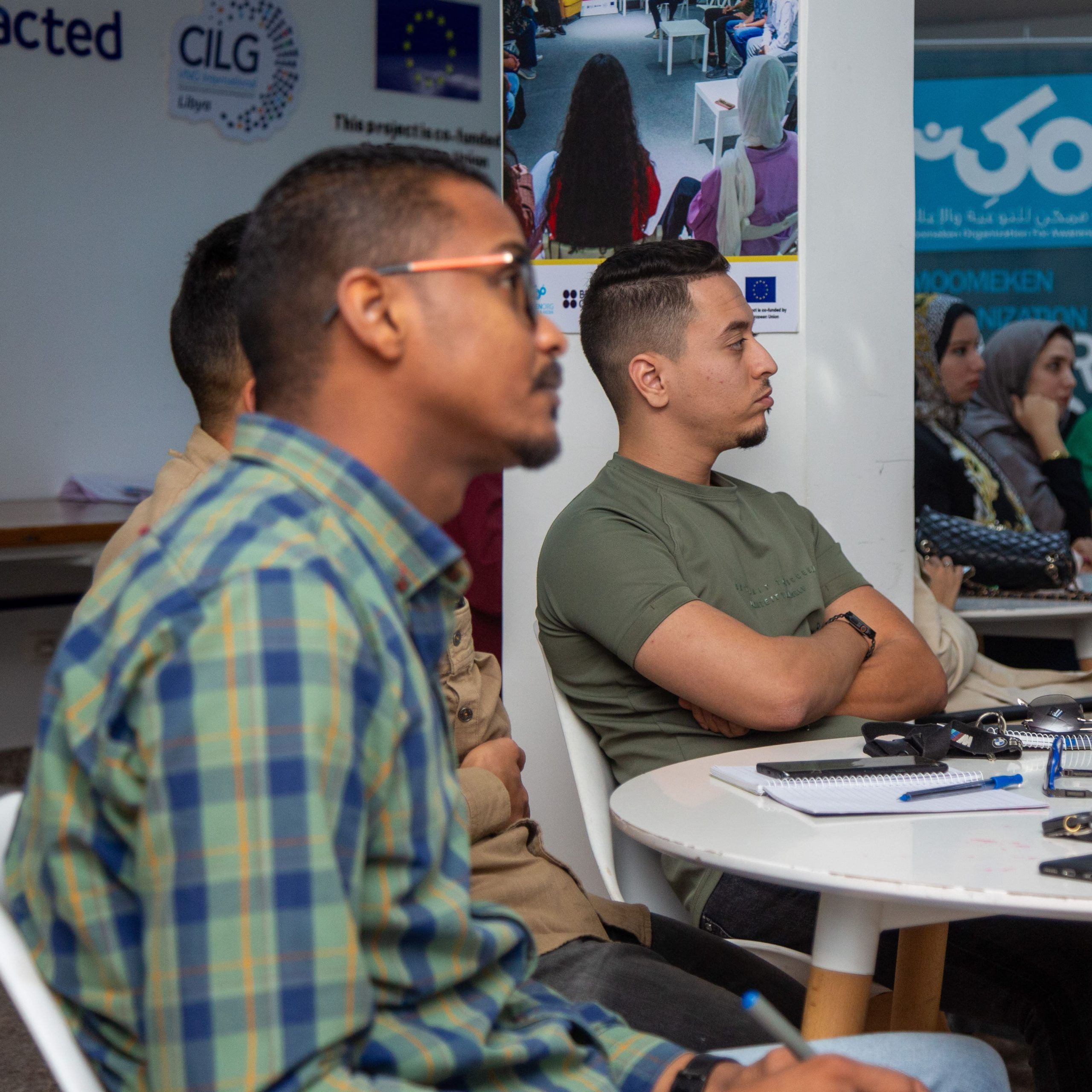
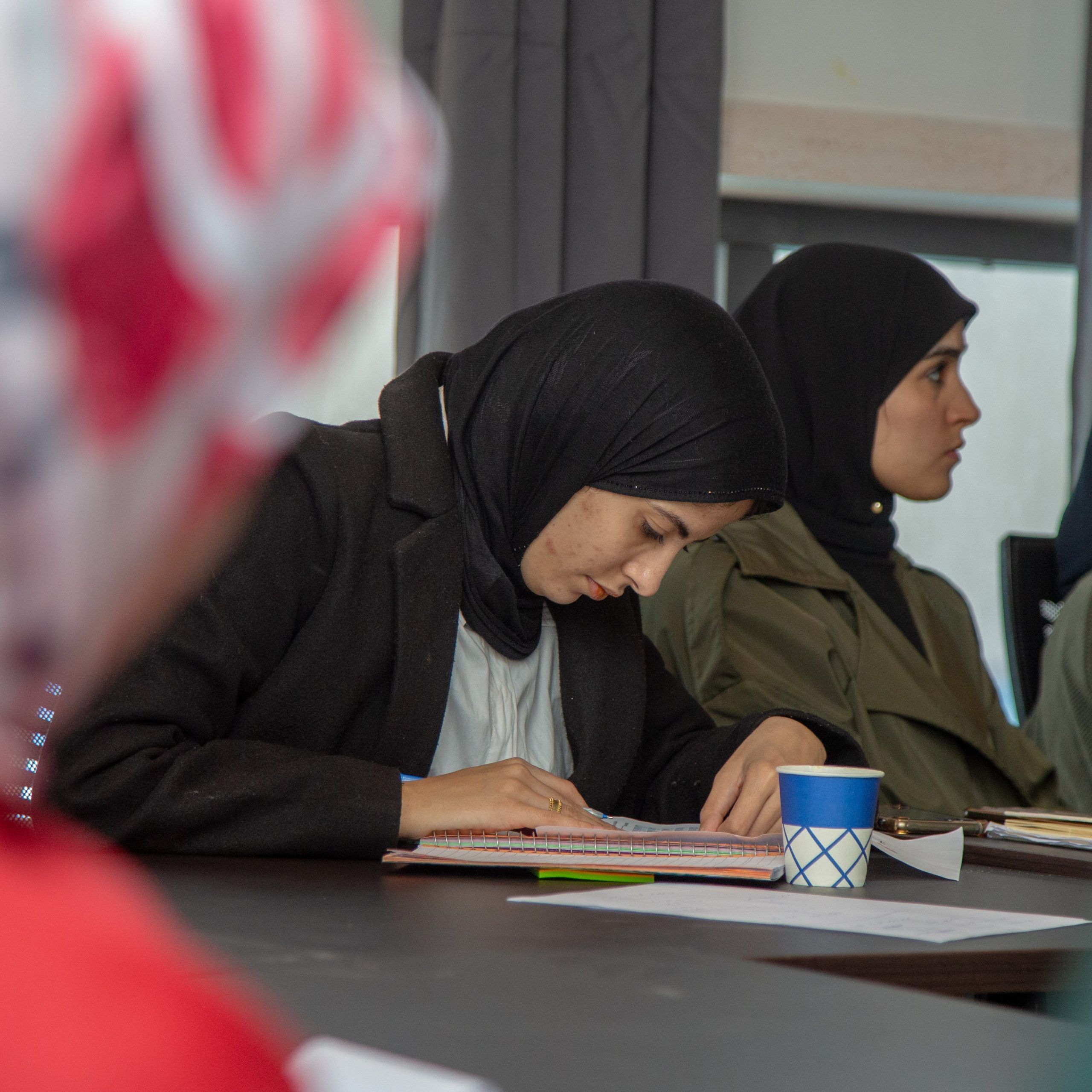
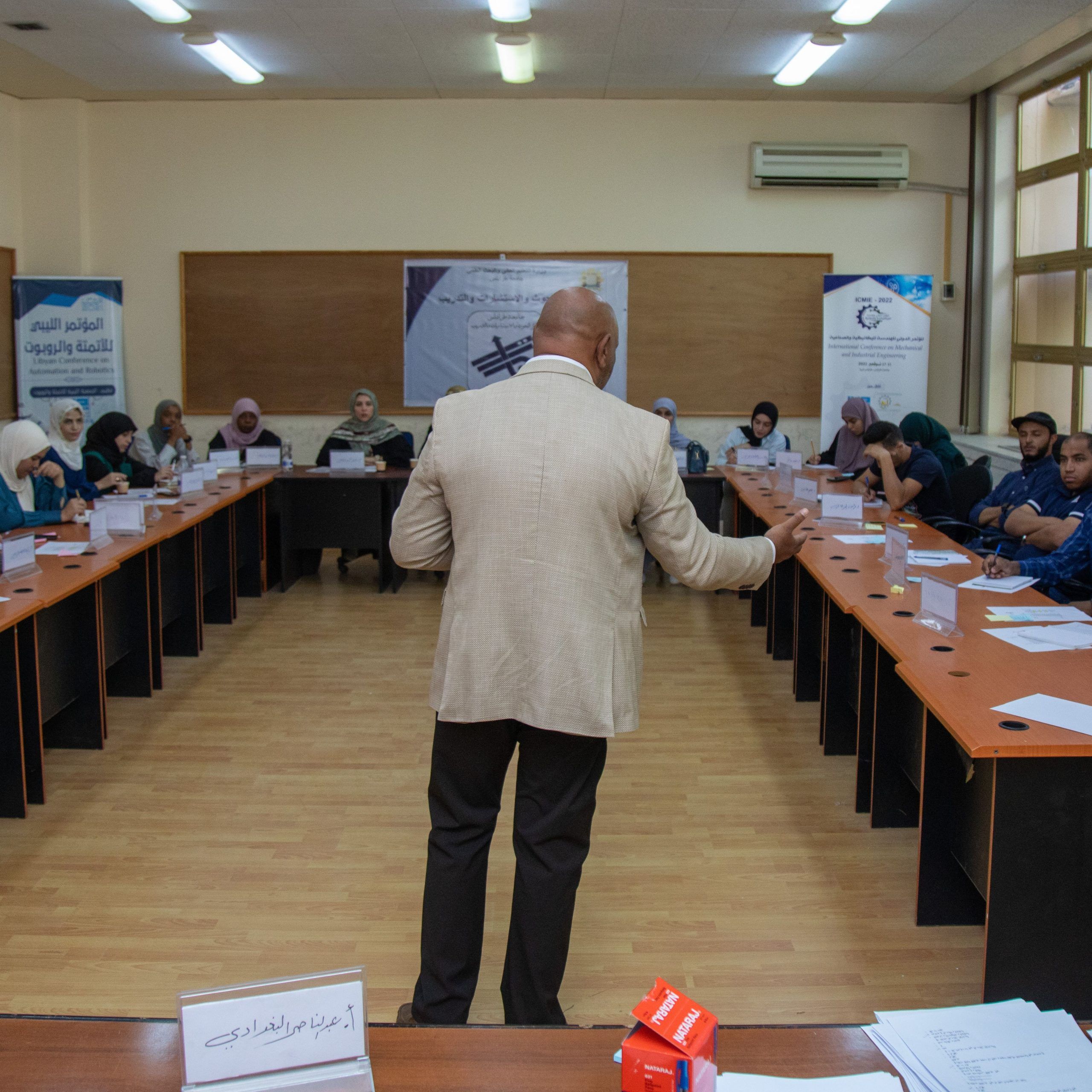
Supporting the Creation of Small Businesses and Strengthening the Livelihoods of Returnees in Kikla through Asset Recovery
The project “Supporting the Creation of Small Businesses and Strengthening the Livelihoods of Returnees in Kikla” funded by the United Nations Development Programme (UNDP) seeks to strengthen livelihoods through asset recovery for households and potential entrepreneurs who have lost means of conducting business as a result of conflict. The project aims to assist a minimum of 80 households in Kikla to create or re-establish their small businesses through providing trainings on entrepreneurship and in-kind assistance.
Following an initial Kick-off with UNDP, Moomken conducted a Rapid Livelihoods Assessment in Kikla, which provided the project with actionable data and findings generated at the local level in order to inform the project’s overall implementation strategy and training and learning materials. Moomken’s team collected data through several means, including surveys and focus group discussions (FGDs) with community members and a variety of other stakeholders.
In order to publicize and gain local support for this initiative, Moomken began conducting a media campaign under name "Kikla Bena W Lina” – ككلة بينا ولينا"”. The campaign used untraditional tools and methods to reach community members and potential beneficiaries, such as a door-to-door campaign where Moomken volunteers visited homes from villages far from center of the city to explain the objectives of the campaign and how to apply to participate in the program and asset recovery grants. As a result of Moomken’s outreach, this project received 380 applications, well over the target of 120.
As a critical step to prepare for upcoming Business Trainings, Moomken conducted a 14-day ToT for ten selected future trainers from December 21 to January 3, 2023. The ToT took place for eight days in Kikla and six days in Tripoli. The future Trainers will move to provide training and mentorship for project beneficiaries under Moomken’s supervision.
In the upcoming period, Moomken will work to finalize the selection of program beneficiaries and begin the Business Training program before grants for in-kind assistance are finalized and disbursed.
This project aims to target 120 Kikla returnees for business trainings and support at least 80 of these to receive in-kind assistance for their business’s regeneration. Beneficiaries include a variety of demographics, including men and women and people of all ages above 18 years old.
Moomken has engaged a number of different stakeholders, including:
- Kikla municipal council
- Office of Labour and Rehabilitation representatives
- Office of Social Affairs representatives
- Current local business owners
- Health and education sector employees
- Youth (students and employed youth)
- Community members
This project will be realized through the following guiding Outputs:
Output 1: Implementation design is prepared.
Output 2: Completed targeting and selection process.
Output 3: Asset recovery in-kind mechanism implemented for at least 80 returnee households pursuing to re-establish or start new income generating activity.
Output 4: Evaluation of the project completed.
In order to gain a greater sense of the local business landscape, community needs and challenges faced by business owners in Kikla, Moomken conducted a Rapid Livelihoods Assessment. Data collection, which occurred between September 29 and October 20, 2022, was conducted through several means:
- Surveys distributed through SMS messages (200 responses, 40 female)
- In-person interviews with current business owners (46 interviewees, 7 female)
- FGDs (53 participants, 18 female)
Moomken Organization’s mixed-methods methodology allowed the assessment to draw from a wide range of quantitative and qualitative data, providing the assessment with large data sets to work from and anecdotal evidence from Kikla residents and stakeholders. To ensure that the assessment included as many local voices as possible, Moomken made sure to engage a wide array of stakeholders, reflected in the composition of its four FGDs, which targeted public sector employees, youth, business owners/traders and women. Out of 53 participants, 18 were female.
The media team at Moomken Organization along with the project team visited the city of Kikla on November 27, 2022, in order to visit the city's historic sites. Several interviews with business owners were also held and conducted in order to start preparing for the media campaign.
On December 26, 2022, the project's media campaign was announced at the Cultural Center Hall of Kikla, in the presence of members of the municipal council and the elders of the city's districts, as well as several members of municipal councils in neighbouring cities. Moomken Organization’s Facebook page also announced that applications for taking part in the project would begin.
One of the most important tasks that were conducted throughout the entire project was the Business training. The 119 trainees were divided into 5 groups which received training from 6 of the trainers that have gone through the (ToT). Each group received 5 hours of training for 5 consecutive days on different topics relevant to entrepreneurship.
During these training courses all the trainees were monitored closely by the grading committee and all their participation, and many other factors were noted down to assist in the grading period after the conclusion of the training period.
The training period coincided with the holy month of Ramadan where trainers were not able to conduct the trainings as well as the trainees expressed that they would not attend during the month. Therefore, only 1 group was given training before Ramadan and then the trainings were halted to after Eid Al Fitr for the remaining groups
The project team assisted the trainers contracted to design the training curriculum that was utilized during the training-of-trainers which was informed by the Rapid Livelihoods Assessment and included the following subjects:
- Entrepreneurship.
- Marketing.
- Financial management.
- Feasibility studies.
- Facilitation skills.
- Increasing social cohesion through entrepreneurship.
These curricula are designed in line with modern methods of enterprise development and include the tools and methods that contribute to business expansion in order to increase their popularity
After all the Business trainings have been officially conducted a committee was created and using the grading system the top 80 scorers were selected out of 119 the grading was conducted throughout the first 2 weeks of June.
After the final list of the selected 80 was produced, local coordinators started the process of reaching out to the selected beneficiaries to inform them of the selection as well as to organize logistics for them to sign the contracts. By the 27th of June, all 80 contracts have been signed and received by Moomken.
On September 5, 2023, Moomken conducted an event in Kikla, where assets were distributed to the selected from the first group that has been trained of 28 beneficiaries. This event marked a crucial milestone in our ongoing project especially with the challenge with CBL.
Libyan Voices
Project Objectives
- Strengthen the democratic process in Libya by recruiting and qualifying a cadre of Long-Term-Observers (LTOs) to monitor the pre-election period, election day and post-election period.
- Promote adherence to newly issued electoral laws and regulations through conducting advocacy activities.
- Develop and launch an online platform serving as an educational tool for training observers, a comprehensive voter guide, and a campaign monitoring system.
Project Summary
This project is designed to bolster the democratic process in Libya's forthcoming elections, drawing on best practices from around the globe while remaining attuned to Libya's specific needs and circumstances. To strengthen electoral integrity, enhance citizen engagement, and promote democratic values, this project focuses on four interconnected components.
Firstly, Moomken will undertake an exhaustive research phase culminating in a final Assessment Report, identifying specific challenges to fair elections in Libya and drawing up targeted, effective strategies to address these. This will involve studying past elections, consulting with key stakeholders, and surveying citizens and CSOs to understand the landscape thoroughly.
Secondly, the project will invest significant resources in election observation to enhance transparency and trust in the electoral process. The project aims to engage Libyan civil society to recruit and train a cadre of 18 Long-Term Observers (LTOs), who will then move to train 535 - 700 LTOs, covering 14-18 municipalities throughout all regions of Libya (East, West and South).
Thirdly, this project will implement a robust advocacy campaign once new electoral laws and regulations are issued. This advocacy work will ensure that new regulations are understood and adhered to. This campaign will contribute to a more informed, engaged electorate and a fairer electoral process.
Lastly, Moomken will develop an Online Election Observation Resource Platform for election resources and electoral promises platform that will function as a comprehensive educational hub, compiling all project outputs, training materials, and awareness resources. Moomken places a strong emphasis on utilizing multimedia resources to ensure maximum accessibility and engagement.
Project Objectives
أهداف المشروع
- تعزيز العملية الديمقراطية في ليبيا من خلال توظيف وتأهيل كادر من المراقبين على المدى الطويل
- لمراقبة فترة ما قبل الانتخابات ويوم الانتخابات وفترة ما بعد الانتخابات.
- تعزيز الالتزام بالقوانين واللوائح الانتخابية الصادرة حديثا من خلال القيام بأنشطة المناصرة.
- تطوير وإطلاق منصة على الإنترنت تعمل كأداة تعليمية لتدريب المراقبين، ودليل شامل للناخبين، ونظام لمراقبة الحملات
ملخص المشروع
يسعى هذا المشروع لتعزيز العملية الديمقراطية في الانتخابات المقبلة في ليبيا، بالاعتماد على أفضل الممارسات من جميع أنحاء العالم مع البقاء متناغما مع الاحتياجات والظروف الخاصة لليبيا. لتعزيز نزاهة الانتخابات، وتعزيز مشاركة المواطنين، وتعزيز القيم الديمقراطية، يركز هذا المشروع على أربعة مكونات مترابطة.
أولا، ستقوم منظمة "ممكن" بمرحلة بحث شاملة تتوج بتقرير تقييم نهائي، يحدد التحديات المحددة التي تواجه الانتخابات النزيهة في ليبيا ويضع استراتيجيات مستهدفة وفعالة لمعالجتها. وسيشمل ذلك دراسة الانتخابات السابقة، والتشاور مع أصحاب المصلحة الرئيسيين، ومسح المواطنين ومنظمات المجتمع المدني لفهم المشهد بدقة.
ثانيا، سيستثمر المشروع موارد كبيرة في مراقبة الانتخابات لتعزيز الشفافية والثقة في العملية الانتخابية. يهدف المشروع إلى إشراك المجتمع المدني الليبي في توظيف وتدريب كادر من 18 مراقبا على المدى الطويل (LTOs) ، والذين سينتقلون بعد ذلك لتدريب 535 - 700 مراقب طويل الأجل ، يغطون 14-18 بلدية في جميع مناطق ليبيا (الشرق والغرب والجنوب).
ثالثا، سينفذ هذا المشروع حملة قوية للدعوة بمجرد إصدار قوانين وأنظمة انتخابية جديدة. وسيضمن عمل الدعوة هذا فهم اللوائح الجديدة والتقيد بها. وستسهم هذه الحملة في جعل الناخبين أكثر استنارة وانخراطا وفي عملية انتخابية أكثر إنصافا.
وأخيرا، ستقوم منظمة "ممكن" بتطوير منصة موارد مراقبة الانتخابات عبر الإنترنت للموارد الانتخابية ومنصة الوعود الانتخابية التي ستعمل كمركز تعليمي شامل، يجمع جميع مخرجات المشروع والمواد التدريبية وموارد التوعية.
To those who are interested in registering to the monitoring process:

Municipal Leaders Building Peace
Municipal leaders building peace project is funded by New York University (NYU) and lead by the Peace Research and Education Program (PREP), is to understand locally lead impact in conflict- affected countries, this program is a collaboration between NYU, Resurpaz (Colombia) and Moomken (Libya).
Objective One: Undertake applied research exploring ways in which community-based organizations can utilize participatory action research methodologies to generate grassroots understandings of how municipal leaders and communities themselves define “impact” and bring this learning to the related communities of practice globally.
Objective Two: Bolster the evaluation skills of local partners, improving their capacity to generate their own inductive research questions and produce local knowledge related to the promotion of peace and human rights.
Moomken and New York University team were able for the first time to meet the communication committee (A committee that was formed by both municipality Nalut and Batin Al-Jabal as part of a project conducted by Moomken funded by USIP, in order to promote communication between the two municipalities after long-standing conflicts). The training was fruitful in terms of strengthening the relations between the teams. The communication committee members had the opportunity to highlight the wonderful work they are doing, that they are the pioneers of change within their municipalities and are truly heroes in their heroic mission to build peace within the region. The team gained a better understanding of the grand image of what we are doing on this research and the reason behind asking the survey questions to the municipal leaders.
The project implementation started at the end of May 2021, when the interviews were conducted by our local researchers in both Nalut and Batin Al Jabal. Also, we have conducted a focus group in each municipality and another focus group was implemented in Nalut by Moomken team of researchers with active women from Nalut.
UNDP Youth and Peacebuilding
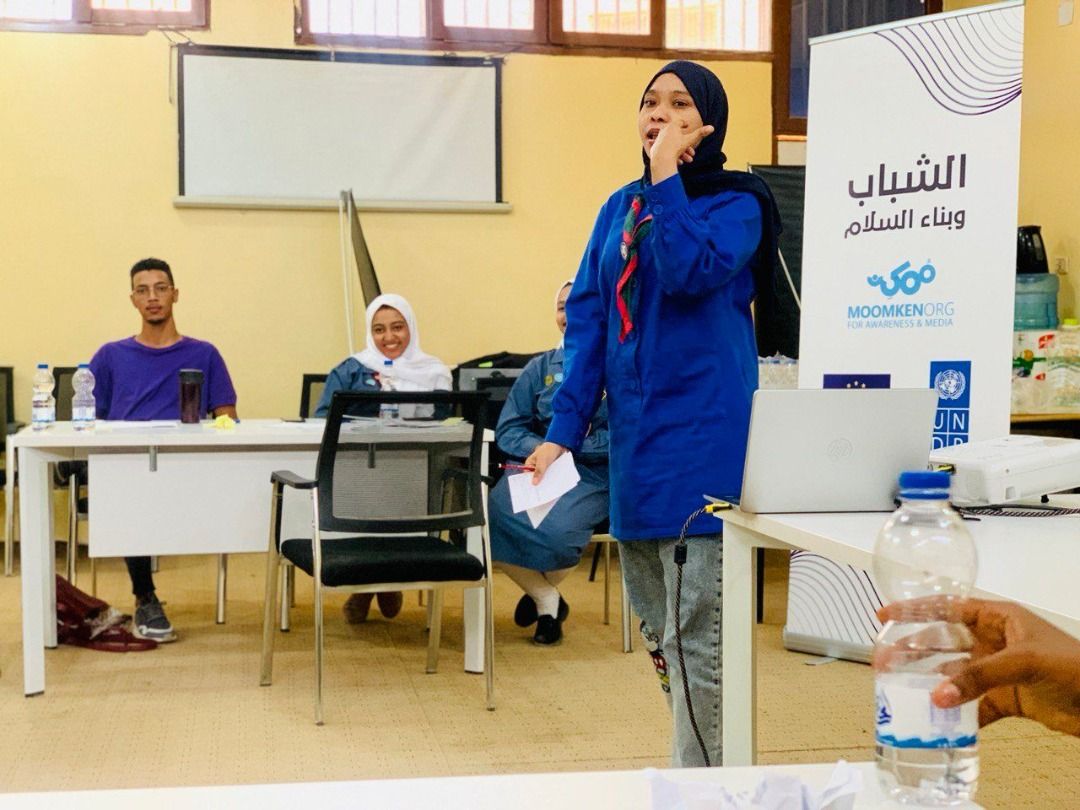
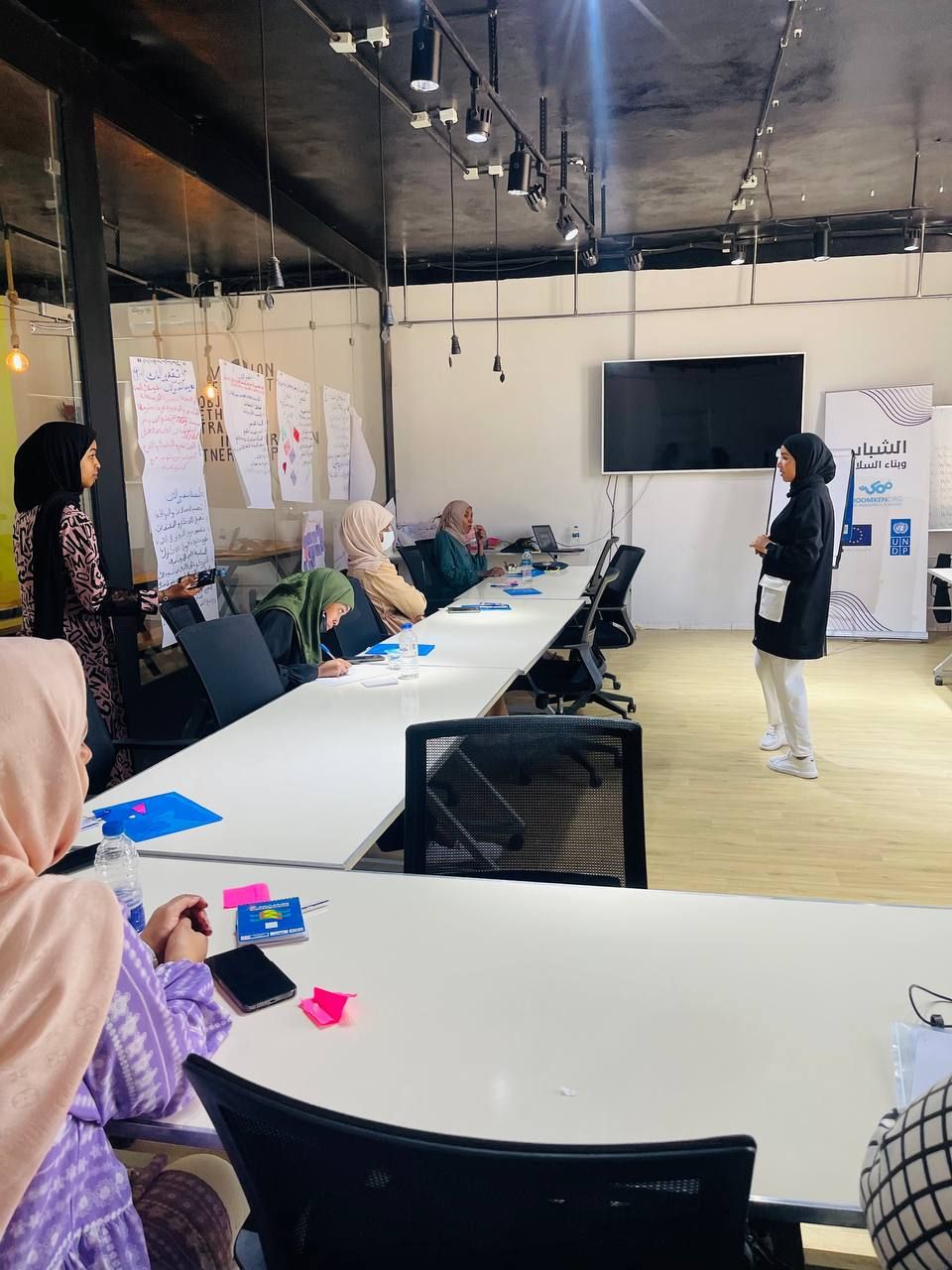
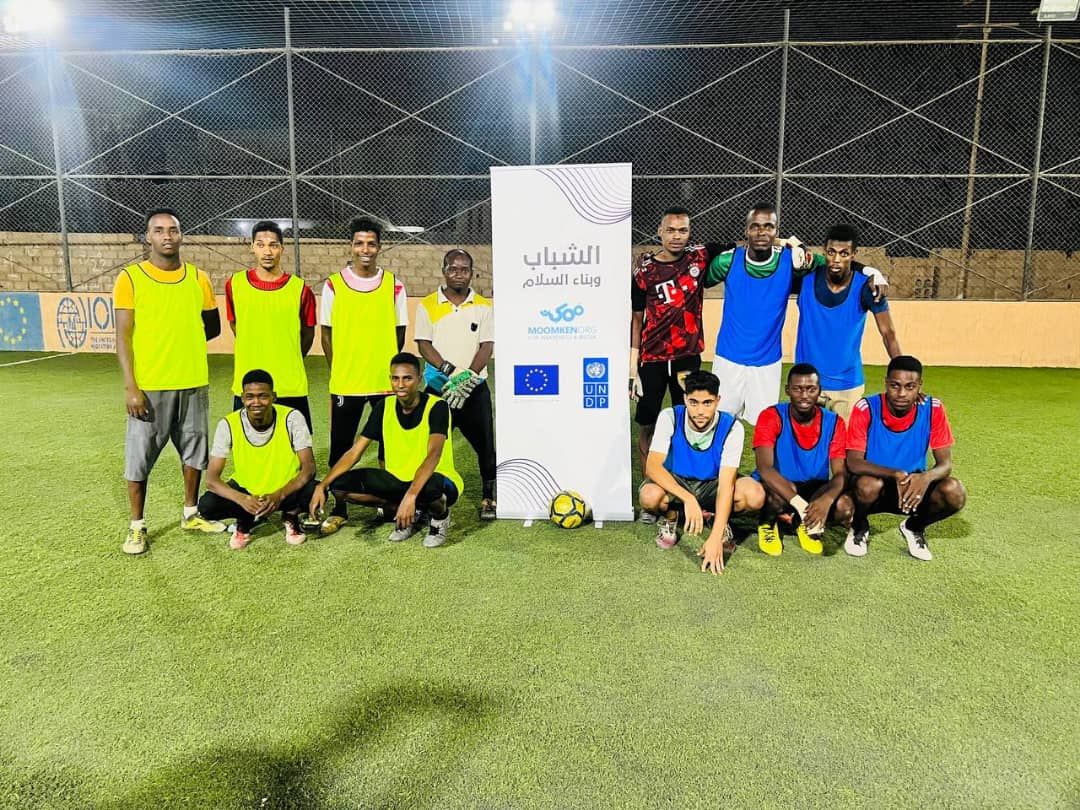
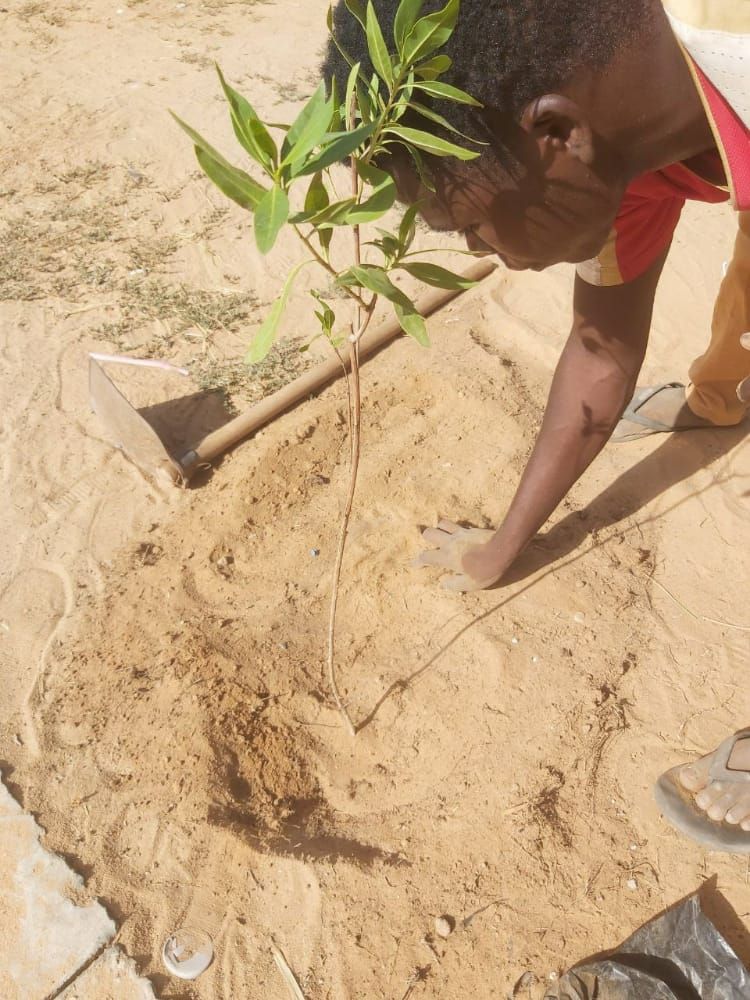
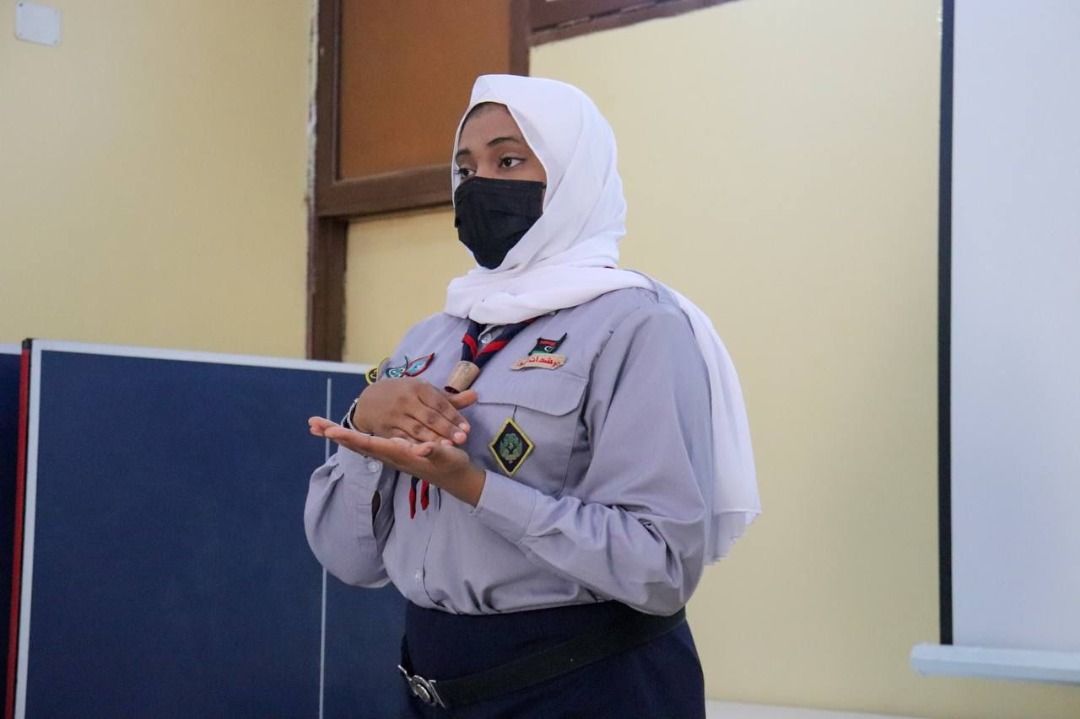
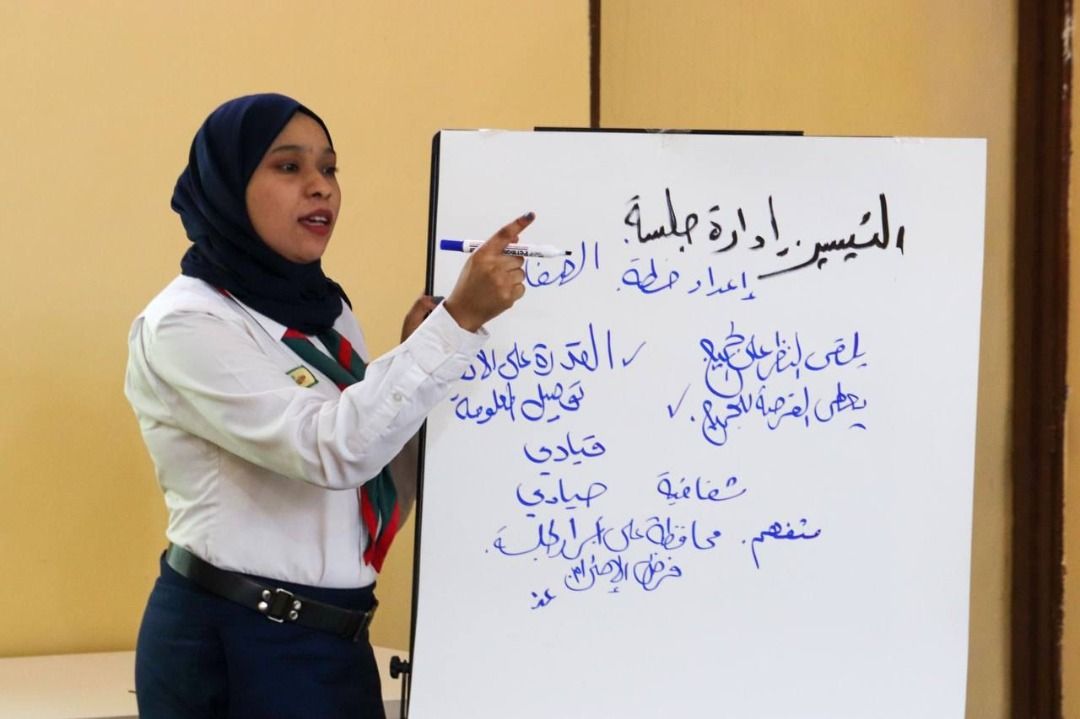
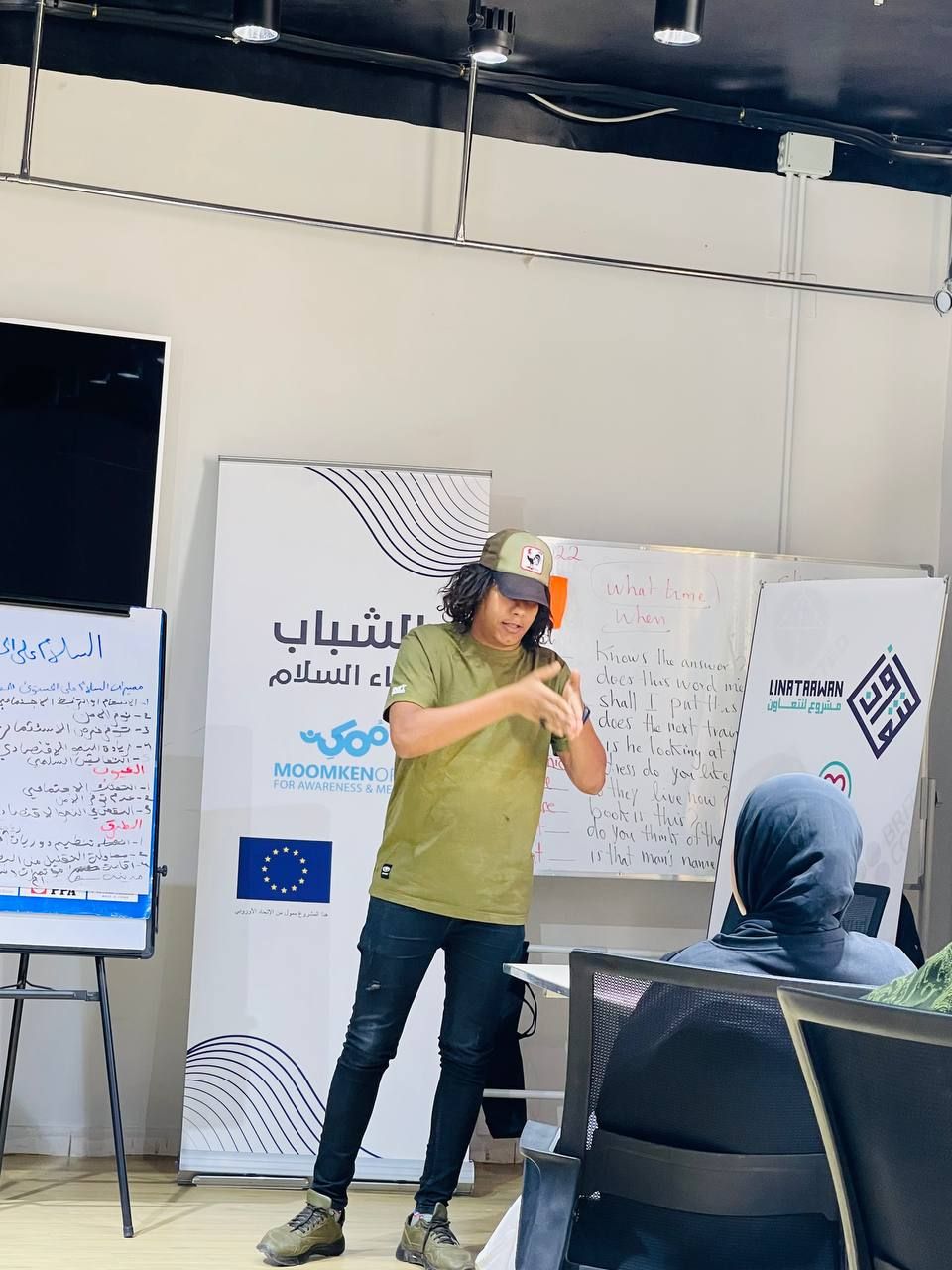
In collaboration with the United Nations Development Programme (UNDP), the Youth and Peacebuilding project aims to build a positive peace among all groups in the city of Sabha and to engage them in decision-making, particularly within the municipal committee. To achieve this, Moomken approached the municipal councils in Sabha to present the project’s goals and asked them to recommend a list of active groups in the area.
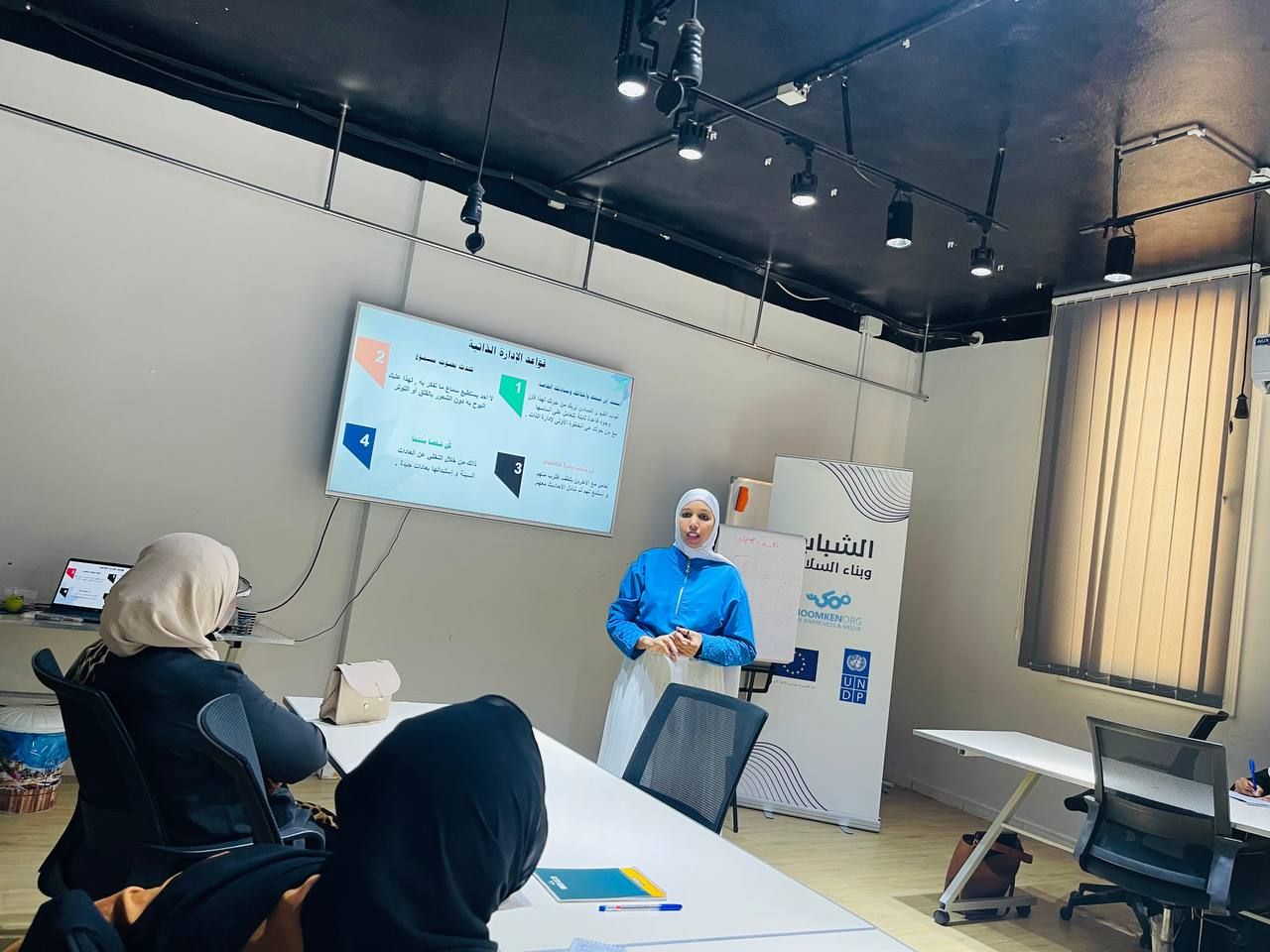
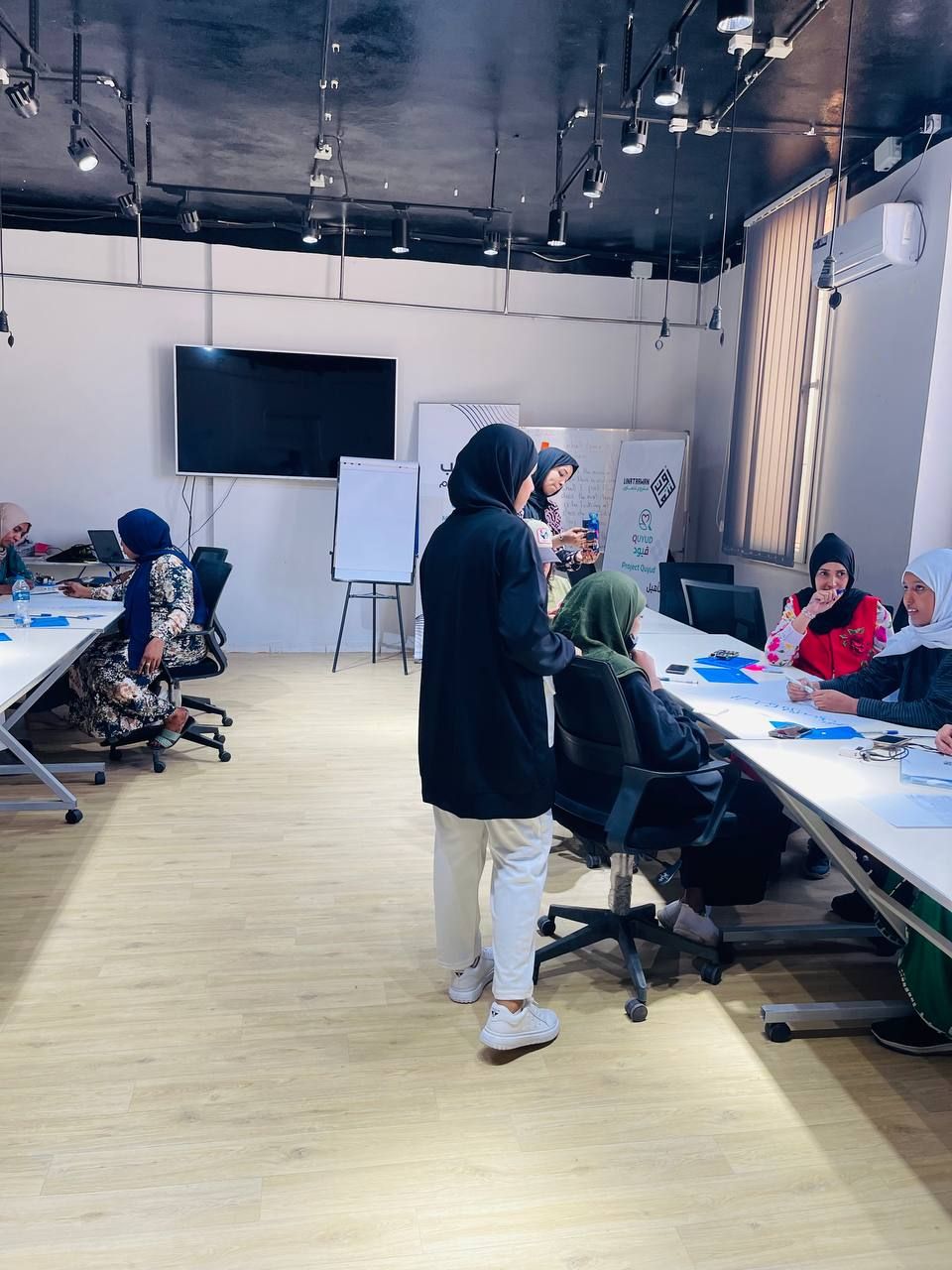
In parallel, the project team invited active individuals from the targeted groups — women, youth, internally displaced people, migrants and people with disabilities — to apply through an online form published across Moomken’s platforms. Based on the selection criteria, 30 applicants were chosen to attend online training in facilitation skills, dialogue and its role in peacebuilding, and conflict survey and analysis.
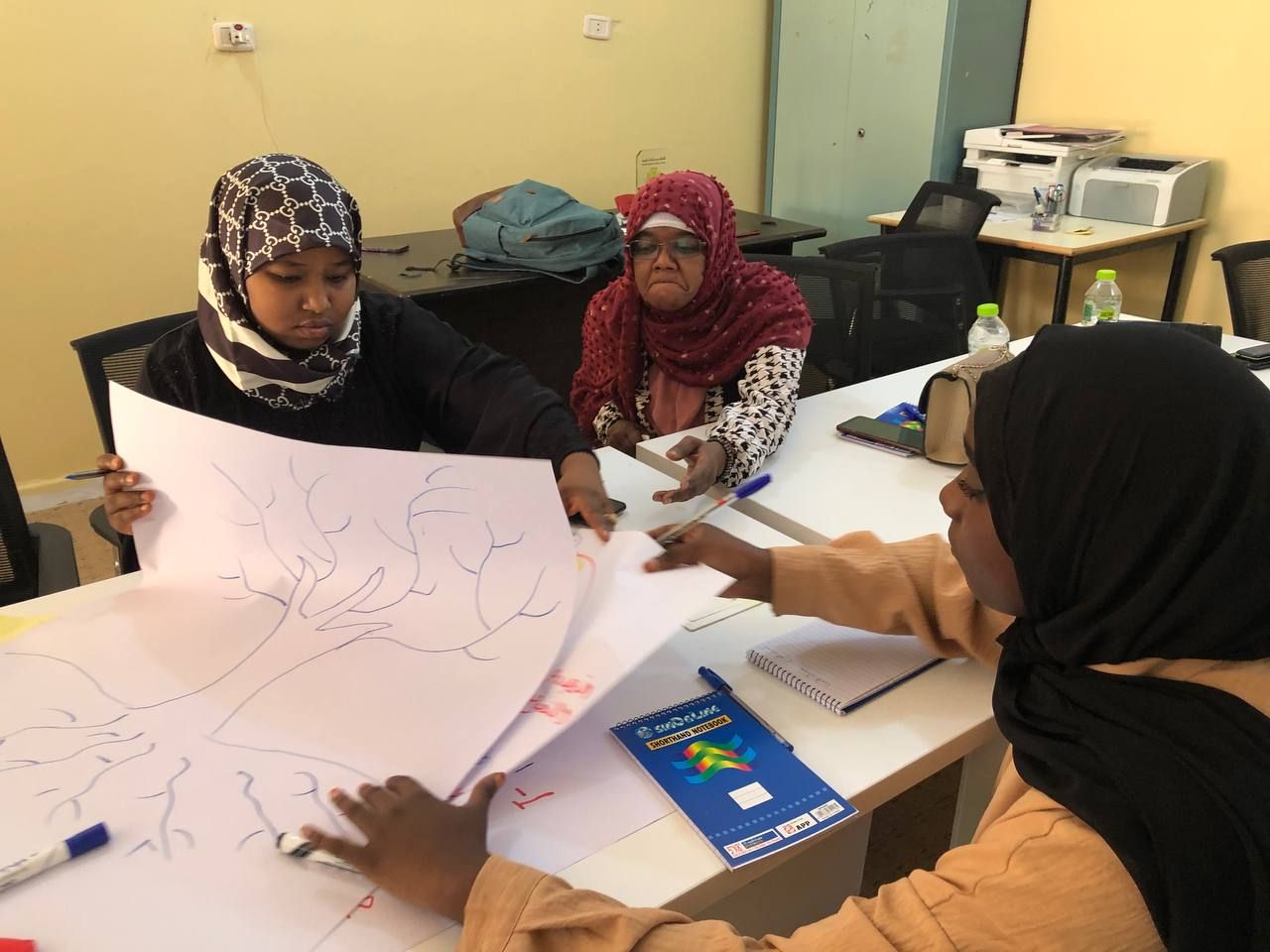
Afterward, there was an assessment phase in which the project team evaluated the trainees in order to select 10 of them to attend six days of in-person training workshops on advocacy, conflict mapping using the MSTC tool, and dialogue sessions facilitation. Following the in-person training that the participants had received on the three topics concerning Peacebuilding, each participant presented ideas of mini-activities they had prepared as a result of the knowledge gained.
The project team worked hand in hand with every participant to organize their proposed initiatives, aiding them with the financial knowledge and the templates needed to carry out the activities. At the end of September 2022, a total eight of micro-activities were conducted in Sabha, with three of the participants forming a collaboration to implement their activity.
Security issues breaking out a day before the arrival of the participants from Sabha to Tripoli, which made it difficult for them to arrive early and caused them to change routes. However, project team was in constant communication at the time to make sure they arrive safely.
- Booking flights for the participants to make their departure. Half of the participants took road transport considering their previous complaint that the road was tiresome due to the distance between the two cities.
- One of the selected participants got sick and couldn’t attend at the last minute. Project team has contacted the next candidate to reach the target of ten participants.
- The project budget did not cover the companions’ transportation fees for female participants, Moomken had covered the expanses along with the accommodation fees to ensure the participations of all selected participants.
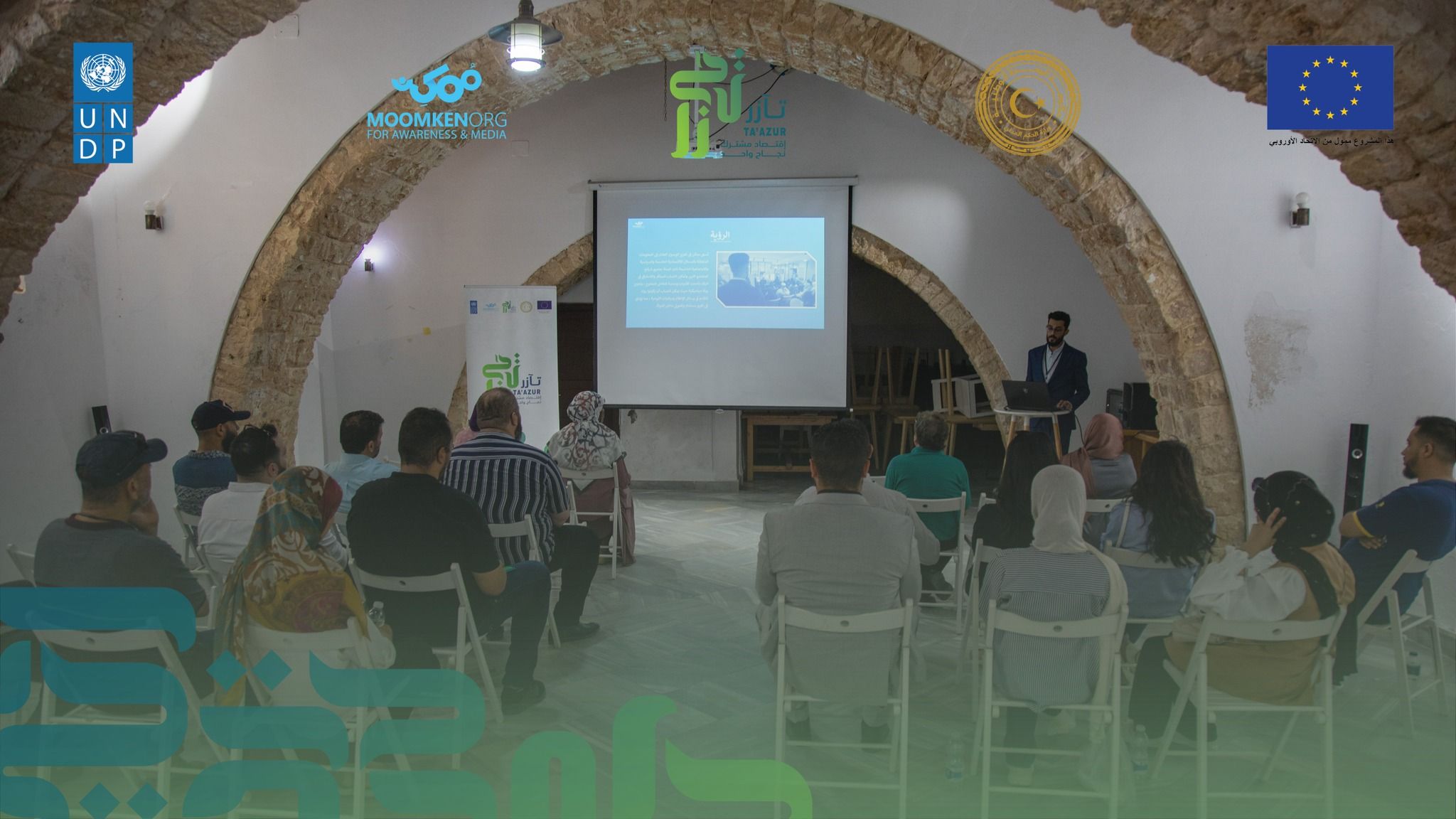
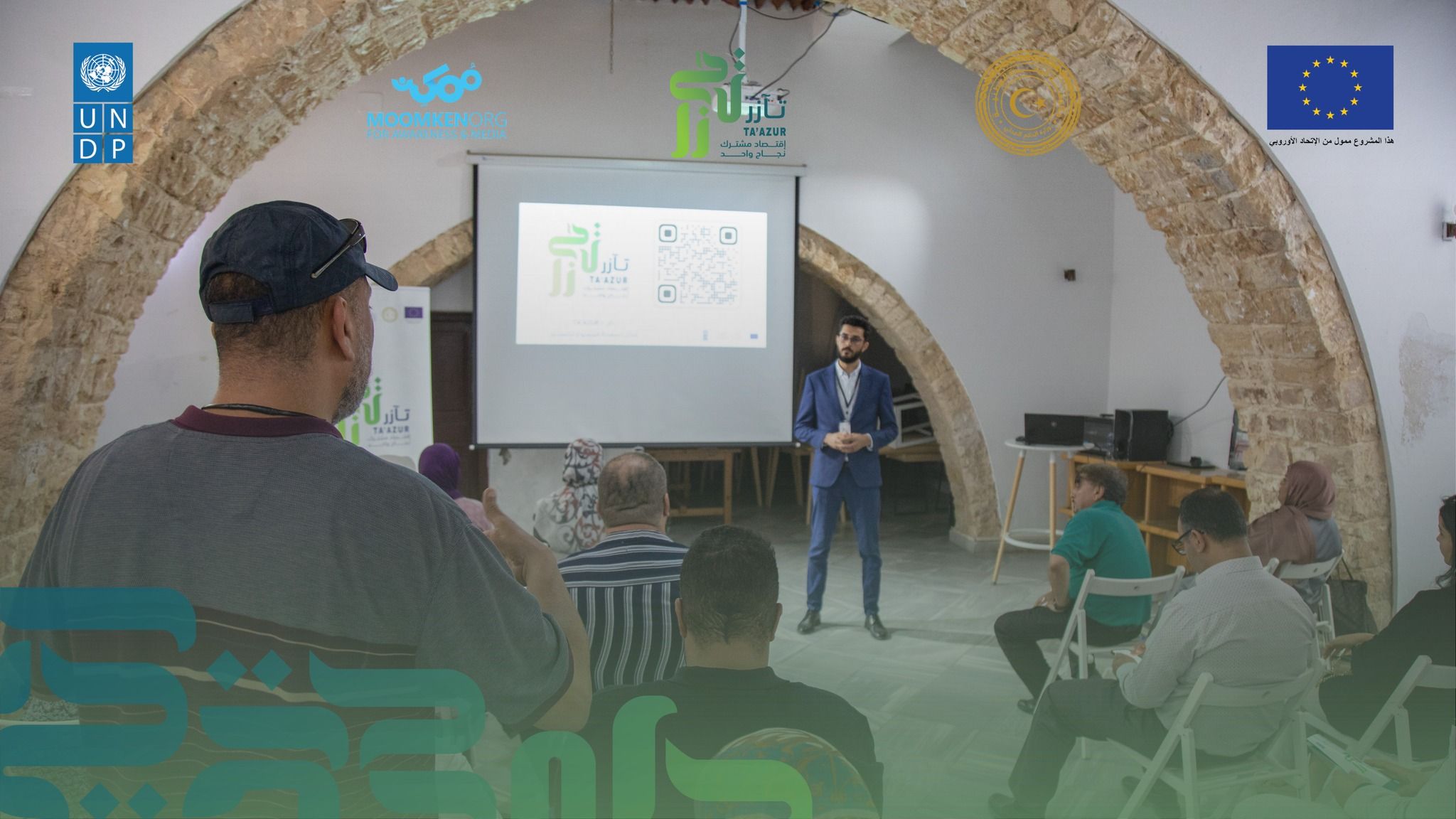
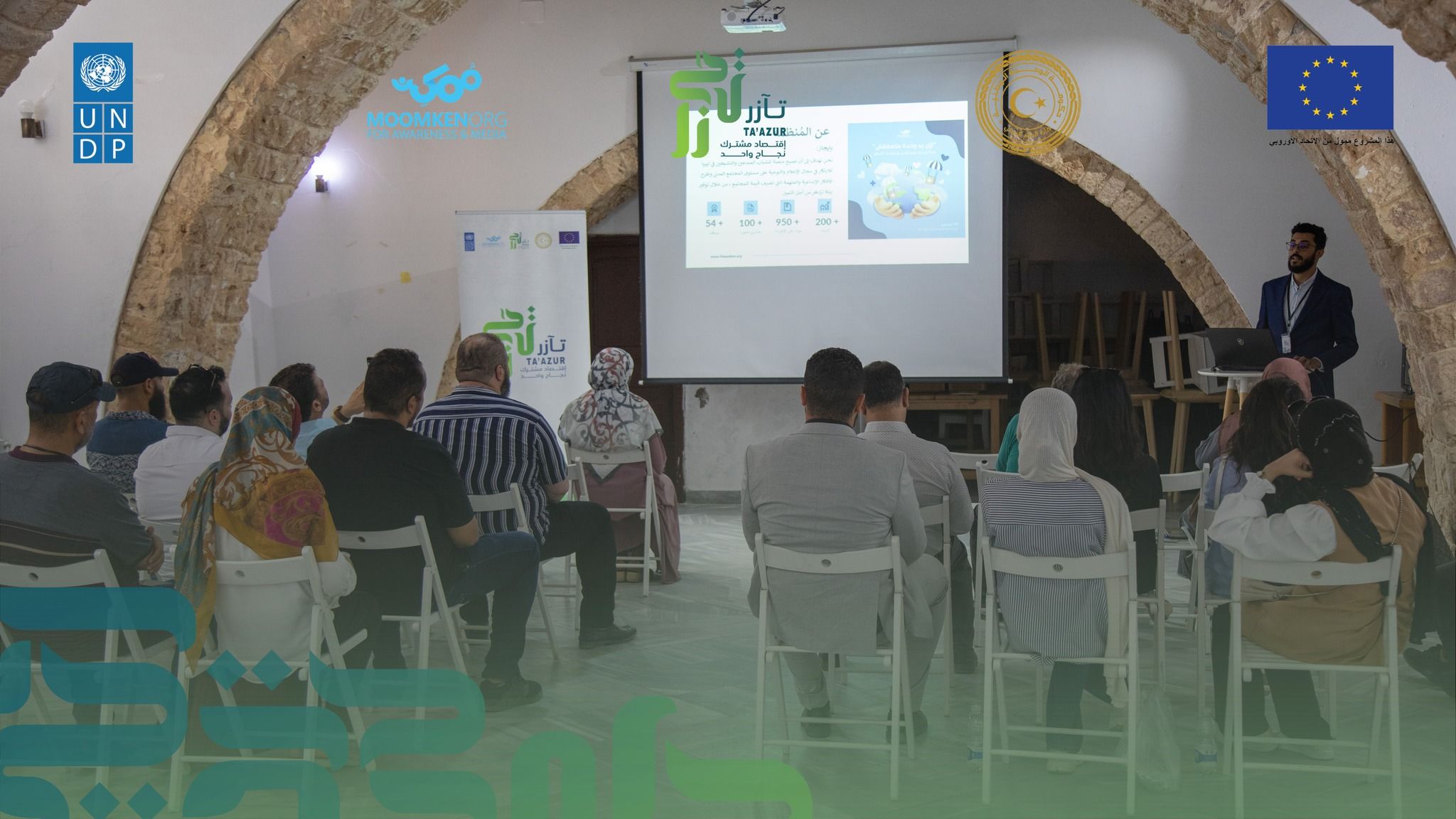
Ta’azur
Introduction
The southern region of Libya has historically been the least economically developed area, with many cities lacking basic services. This underdevelopment has been exacerbated by prolonged periods of conflict since 2011. The agricultural sector holds potential for the region's development.
Challenges such as inadequate water and market infrastructure, limited access to quality agricultural inputs and tools, low engagement of farmers in value-added activities, price fluctuations, lack of loans and credit, and inadequate extension services hinder agricultural production.
Goals and Beneficiaries
Additionally, Moomken has offices in three of the targeted areas: Tripoli (Moomken's headquarters), Sabha, and Benghazi. These offices will facilitate outreach efforts to local civil society organizations and serve as bases for providing additional support if required. Preference will be given to CSOs with prior experience in engaging and implementing programs for vulnerable populations.
The project aims to address the needs of various vulnerable populations, including women, youth, migrant communities, internally displaced persons (IDPs), returnees, and ethnic/linguistic minorities. While the implementing CSOs will directly engage with these populations, Moomken will provide guidance based on its own experience working with these groups in diverse projects, including livelihood assistance initiatives.
Project Design
This activity involves conducting a comprehensive evaluation of each Civil Society Organization (CSO). The assessment identifies the organization's capacities, skills needs, and understanding of local livelihoods and economic sectors. The results of this assessment will inform the level of support and monitoring each CSO requires.
These are events designed to assist CSOs in developing their full proposal packages. CSOs are given the opportunity to receive in-person guidance, which can help them create more effective and targeted proposals for their projects.
In this activity, CSOs are selected to participate in the program based on their proposal submissions and a set of selection criteria. The selected CSOs are then notified and contracts are signed, formalizing their participation in the program.
During the training period, the Procurement Manager acquires assets identified in the assessment and proposals. These assets are then distributed to the CSOs as livelihood support grants, providing them with the resources they need to implement their projects.
This activity involves continuous support and monitoring of the CSOs throughout the project implementation period. Local staff provide this support, ensuring that the CSOs are effectively implementing their projects and addressing any issues that may arise.
At the end of the project, a Collective Impact Assessment is conducted. This assessment evaluates the impact of the project on local livelihoods in each community, providing valuable insights into the project's effectiveness and areas for future improvement.
Apply For Proposal

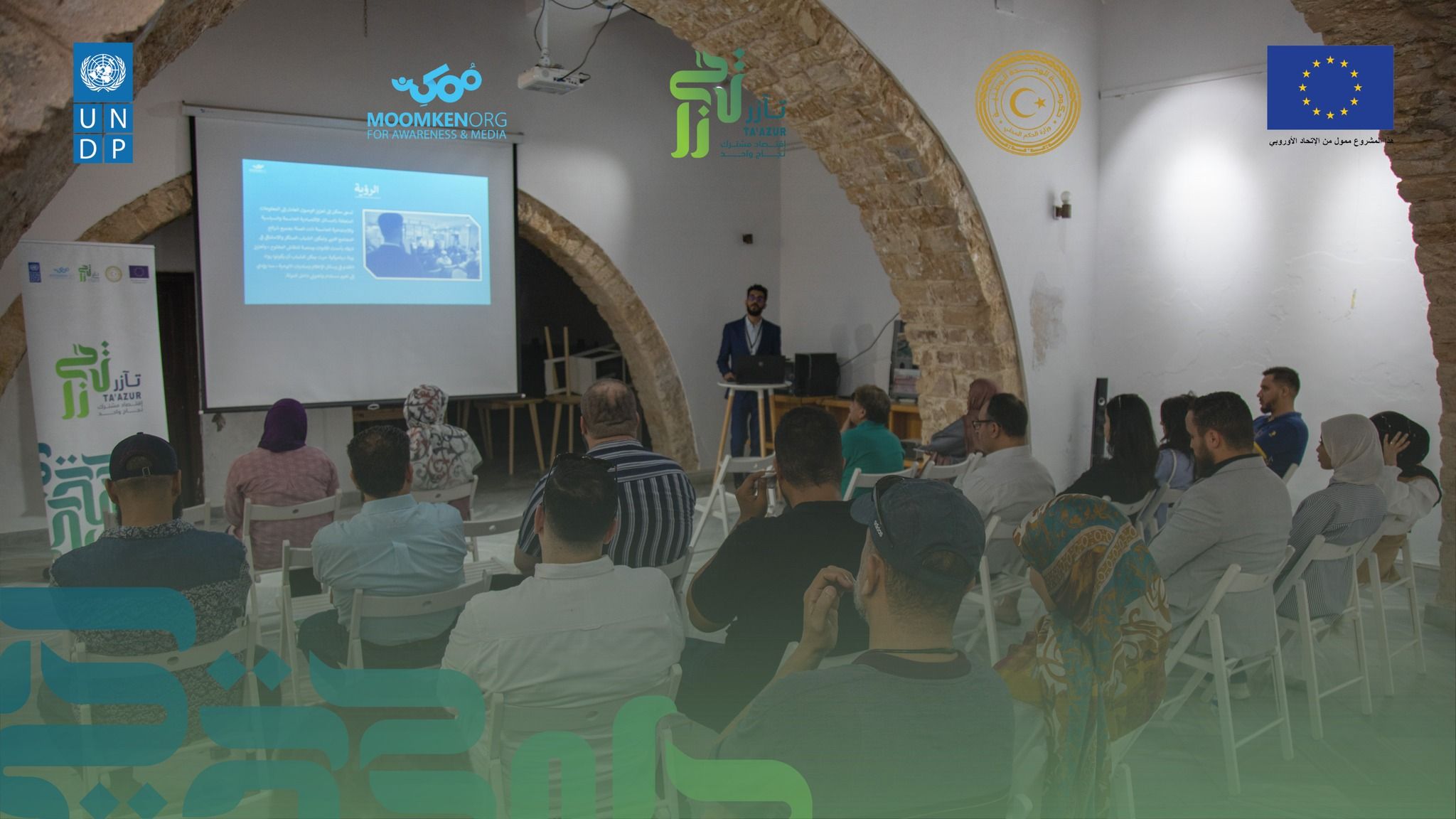
Youth Lead Peace
Overview
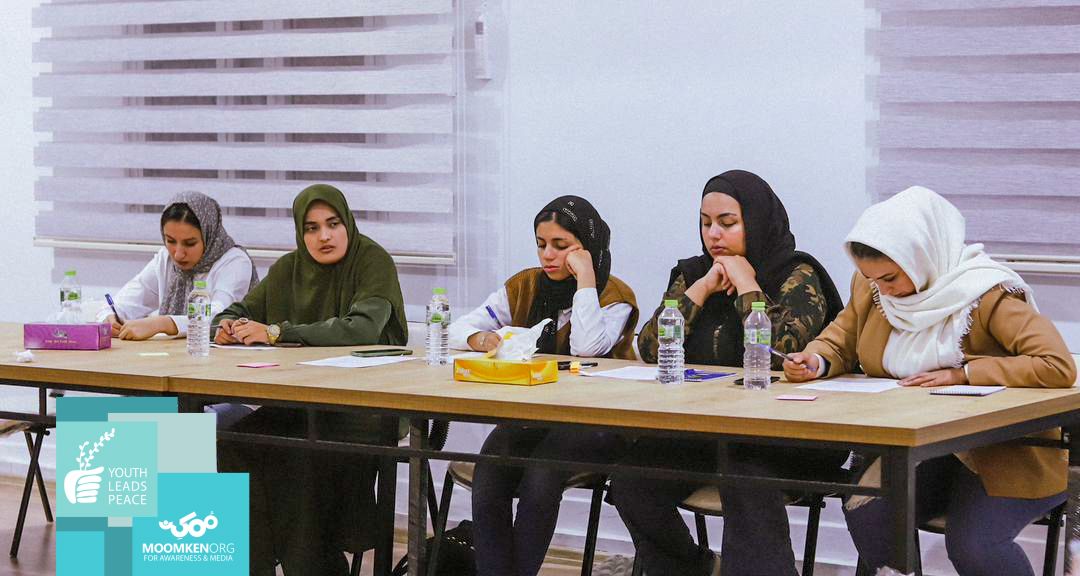
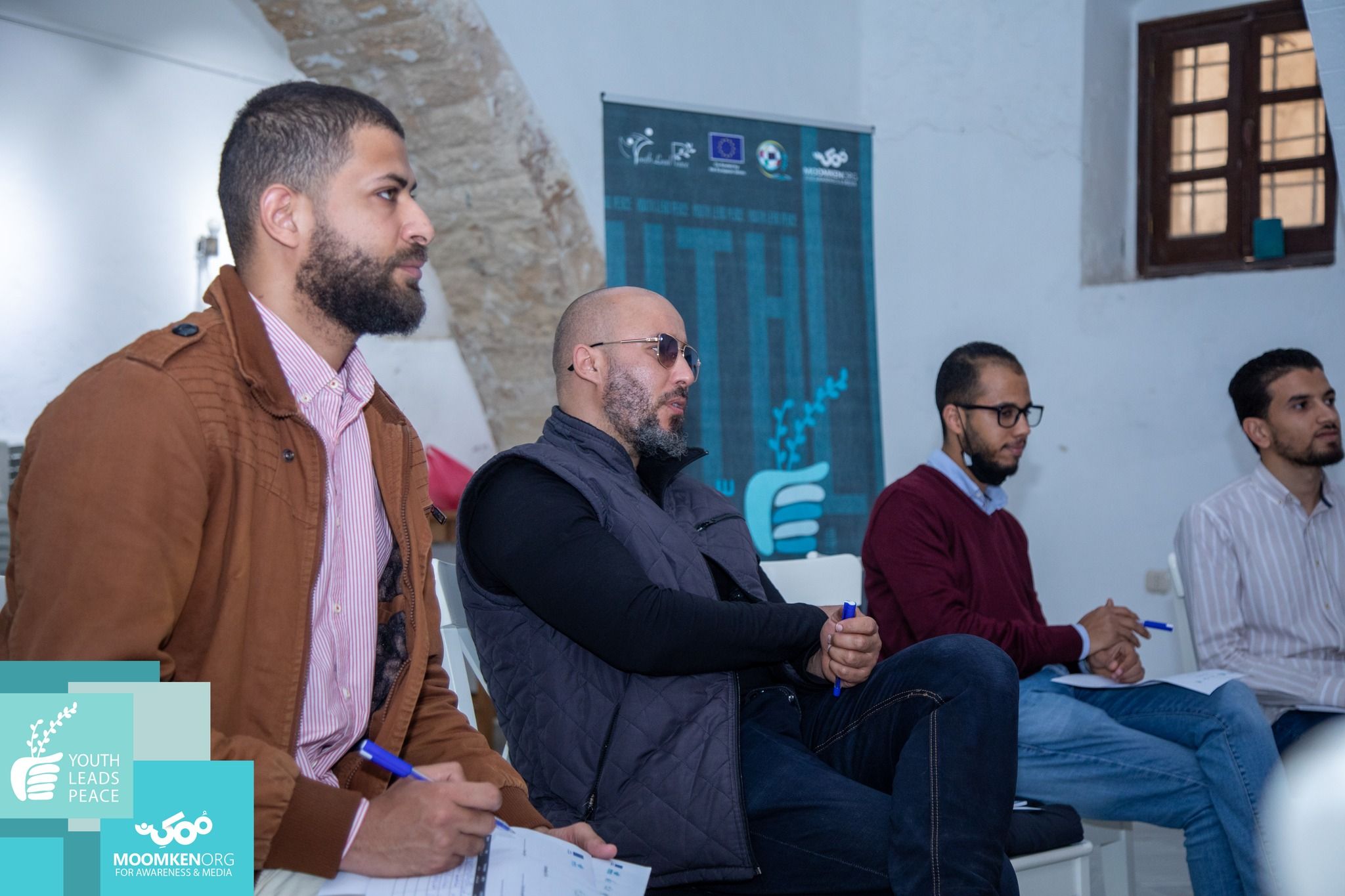
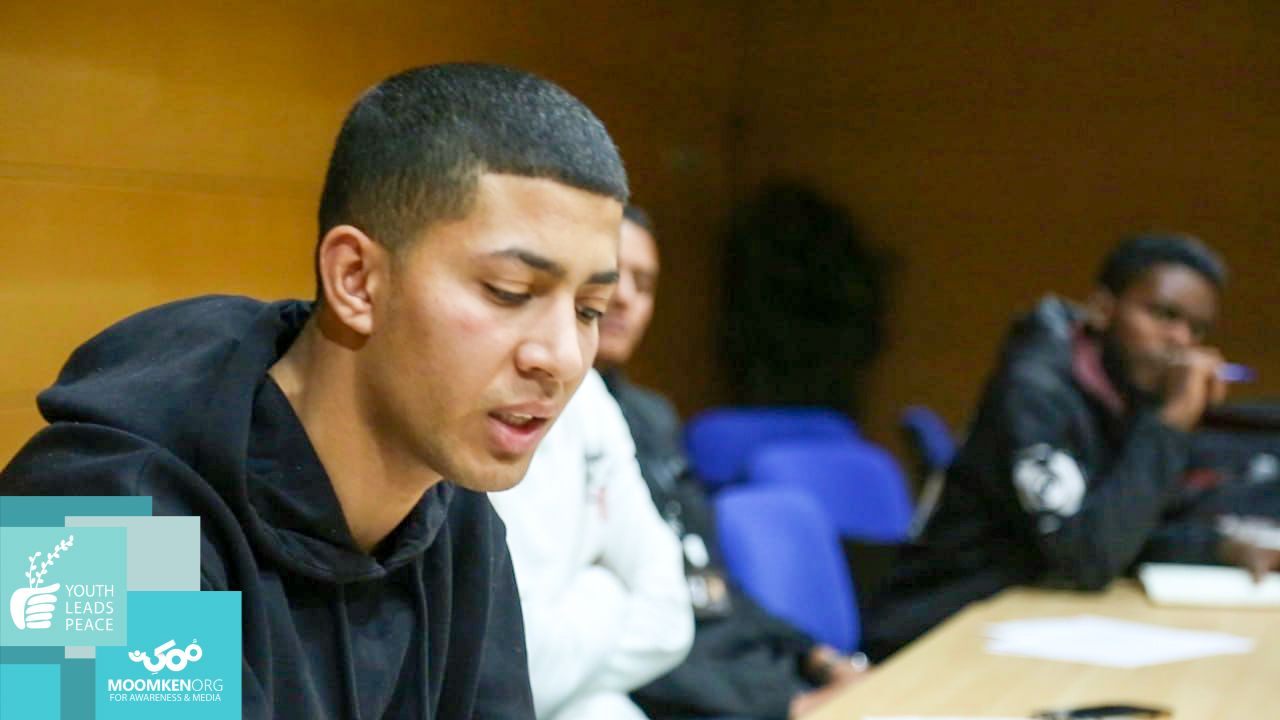
A project aimed at integrating and involving young people in peacebuilding and security, Based on the United Nations Security Council Resolution 2250 on Youth, Security and Peace by providing a platform for dialogue, exchange of views and promotion of human rights in their communities.
This project is implemented within the Erasmus + program, which aims to create joint programs with other participating countries in addition to holding international meetings, such as local workshops, which will last for one year from different participating countries.
Youth from 8 different countries representing 8 civil society Organization participated in this edition: (Moomken – Libya, Aver – Tunisia, witness – Palestine, Fighters for peace – Lebanon, Ases - Spain, Aichem – Italy, Culture Goes Europe – Germany, Insa Rouen – France).
Training on human rights was held in Djerba Tunis from 31 October 2022 to 5 November 2022, with each organization providing awareness-raising initiatives on human rights when returning to their countries.
Walking Safely to school
Overview
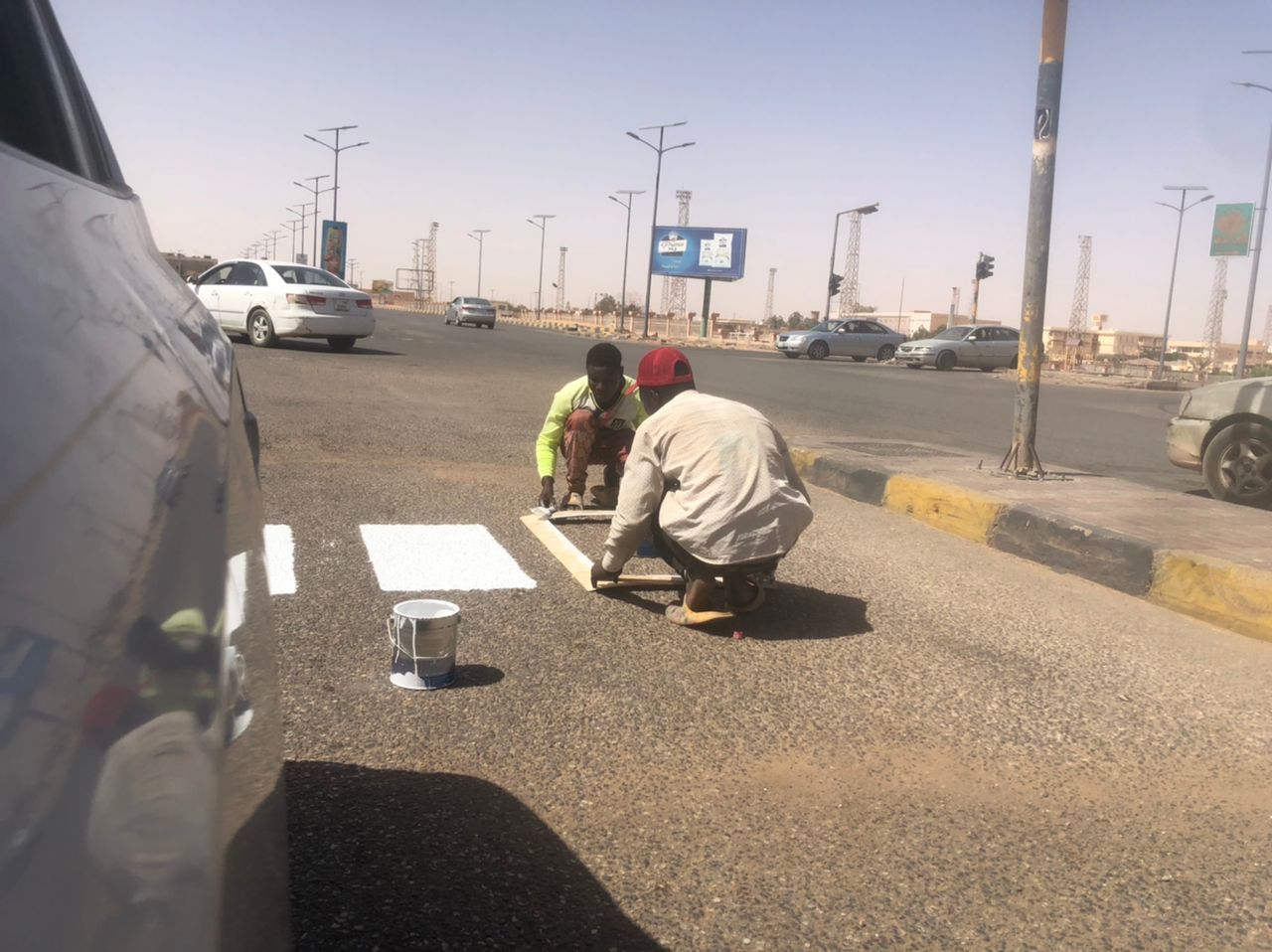
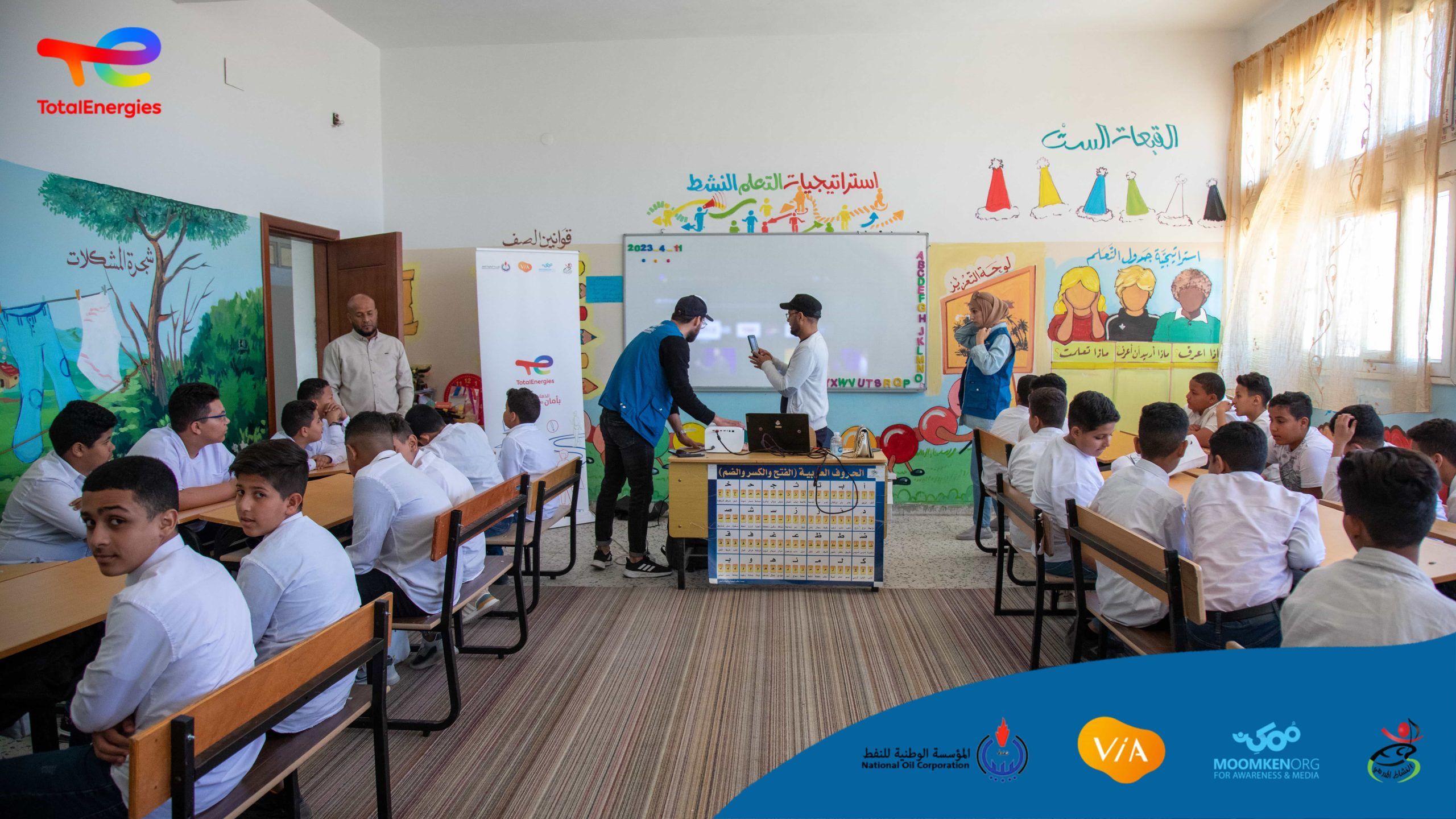
The project is aimed at increasing awareness among young people in Libya about safe mobility, with a focus on walking safely to school and crossing roads safely. The project targets 40 schools in Tripoli and aims to directly benefit 2000 children from primary and high schools. The project also seeks to indirectly benefit teachers, parents, and community members.
Main goals
The main goals of the project are to increase awareness among young people about safe mobility, motivate them to create a poster to compete in a local competition between the 40 schools the winning after that the winning poster will become the safe mobility ambassador to compete in VIA International competition.
Stages and Current Step
The project consists of several stages, including a TOT training program for 20 future trainers, a pilot session for 25 young people, awareness sessions for 2000 young people on safe mobility, a national competition, and VIA international competition.
- Coordination with schools is challenging due to the end of the academic year approaching.
- Some school principals may be hesitant to participate in the campaign due to past negative experiences with other organizations.
- Ensuring that highly competent trainers are selected to effectively deliver the campaign's message to students.
- The campaign's progress has been adversely affected by the lack of coordination between the activity office in the municipality and the nominated schools, resulting in delays.
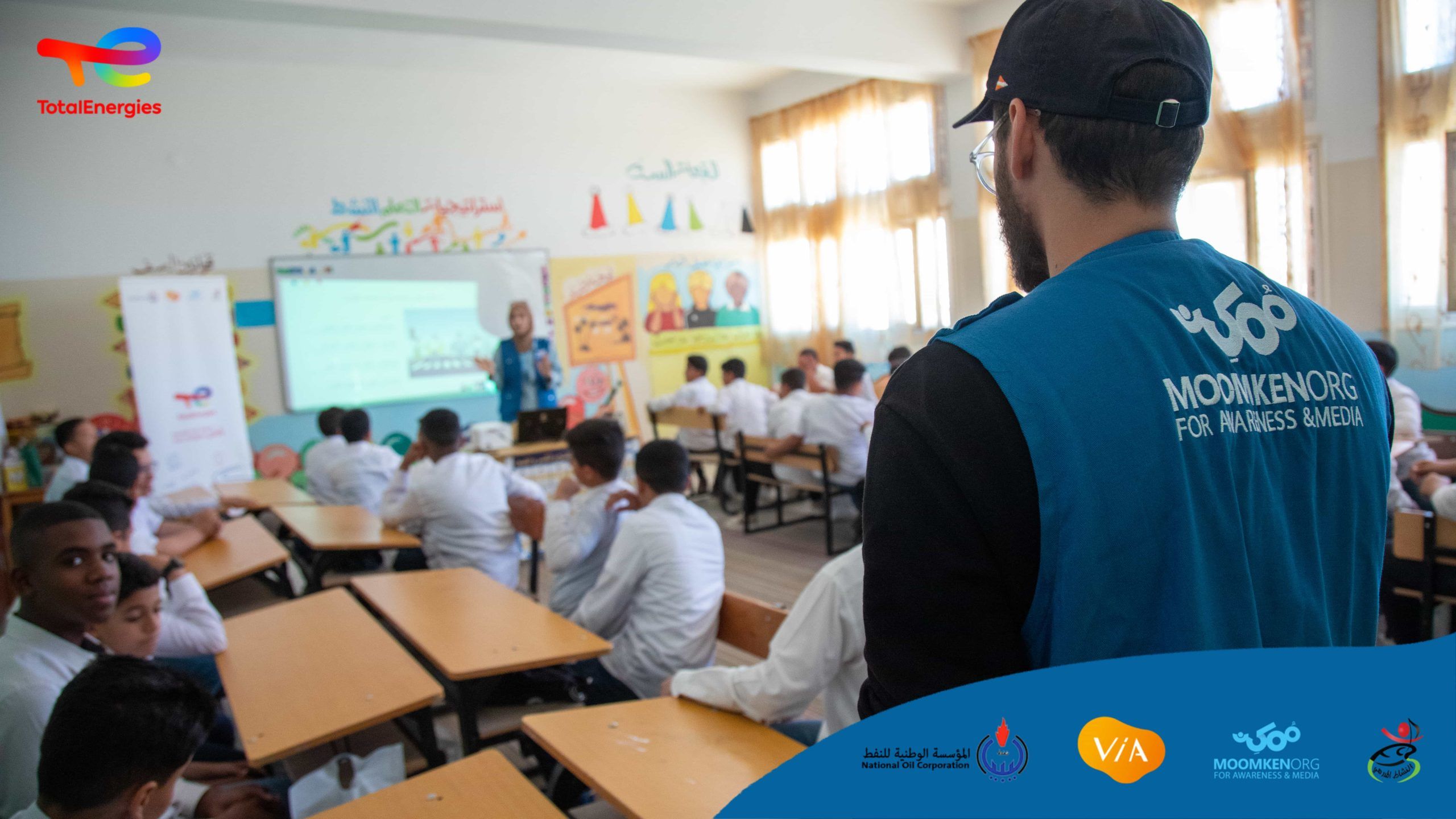
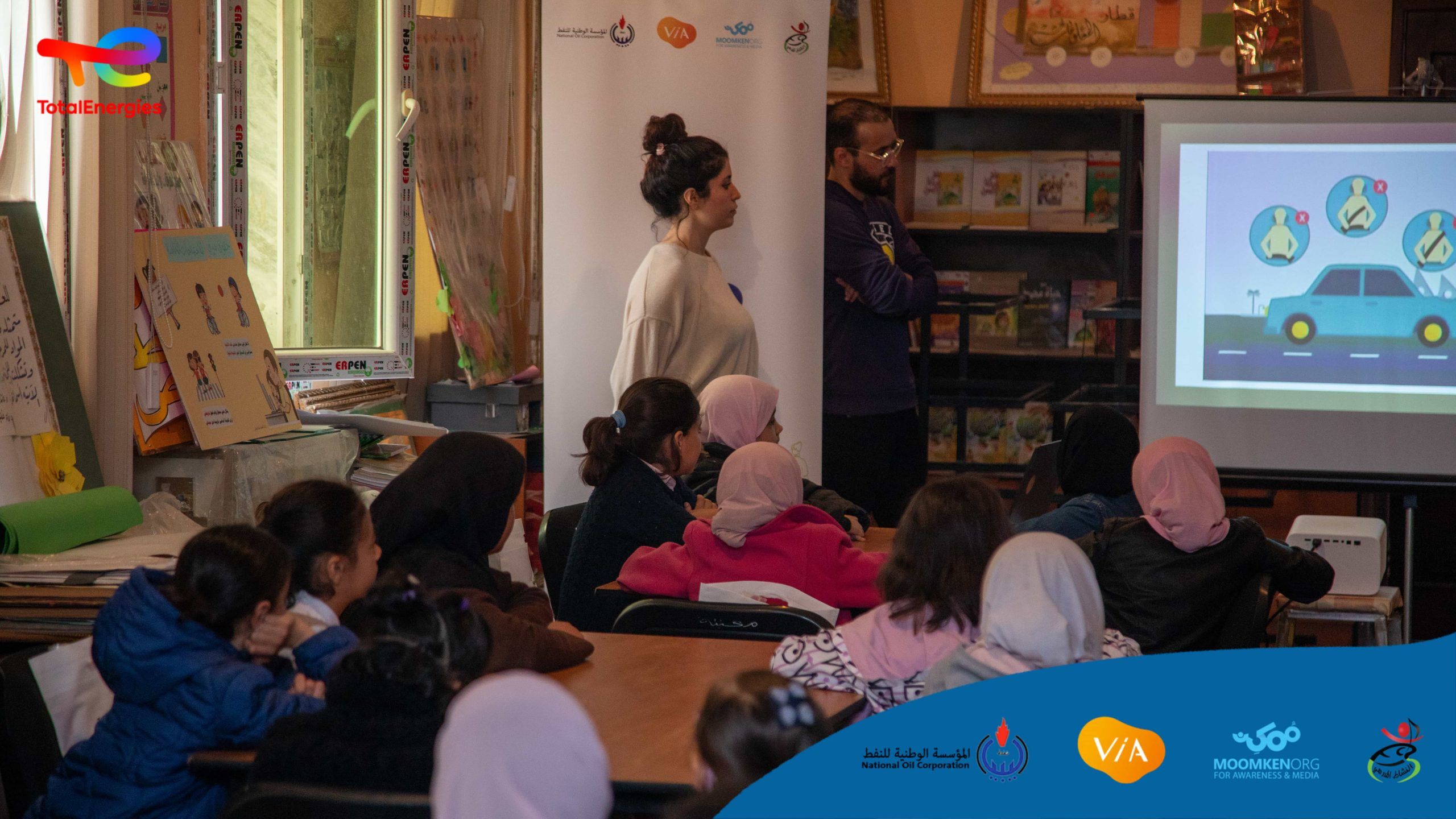
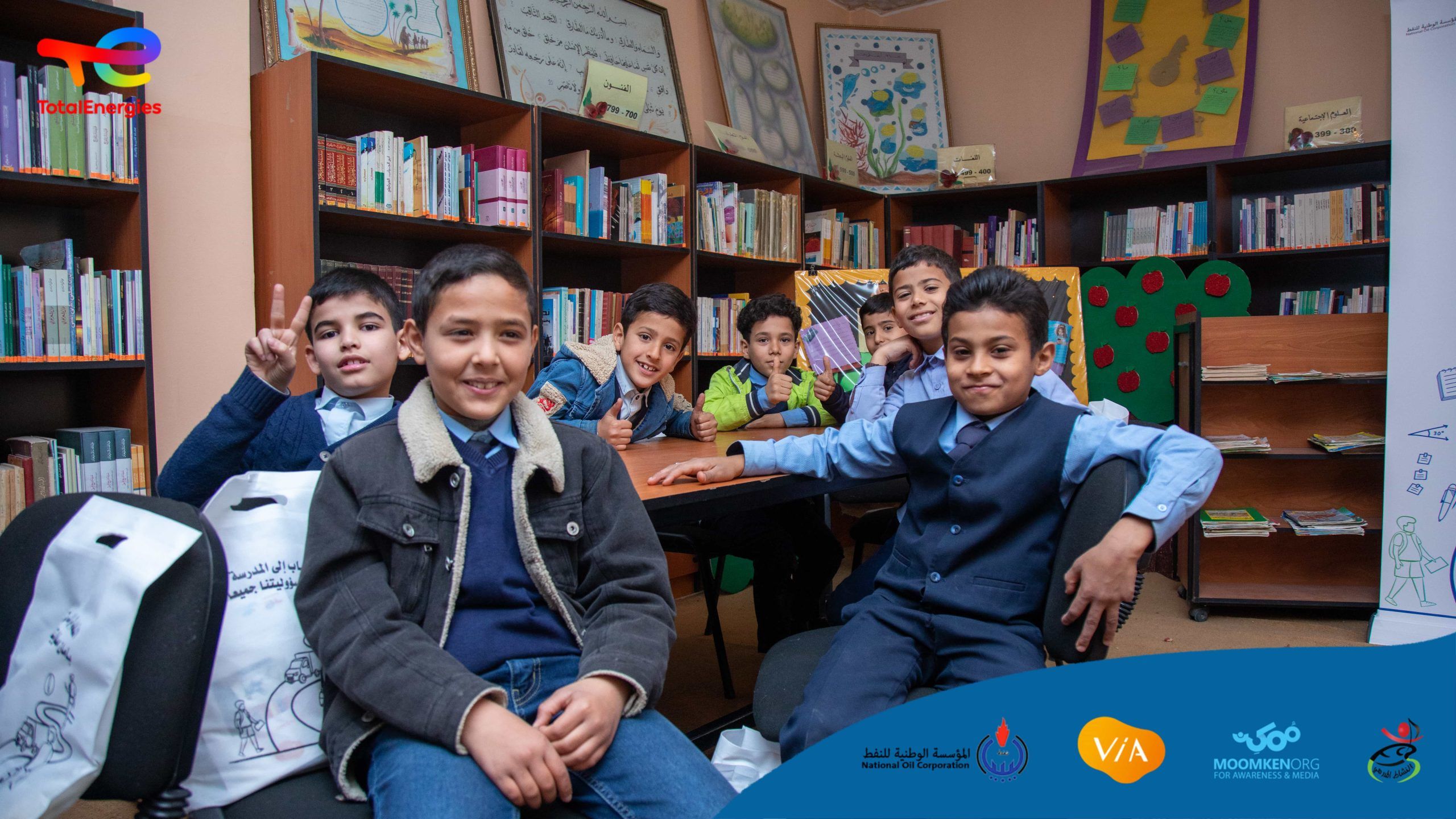
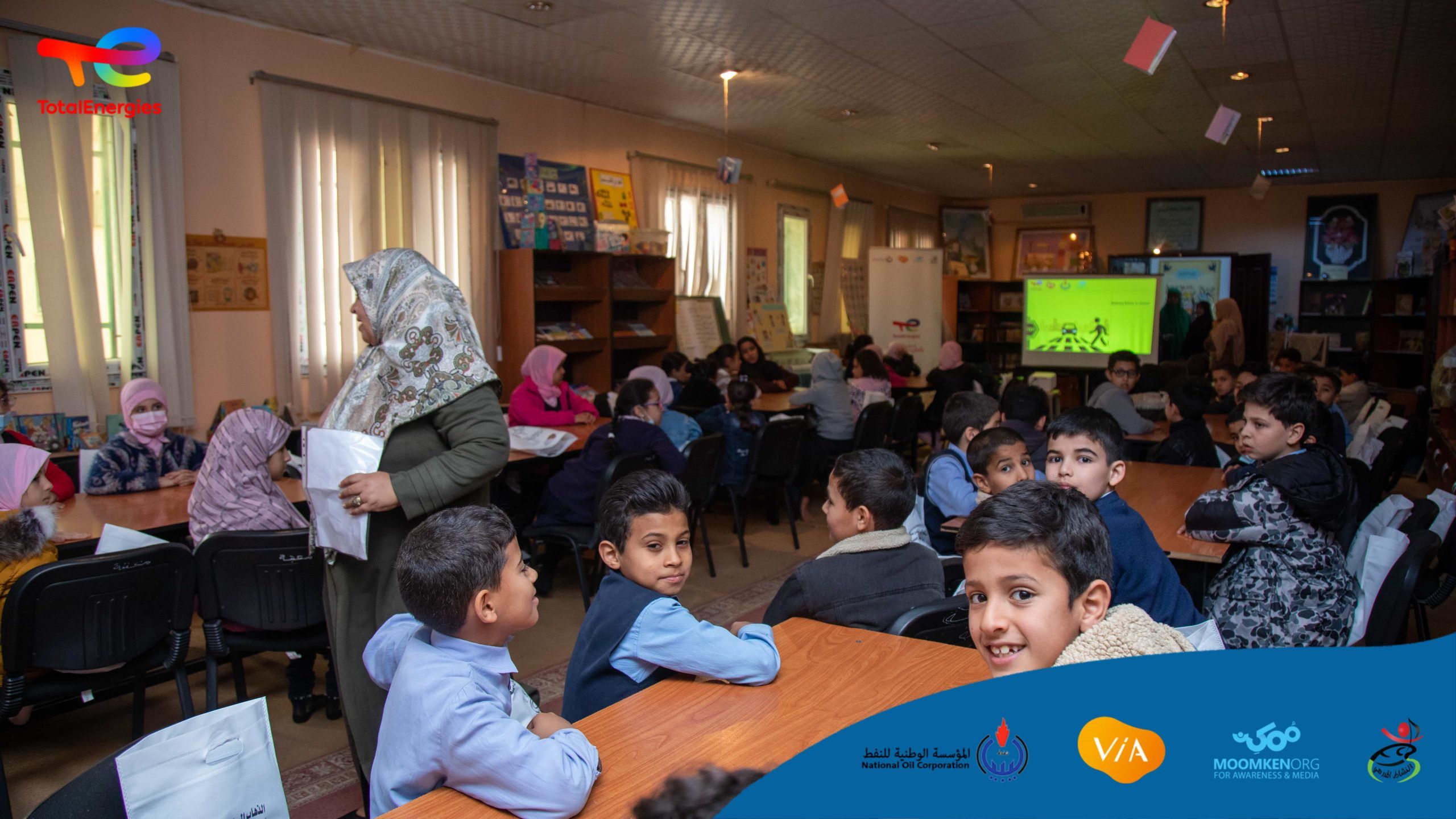
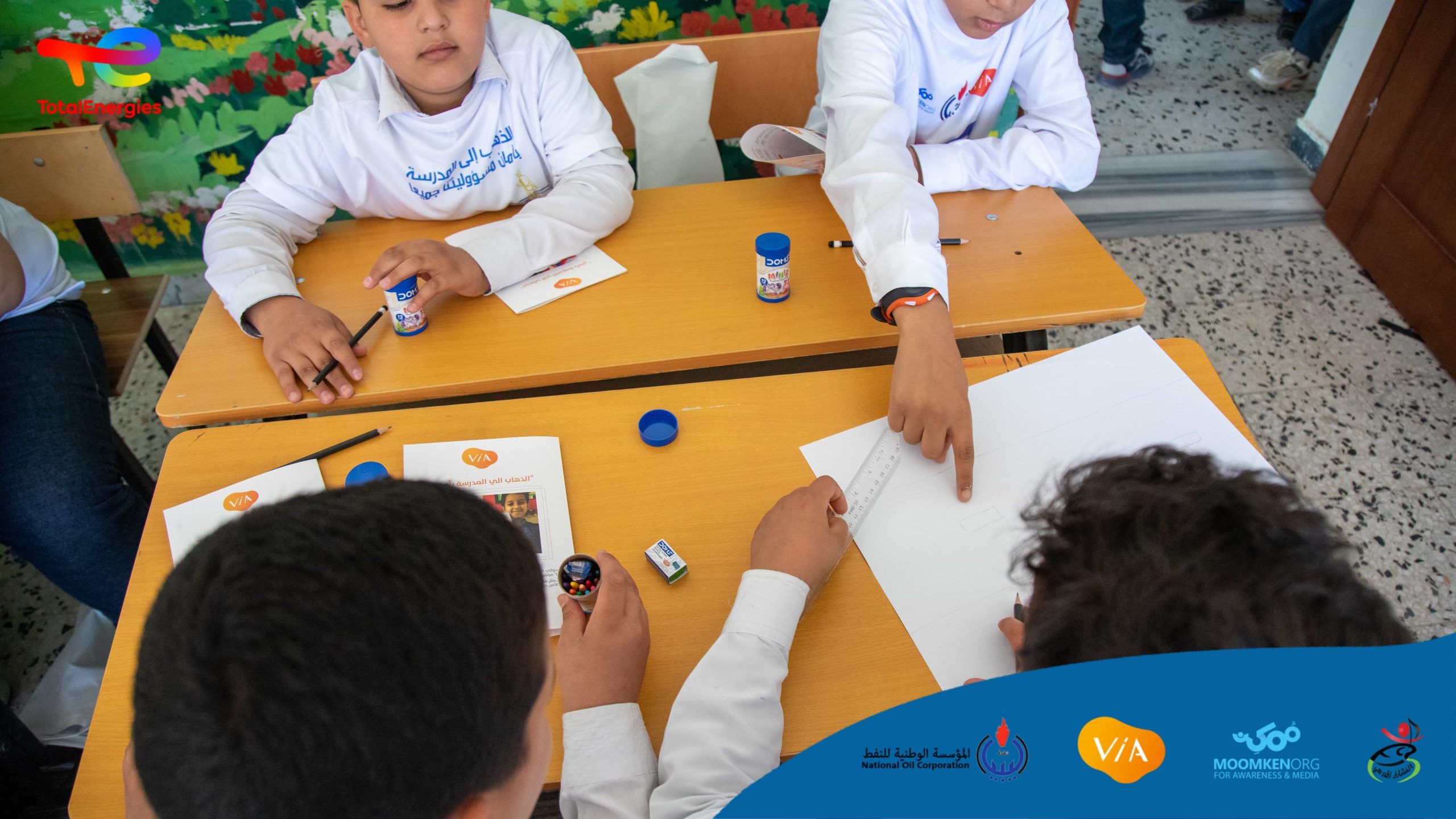
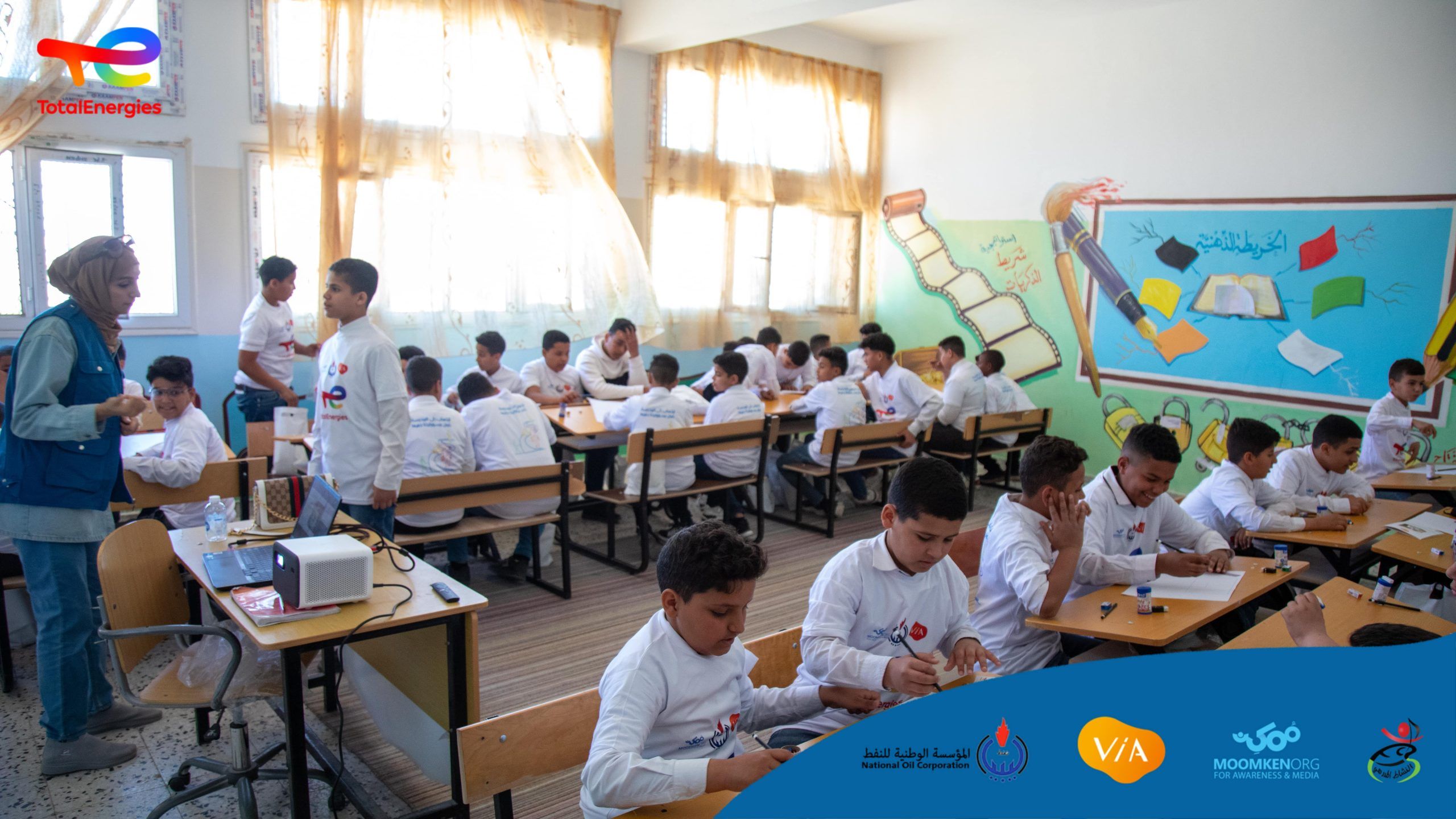
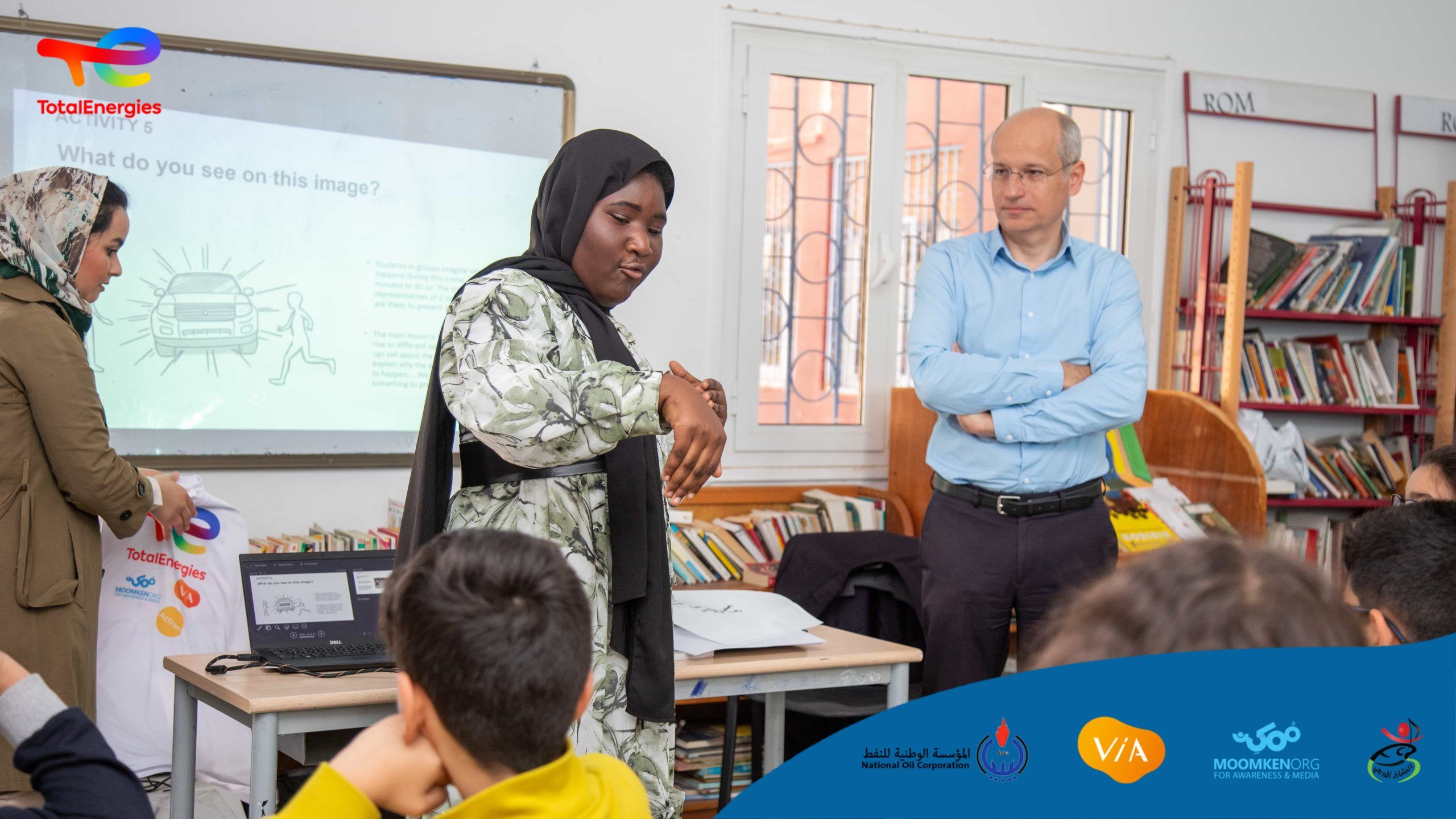
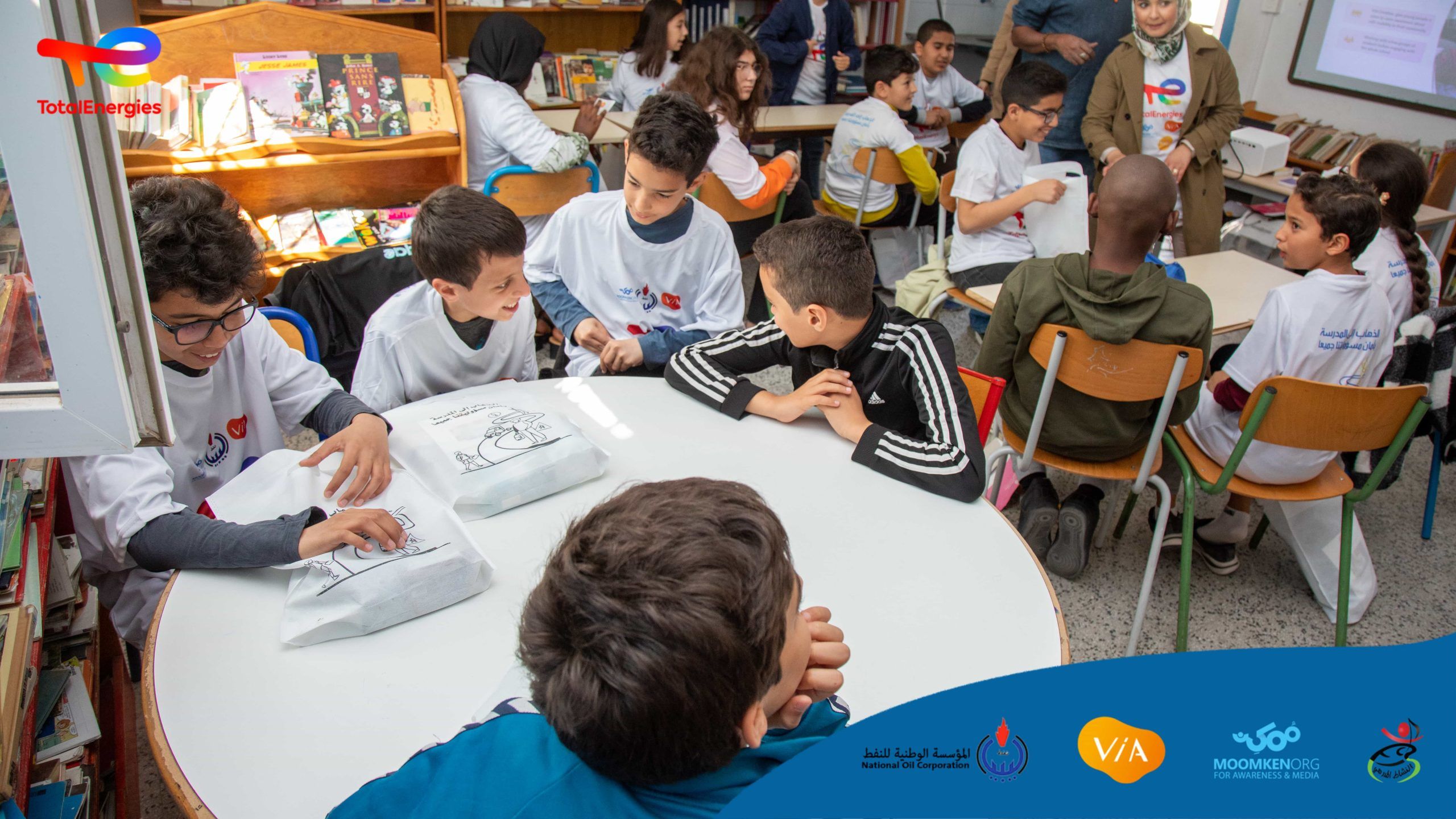
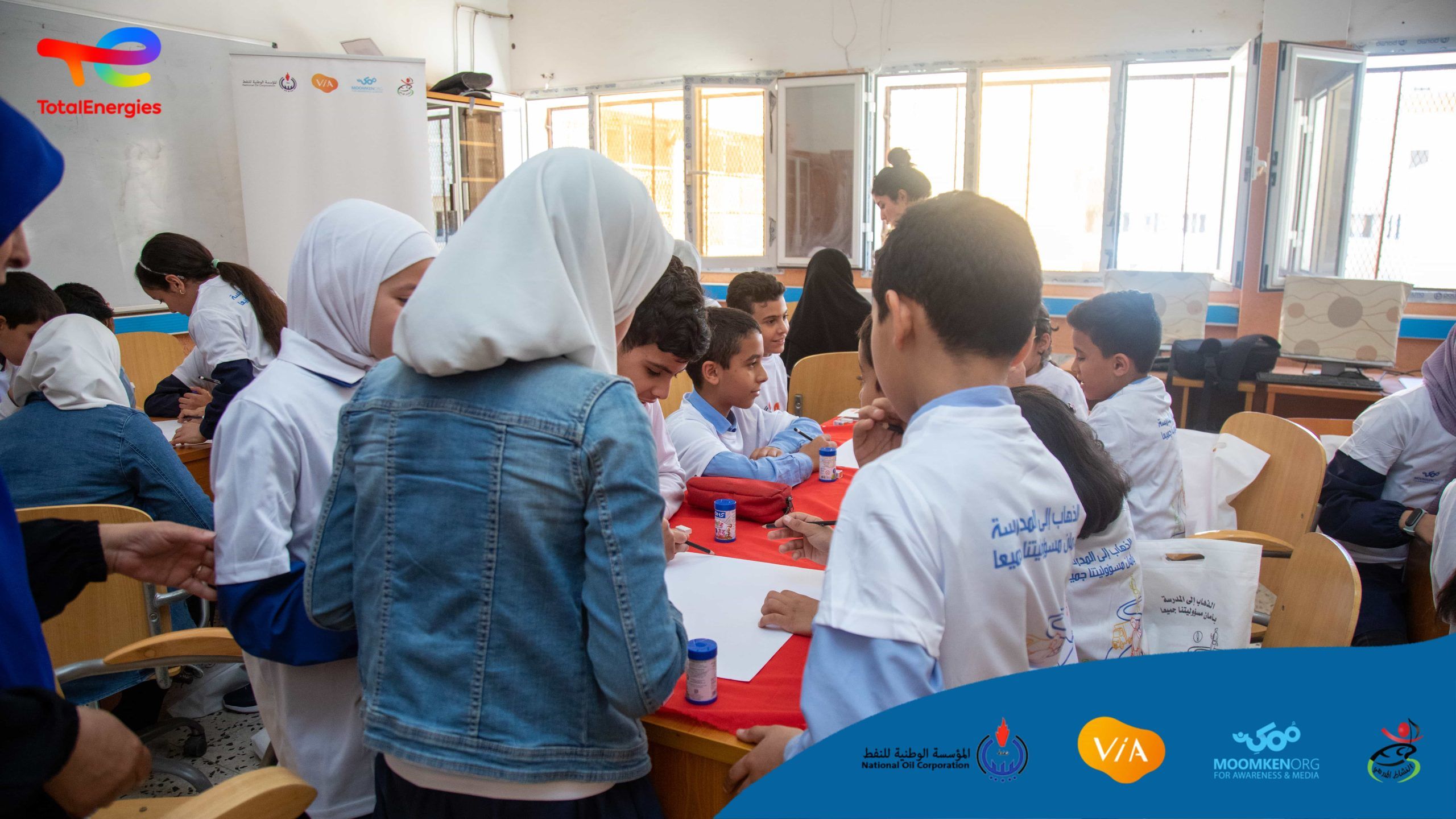
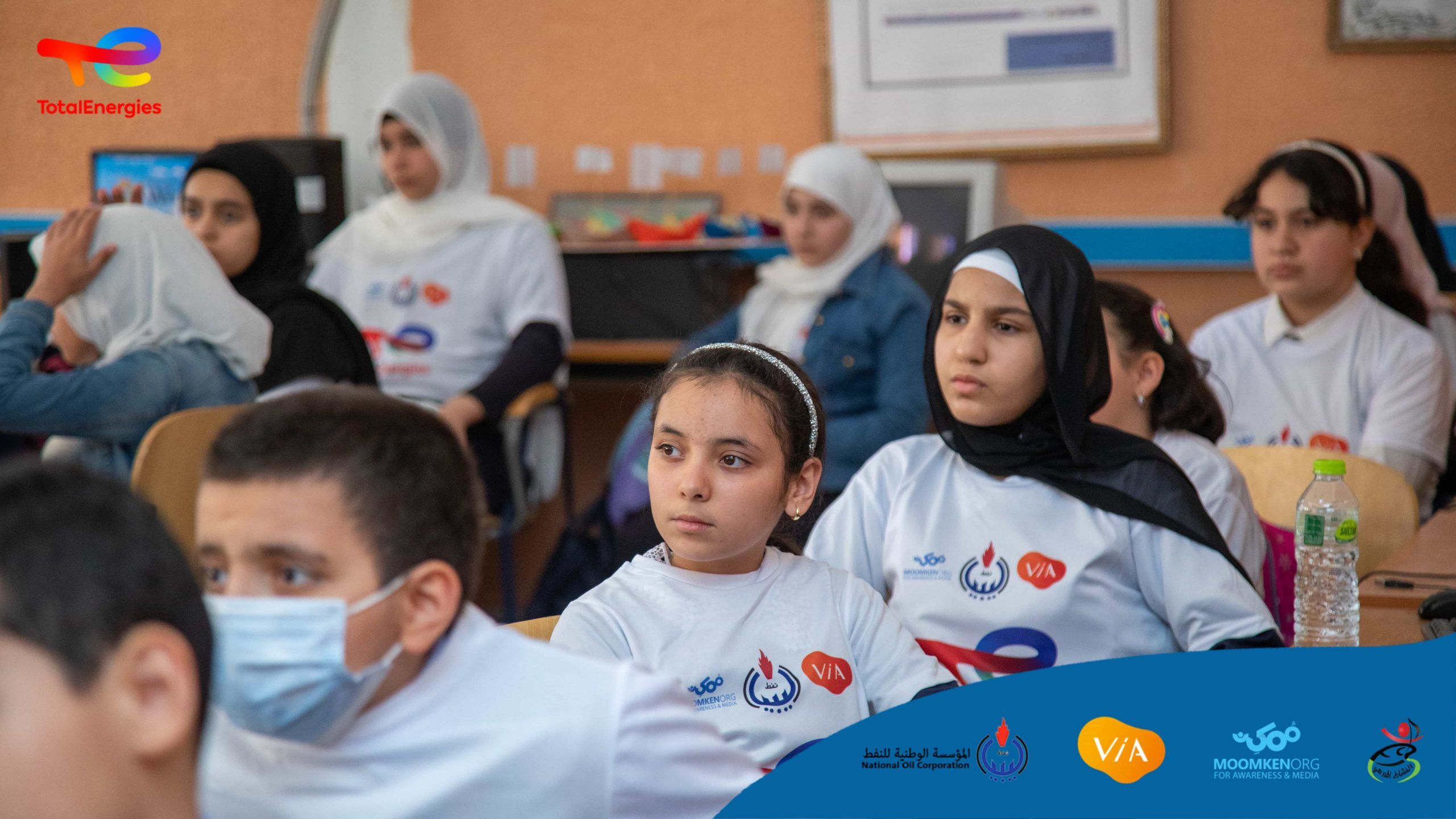
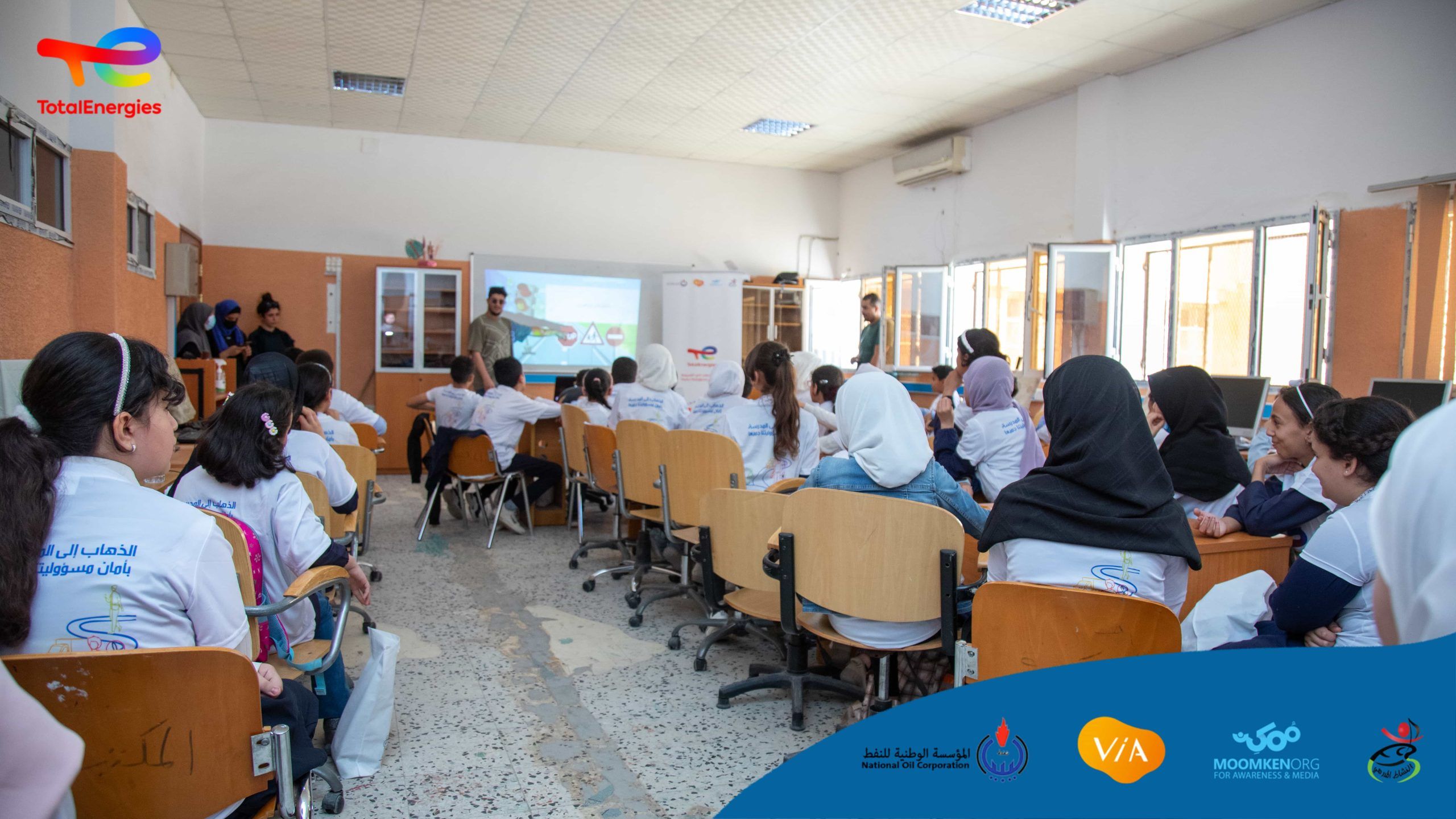
ACTED - NGOs
ACTED - NGOs
We understand the essential role of civil society in communicating citizens' needs and concerns to the government
That's why the Moomken IT department has undertaken the crucial task of developing the NGOs.ly platform. This platform is a powerful tool that enables effective communication between civil society organizations and governmental bodies. We aim to influence government policies and ensure accountability by bridging the communication gap. To achieve our goals, we have focused on enhancing the usability and user-friendliness of the platform. The development process has prioritized creating an intuitive and accessible interface for CSO users. Additionally, we have connected the upgraded platform with the existing e-learning platform, MOCs, anticipating seamless integration and fostering a cohesive learning experience. The NGOs.ly platform also serves as an online platform for knowledge sharing among Libyan Civil Society Organizations. It supports decentralization and local development, contributing to peacebuilding in Libya. By equipping individuals and organizations with the necessary communication skills, we strive to improve their ability to effectively express their needs and concerns. This effort is crucial in enhancing civil society's public image, which has often been a significant obstacle to its sustainability.
The Moomken project team has worked tirelessly to create and upload comprehensive online training content on the NGOs.ly platform. Our training materials cover a wide range of topics, including communication strategies, advocacy techniques, and effective engagement with governmental bodies. We have implemented a rigorous registration and selection process to ensure that participants in our online training activities are committed individuals and organizations dedicated to making a positive impact. By bringing together like-minded individuals and promoting a supportive community, we believe we can maximize the effectiveness of our training programs. This collective effort aims to contribute to peacebuilding in Libya by supporting decentralization, and local development, and fostering effective communication between civil society and governmental bodies.
Moomken project management team kickstarted the online training activity. Selected CSOs’ representatives who have gone through online registration and skill test were contacted and emailed the links for the online courses, along with a guideline on the processes of signing up and enrolling in the courses. They were also informed of the necessity of sending the certificates after completing each course after that Moomken conducted two in-person training in the east and the Western region the trainees attending were the targeted individuals who have completed the prior activities in the program (registration and in-person training). The training covered proposal writing and email correspondence, media campaigning, and technical briefing about operating NGOs.ly and using MOCs.ly platforms, as well as a basic introduction to the practices of developing, applying, and implementing joint-effort projects. Additionally, the training laid down the bases for the last activity Local Staff Training, that are required by participants of online and in-person training activities.
CSO representatives completed the training program and were encouraged to share their newfound knowledge and skills with colleagues. They utilized the extensive online material on the MOCs.ly platform, which offers a wide range of training courses. These courses provide valuable information for CSOs operating in Libya, including communication-focused material on proposal writing, media campaigns, and email correspondence. The Moomken team monitored the project's progress by tracking participation on the online platform
Join our community by clicking the link if you're interested.
Automate your growth
3:45 duration
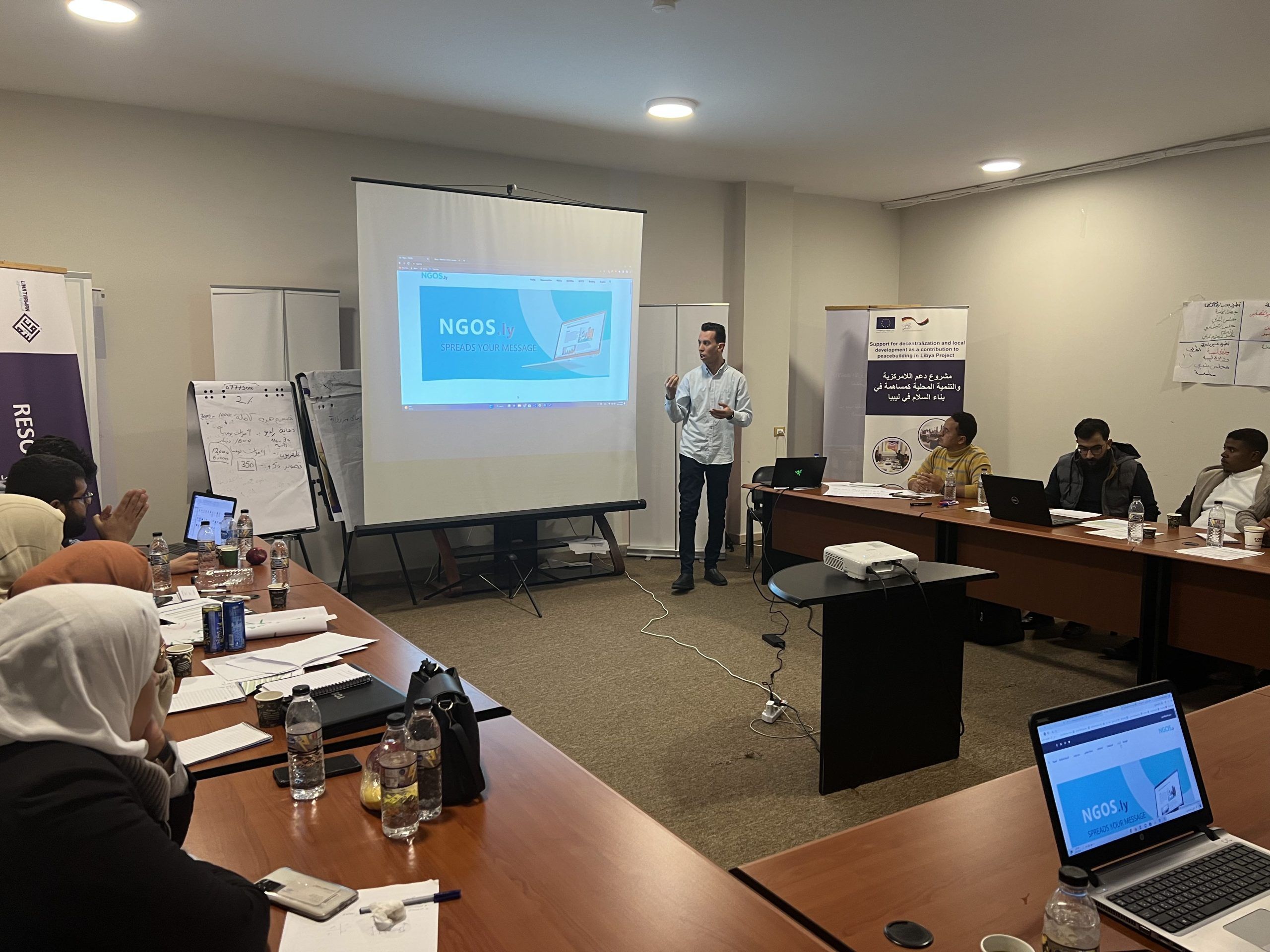
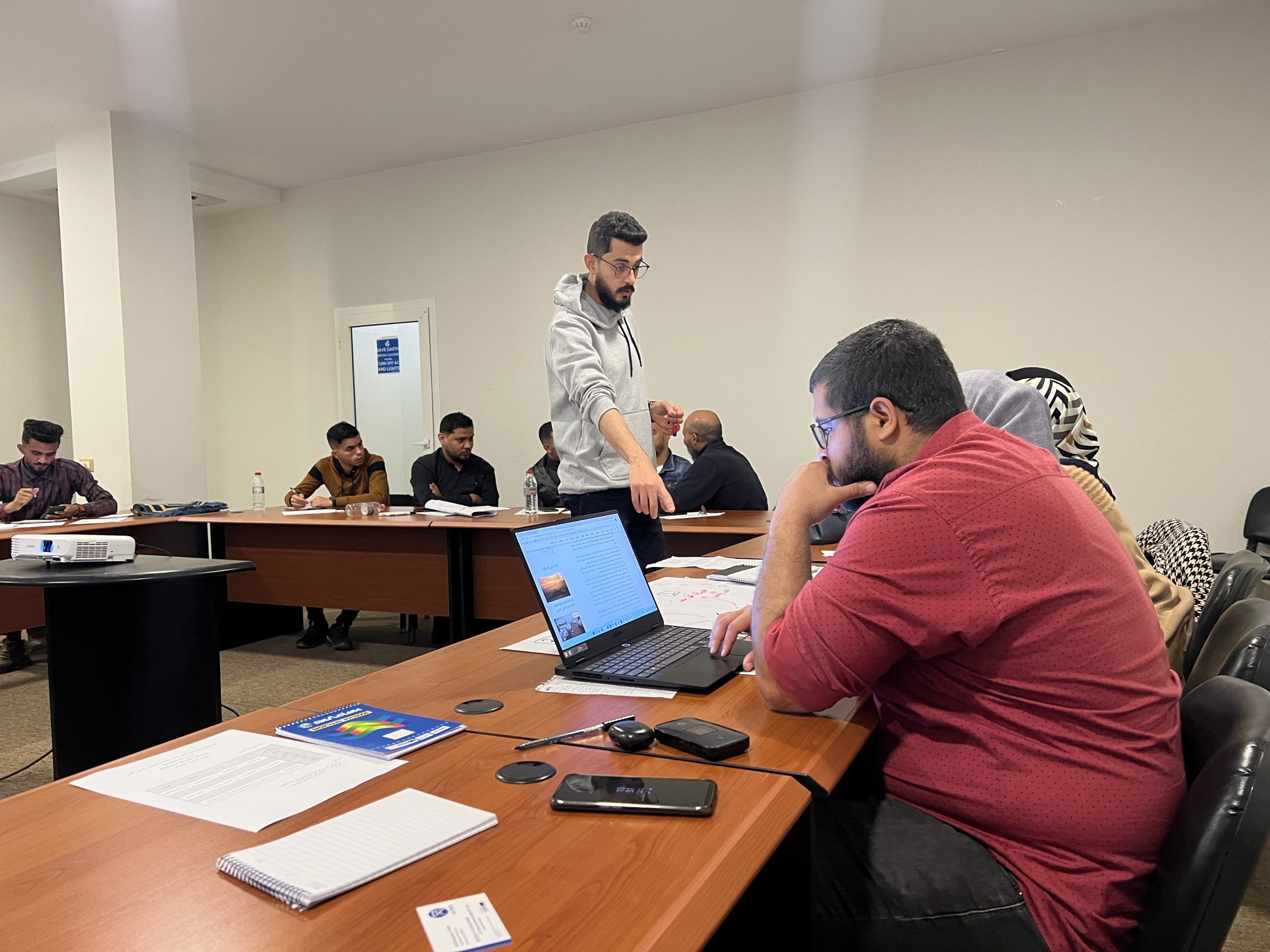
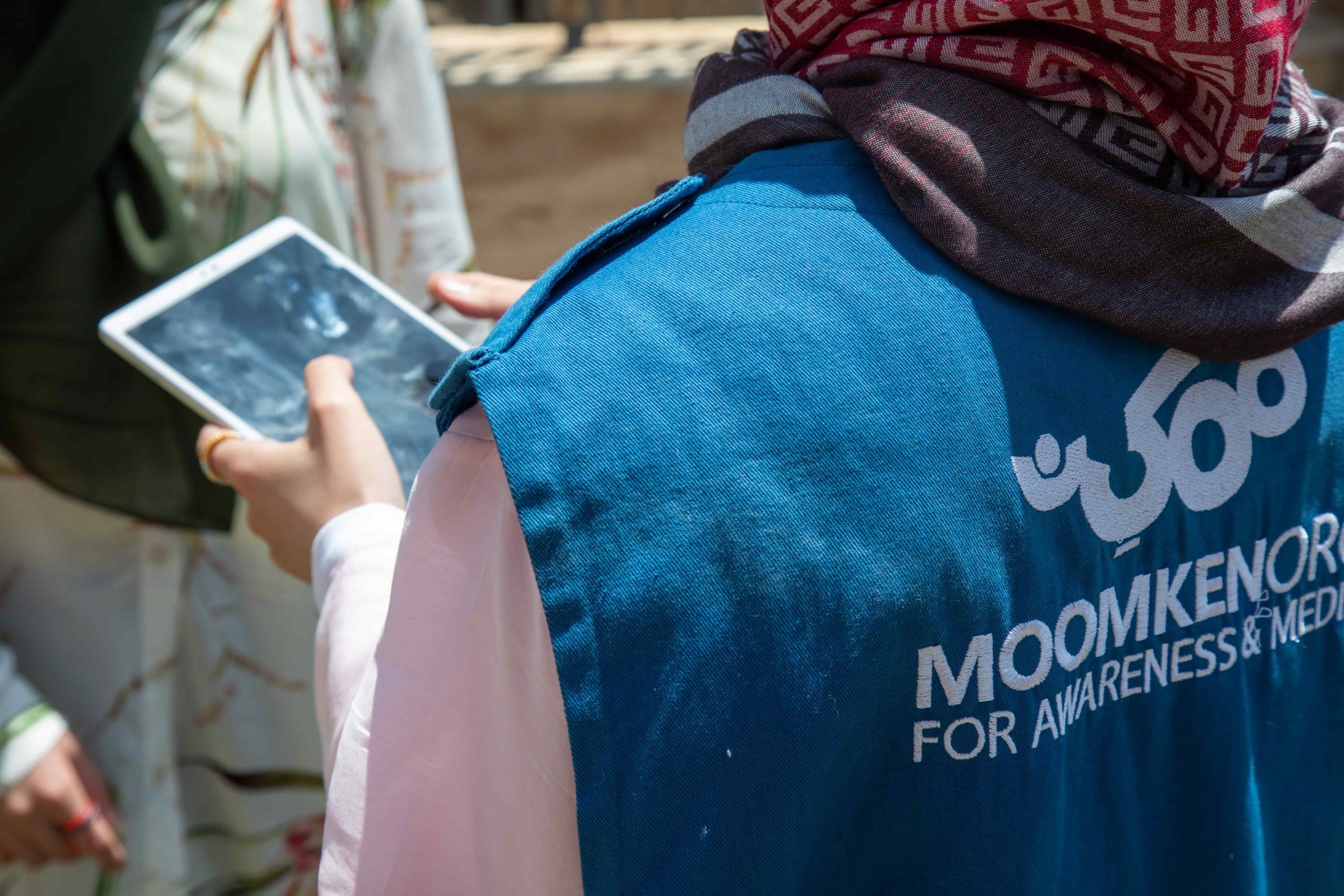
NESDB - Living Conditions Survey
NESDB
Living Conditions Survey
The Libyan economy is unstable, with a surplus of 13.8% of GDP in 2021, but domestic debt has risen dramatically. According to the Multi-Sector Needs Assessment for the Libyan Population in 2021, 53% of households in Libya could not meet their basic expenses, indicating poverty and food insecurity.
To stabilize the economy, a comprehensive study of the living conditions of the Libyan population is launched in late 2022 by the National Economic and Social Development Bureau (NESDB) in partnership with Moomken.
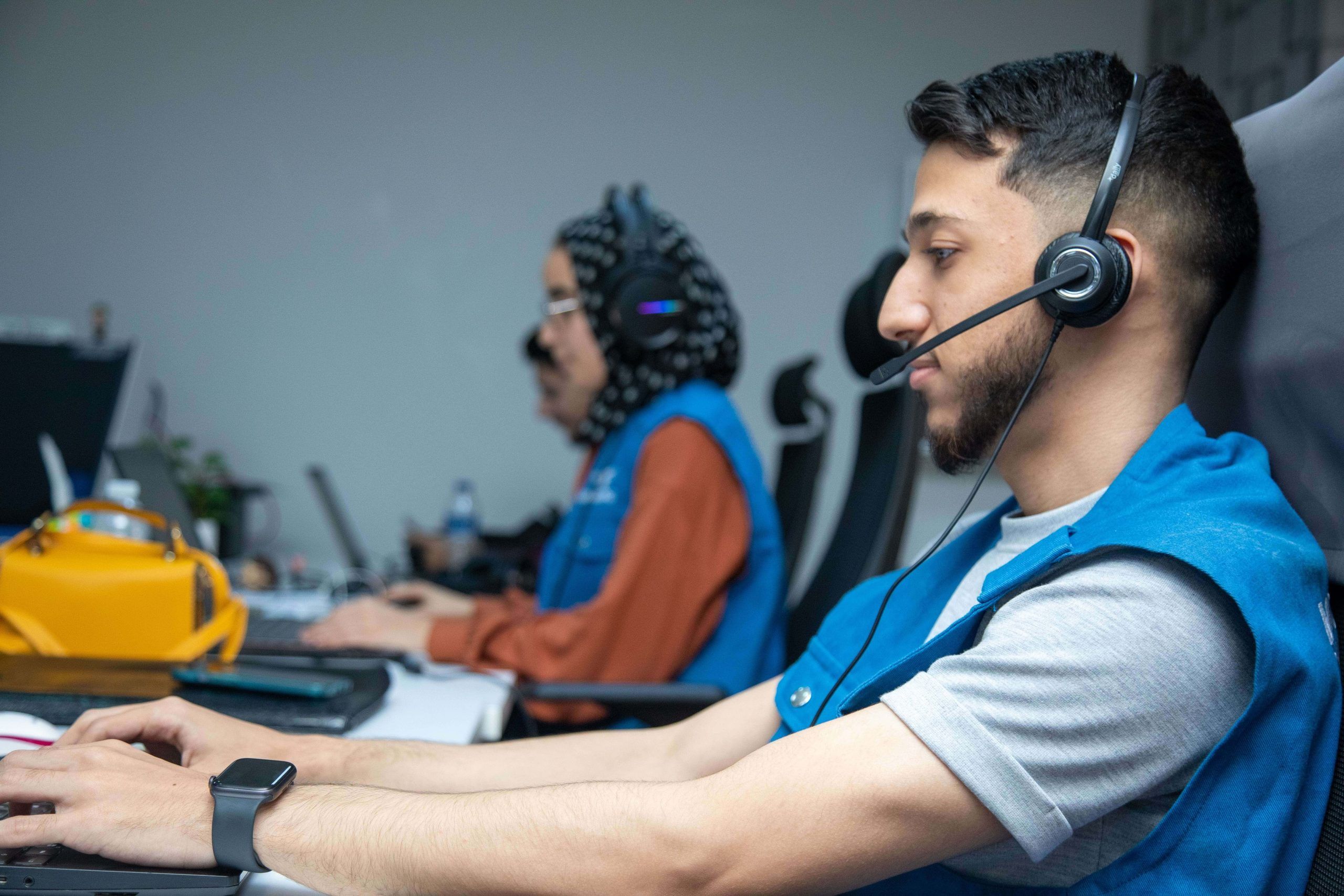
Technical, and vocational education and training
As part of its work on technical and vocational education and training, Moomken conducted a field survey of graduates from selected institutions between 2018 and 2020. The survey collected data about graduates’ employment outcomes, the fields they are employed in, and stability in their careers. Additionally, the survey looks into graduates’ feedback on the training they received in class, the lecturers’ performance, and the relevance of the training to their current employment.
The Civil Society Essentials Toolkit
Emkan Toolkit
Empowering The Civic Engagement
The Civil Society Essentials Toolkit, developed by Moomken Organization with support by MEPI and World Learning, is a comprehensive guide for individuals, NGOs, and civil society groups.
The Emkan to Empowering the Civic Engagement project aimed to enhance civic engagement in Libya through the development of a comprehensive toolkit, e-learning courses, and interactive workshops. The toolkit was designed to provide guidance and best practices for individuals, non-governmental organizations (NGOs), and civil society organizations working towards positive social change.
Emkan Promo
English Toolkit
Arabic Toolkit
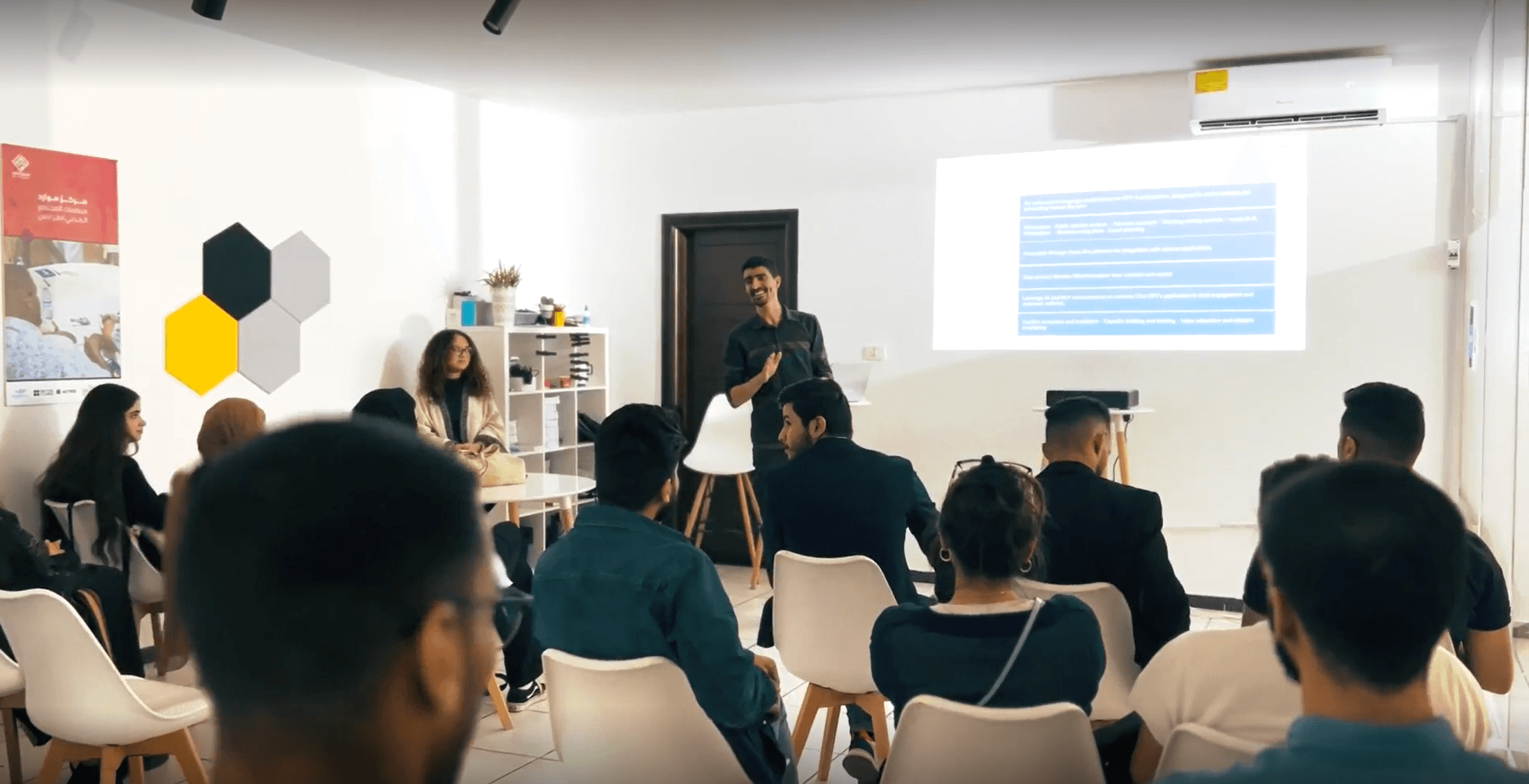
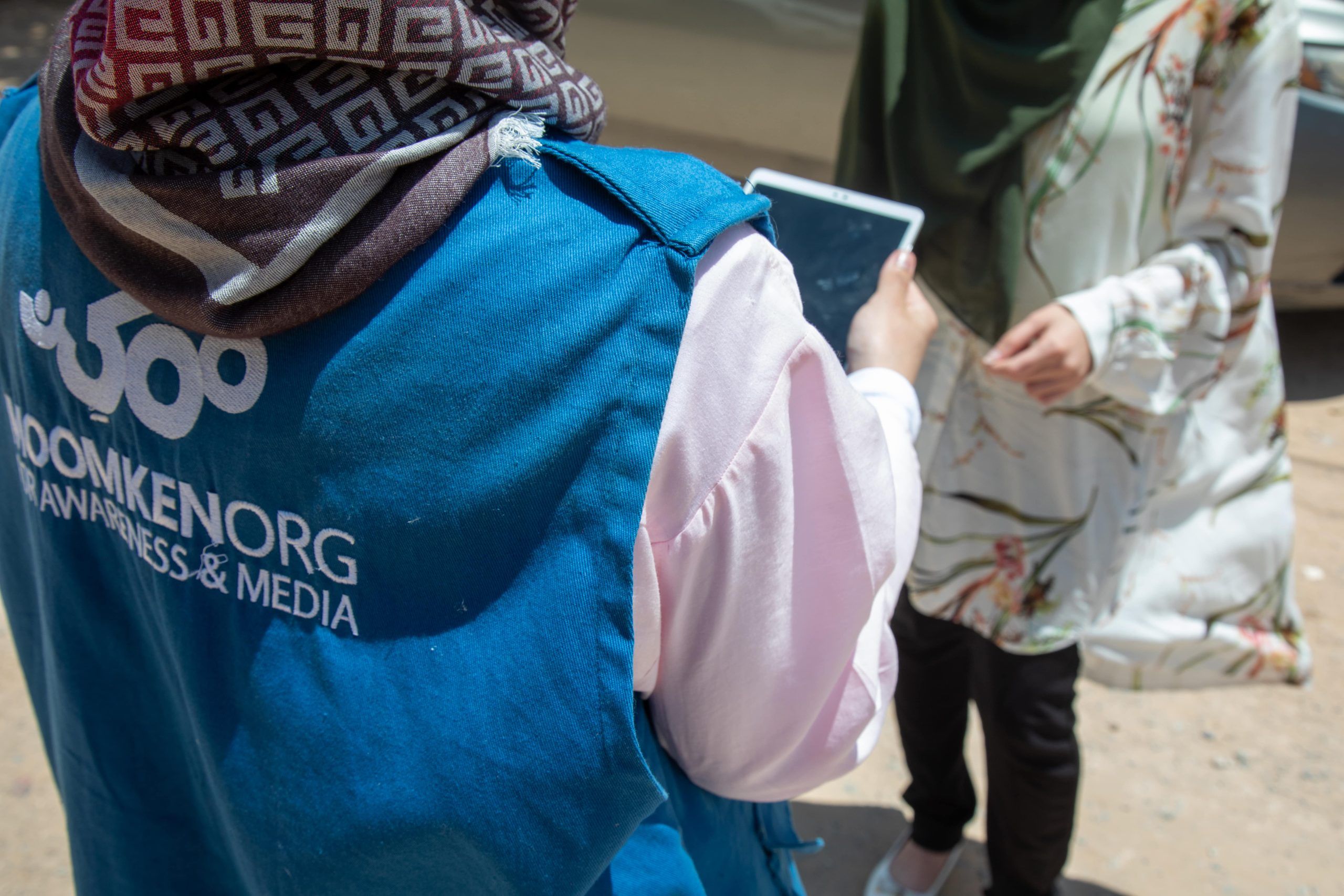
USAID/ORB Monitoring and branding
ORB monitoring
A quantitative study, and focus groups were conducted to investigate perceptions of USAID branding in Libya. The study is required for USAID to alter its approach to humanitarian aid in the country, which consists of assisting local communities as well as national governmental authorities.
WFP Third-Party Monitoring projects
Background
Conducting site visits for WFP
GFA (General Food Assistance)
Aims to ensure food security for families across Libyan cities. This type of assistance targets beneficiaries based on current need assessments and livelihood studies conducted frequently and provides parcels of food commodities to address food insecurity for its beneficiaries.
FFA (Food assistance For Assets)
The monitoring visits cover several solar pump sites and solar cooling containers.
FFT (Food for Training)
Aims to assist the beneficiaries in the transition from dependence to independence by equipping them with the skills they need to find and maintain jobs in the Libyan labor market.
School Feeding (Date Bars)
PAB (Pre-Assistance Baseline)
At distribution sites, when introducing a new activity or new modality.
RTEM - UNHCR (Ready-To-Eat Meals)
RTEM - IOM (Ready-To-Eat Meals)
Were regarding distributing ready-to-eat food items and assistance parcels to refugees.
CBT (Cash-Based Transfers)
RRM - UNHCR (Emergency Food Distributions)
Monitoring and evaluating the performance of WFP partners in the activity of emergency food distribution.
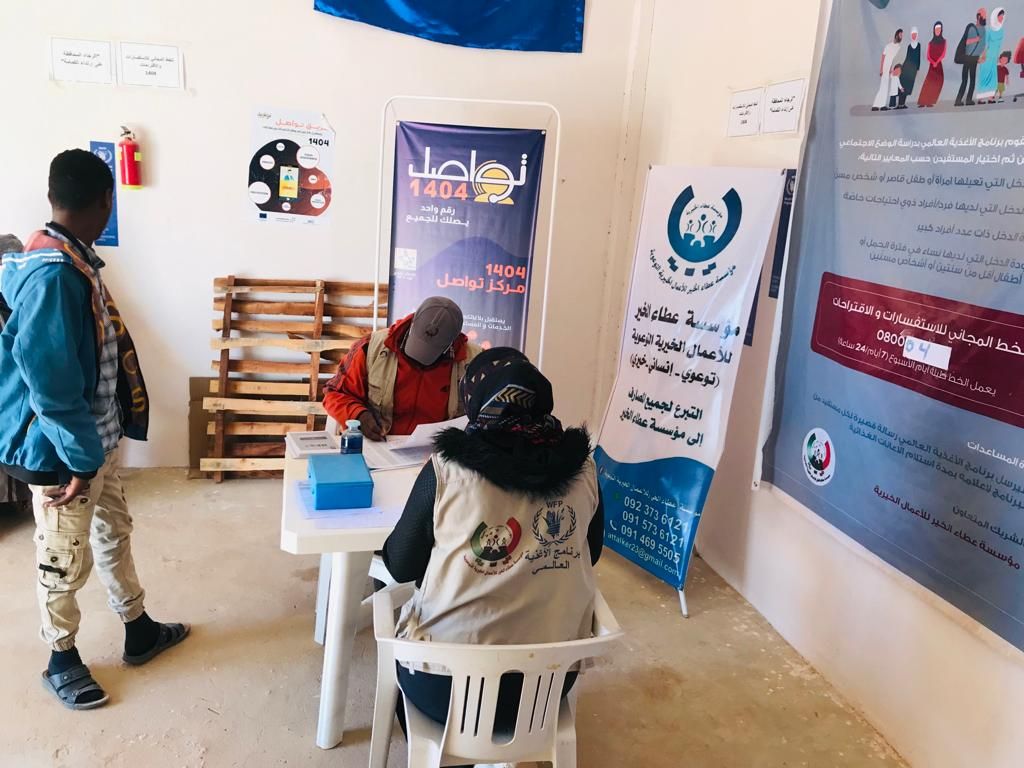
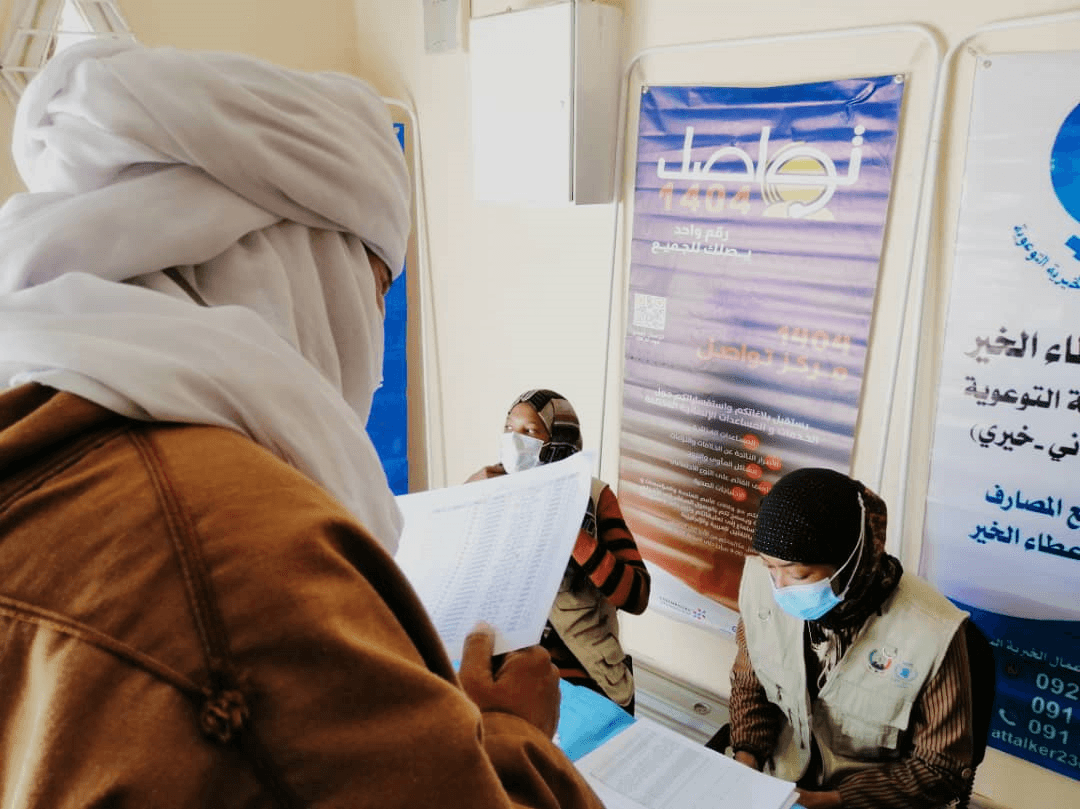
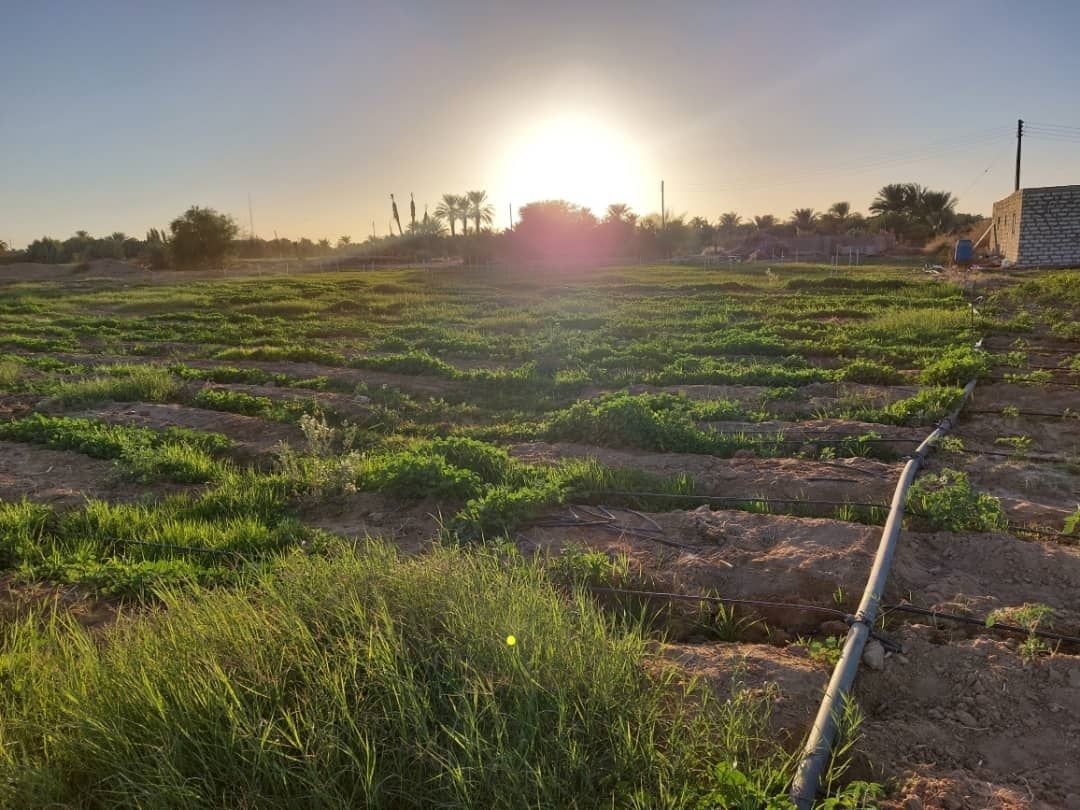
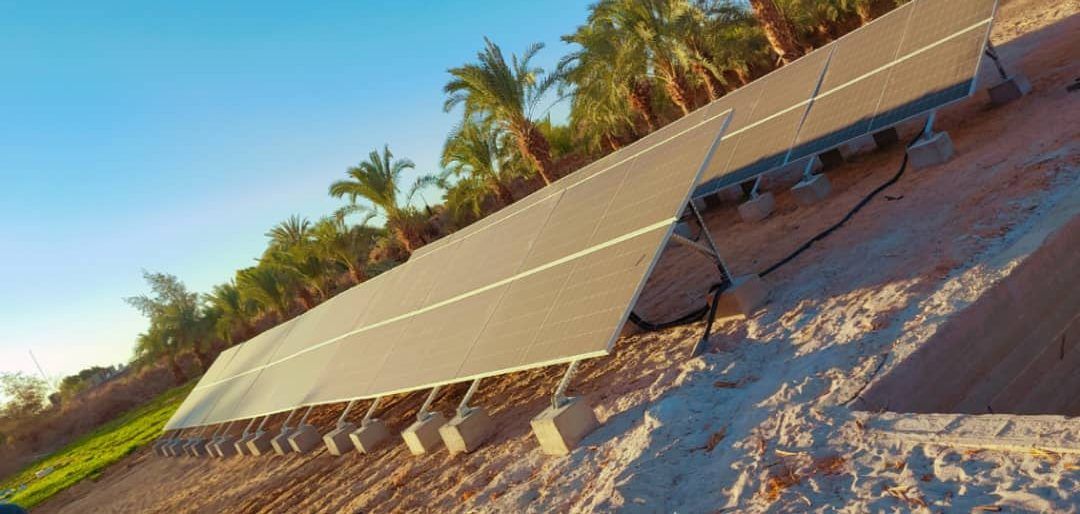
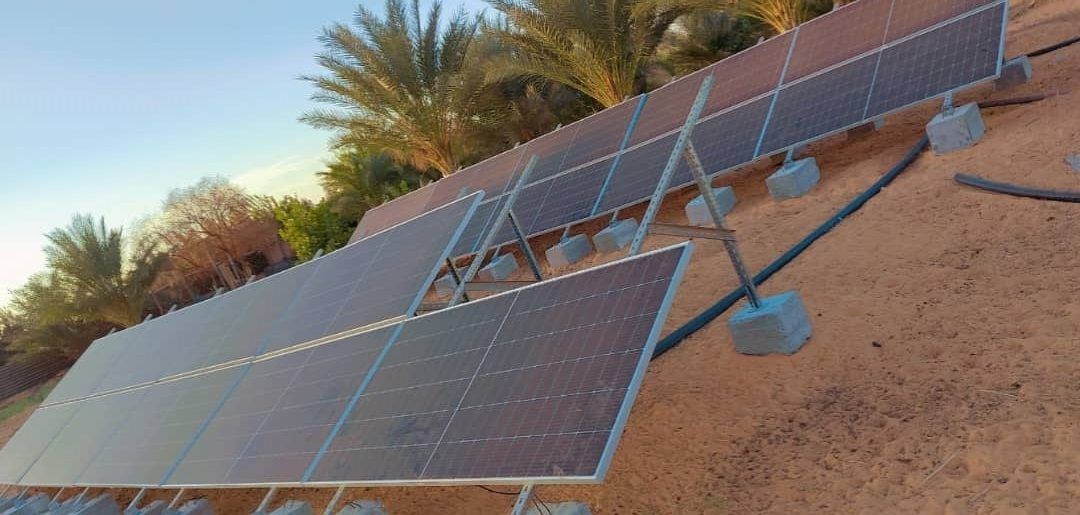
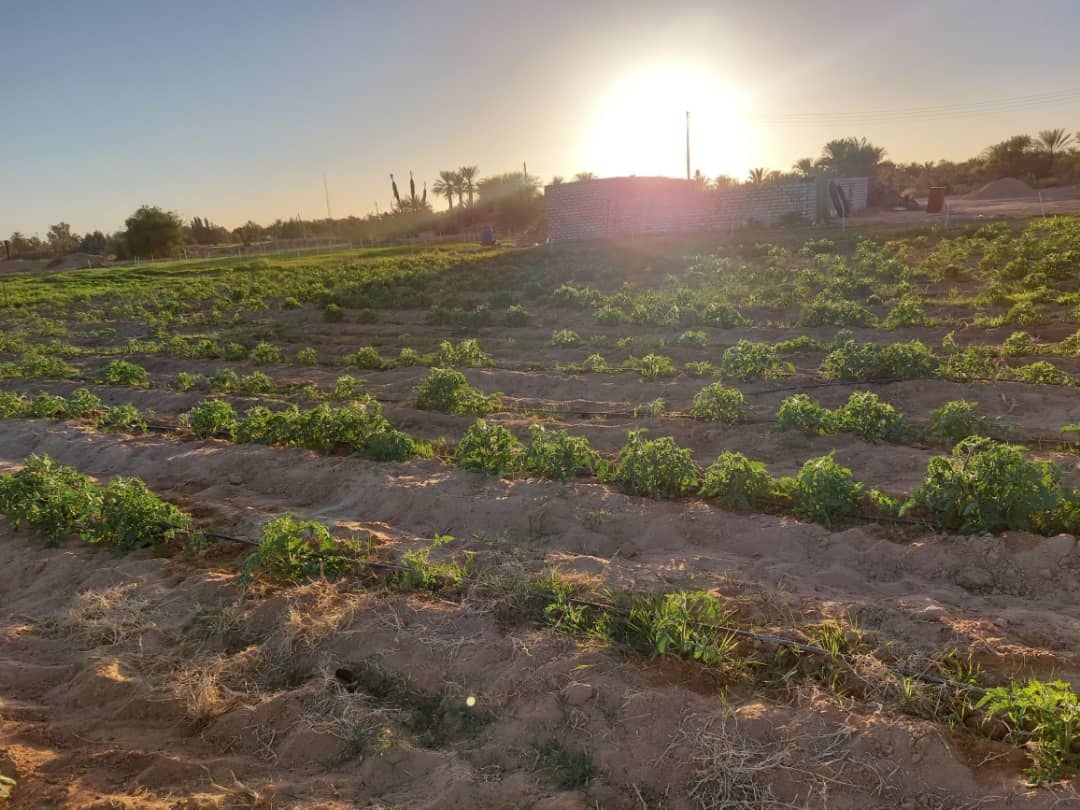
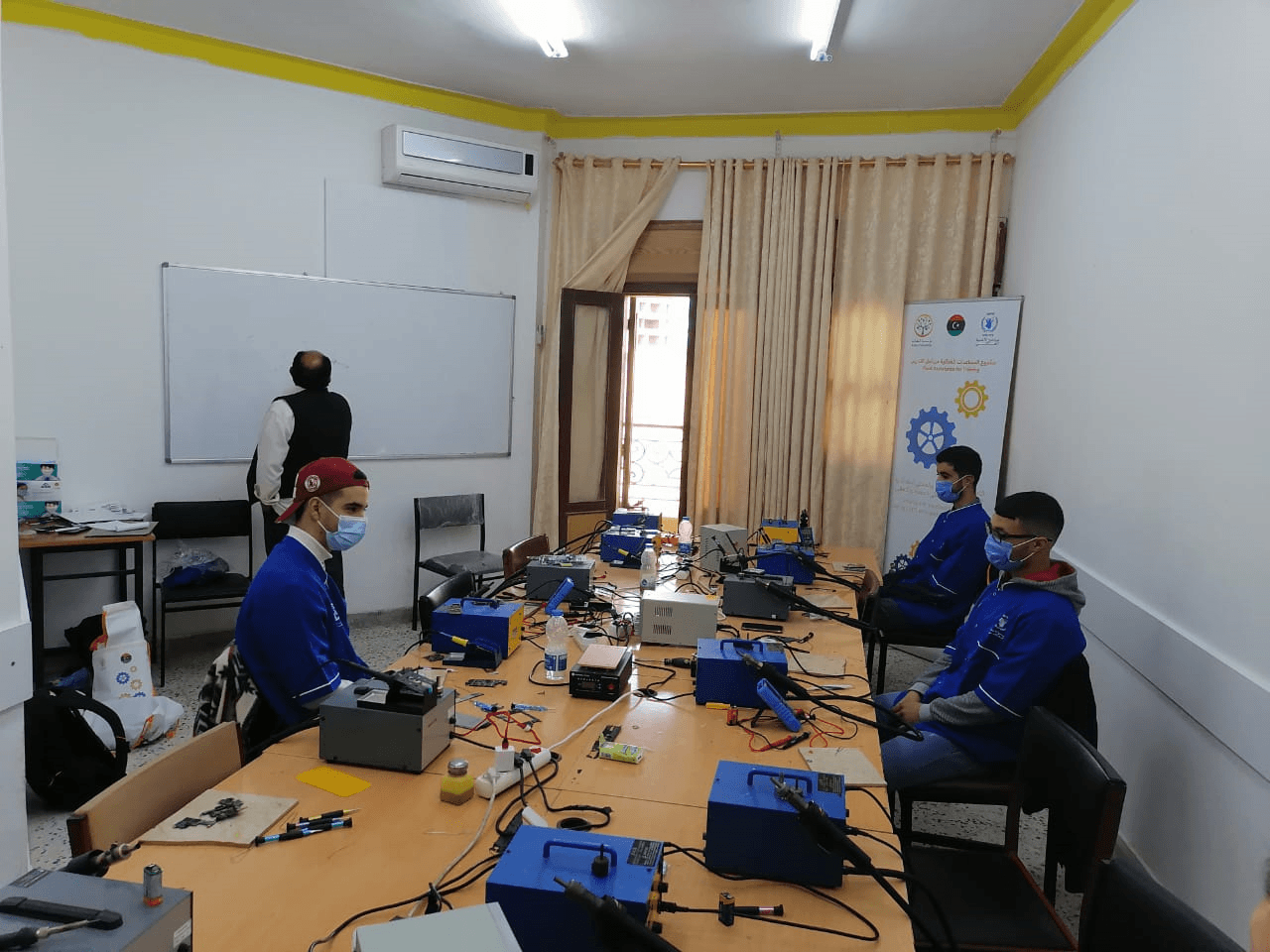
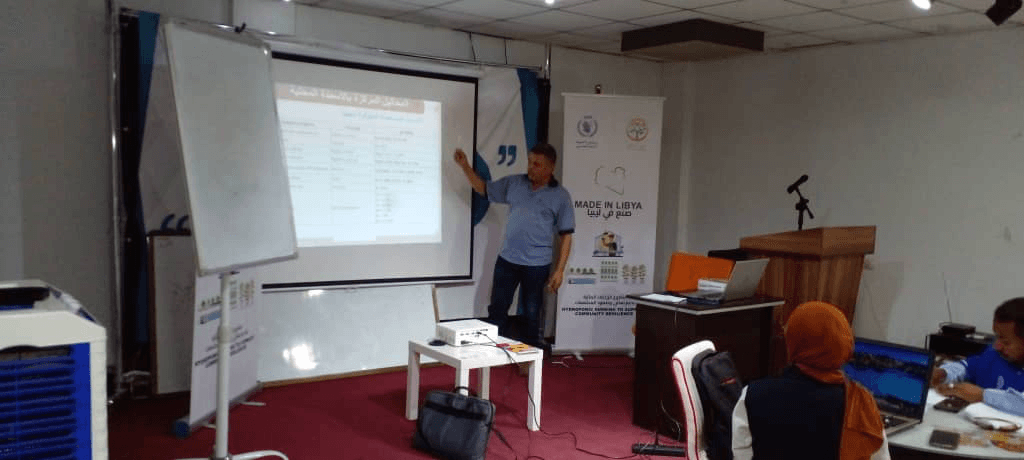
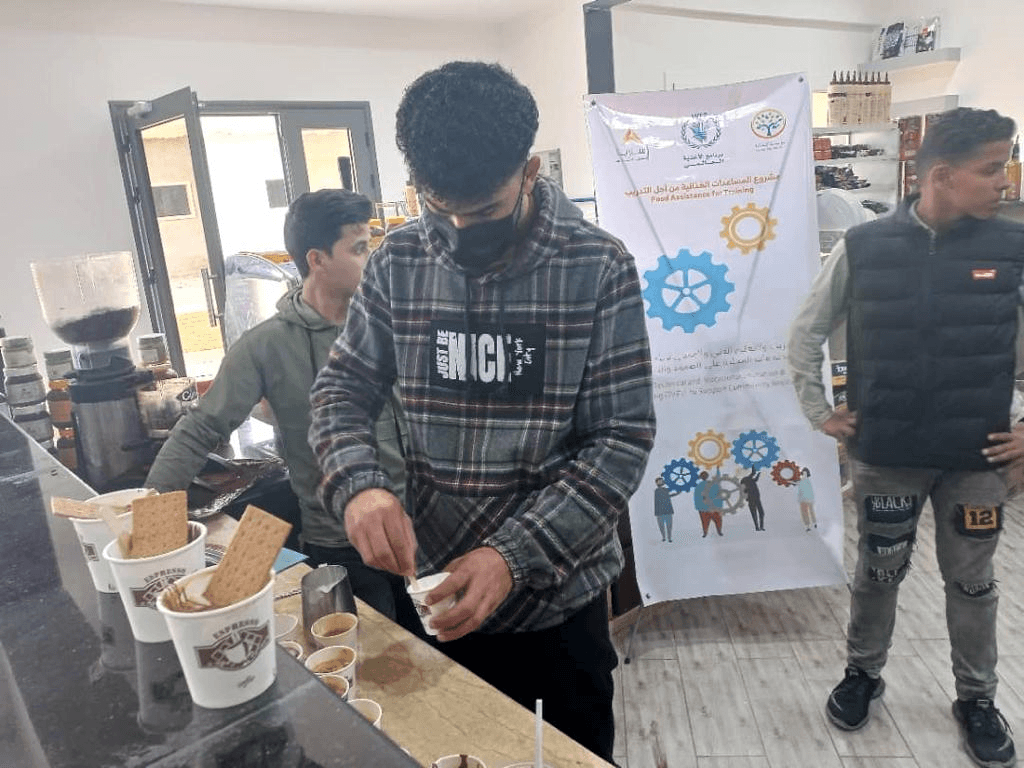
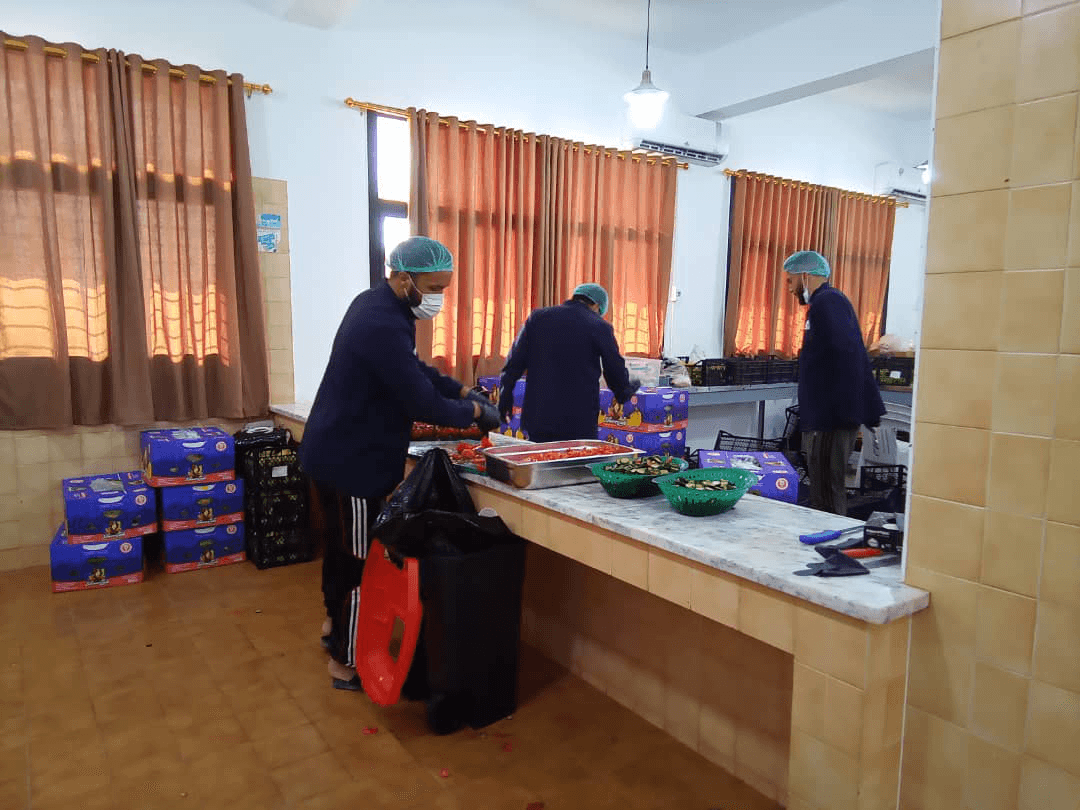
Resource Center
Details for this project are coming soon.
NGOs.LY
Details for this project are coming soon.
Towards Locally Led Stabilization and Reconciliation in Libya
BACKGROUND
In partnership with United Nations Institute for Training and Research (UNITAR), and in collaboration with Japan - The Government of Japan, the project “” is designed to strengthen the capacities of five local CSOs namely Tanmia 360, Perpetual Peace, Moomken Organization, Solidarity for Women Support & Empowerment –Tadamon, and National Caucus of Fazzan Via capacity building activities and workshops (TOT) in the reconciliation and resilience context, with a specific focus on youth. The implementation of these responses on the ground and throughout Libya’s diverse communities will be led by these five CSOs partners.
Since 2020, UNITAR has put at the service of Libyan civil society organizations (CSOs) its extensive expertise in strengthening the capacities of CSOs in different conflict-affected contexts including through UNITAR’s support to the UNDP in the implementation of Output 3 of the Initiative Stabilization Facility for Libya. In this framework, UNITAR has been leading the development of a comprehensive capacity building and development program tailored to the specific needs of actors on the ground. Through its constant work with Libyan CSOs in different parts of the country, UNITAR has gained specific experience and knowledge of the context that is crucial for concretizing the efforts toward peace and reconciliation at local and national levels.
To that end, the project put emphasis on building organizational and technical capacities through tailored training workshops as well as mentoring and coaching activities that would enable participants to take ownership of their leading role in the enhancement of conflict resolution, resilience, and reconciliation. UNITAR will work closely with its partners over the course of the upcoming year to utilize change and yield results that will serve the establishment of a peaceful and inclusive Libya.
The project aims to support international efforts for stabilization and reconciliation in Libya in the current transitional period by empowering the Libyan civil society. Essentially, the project is made possible by the generous funding and cooperative initiative of the Government of Japan and its commitment to support the Libyan people's choices and aspirations to overcome this transitional stage and move toward a peaceful and stable future.
The project first phase
The project initial phase began by targeting youth to attend 4 day training in hive space HQ in 15th of January until the 18th
The participants attended a total of 30+ activity on reconciliation and resilience, the activities varied from Artistic and creative activities that contributed to highlighting the skills of young people, encouraging local participation and cooperation with the local community to implement easy to implement projects.
The participants voiced their thoughts, hopes & concerns regarding building peace & stability in Libya, and shared their background experiences on youth participation either in raising awareness or making an impact.
The participants were part of several interviews conducted during the training & after, which reflected their newly acquired knowledge and reshaped perceptions gained from the training.
Project second phase: dialogue session
"Dialogue is to bridge distances and win hearts, not to win positions, and to condemn each other" Shaima Fouad
The project's second phase began with the implementation of a community dialogue session with the focus on youth and reconciliation as a pillar subject.
The dialogue session was led by the same trainers (Mohamed Bograin, Nada Al-Maddani) where the role of young people in building reconciliation, current challenges and potential ways to achieve it were discussed. The discussion also focused on what potential effect the youth can make on national reconciliation.
At the conclusion of the event, all participants were awarded certificates of completion.
The final phase of the project
The project came to an end with the release of the social media campaigns and the 3 month work spanning from training and community dialogue, and conducted interview with local radio shows with CSO’s representatives discussing the projects output and impact among the five targeted areas in Libya, and release the combined media videos to Local tv channels to showcase them on their channels.
Abdlaziz ben yased, one of the participants had this to say about the training: “Through the training, the trainers cultivated positive thinking, love of listening to others, sharing our ideas, respect, spreading peace in our communities, and gaining confidence that makes us want to learn more and contribute to making young people share our country with us for the better”
In addition this project is within Moomken Youth Lead Peace Campaign, this campaign will feature all Moomken future peacebuilding projects.
Its main focus is on developing peace initiatives and creating a better future for young people.
You can find all the videos displayed below
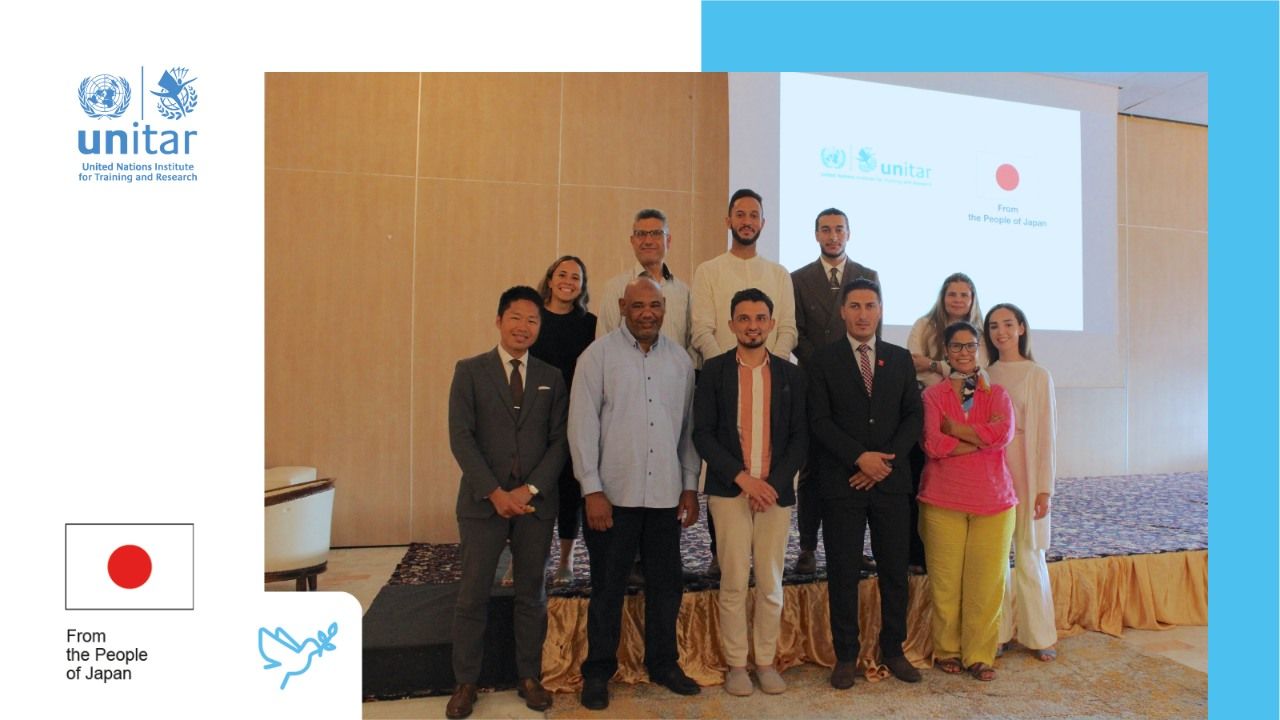
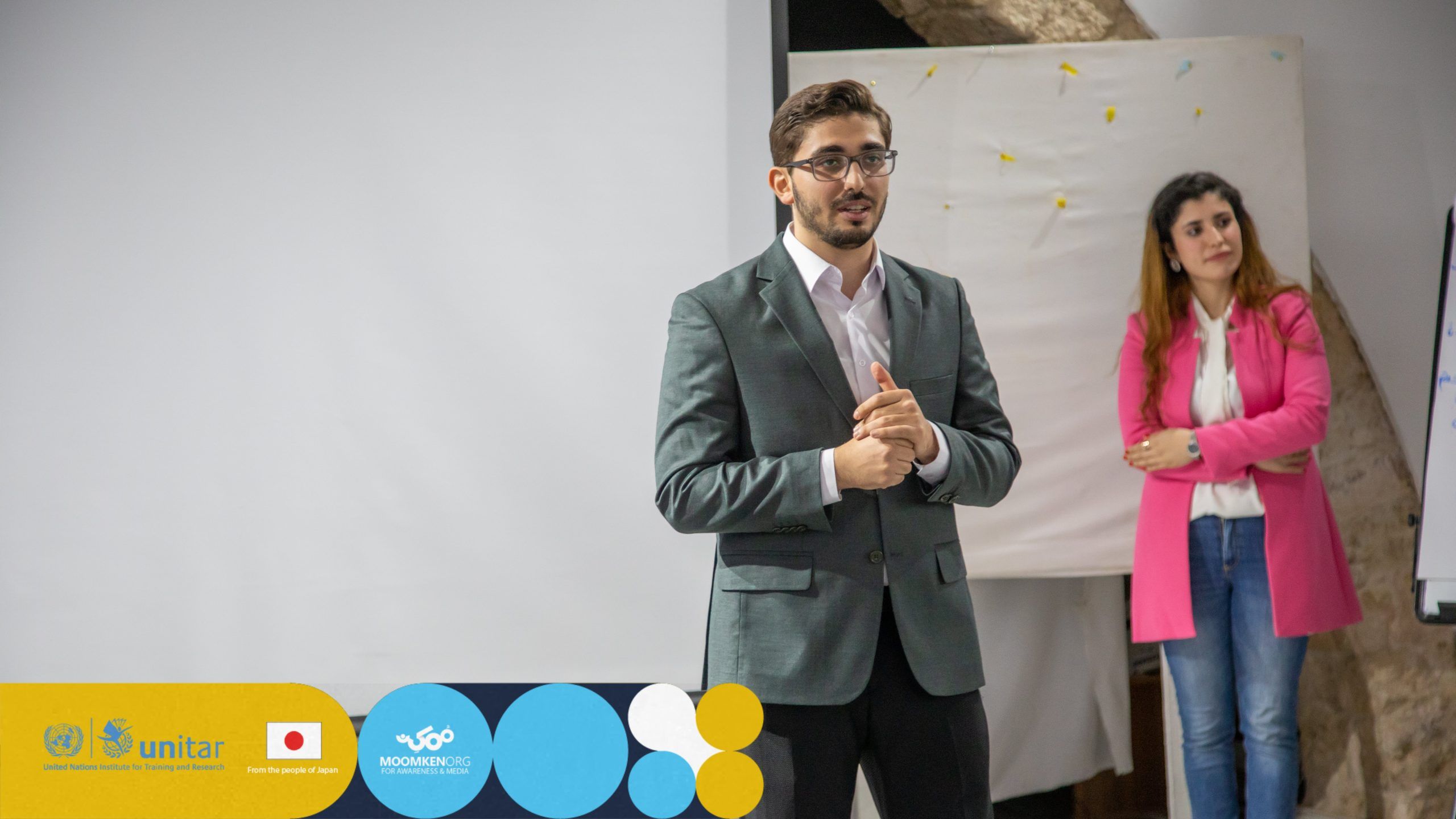
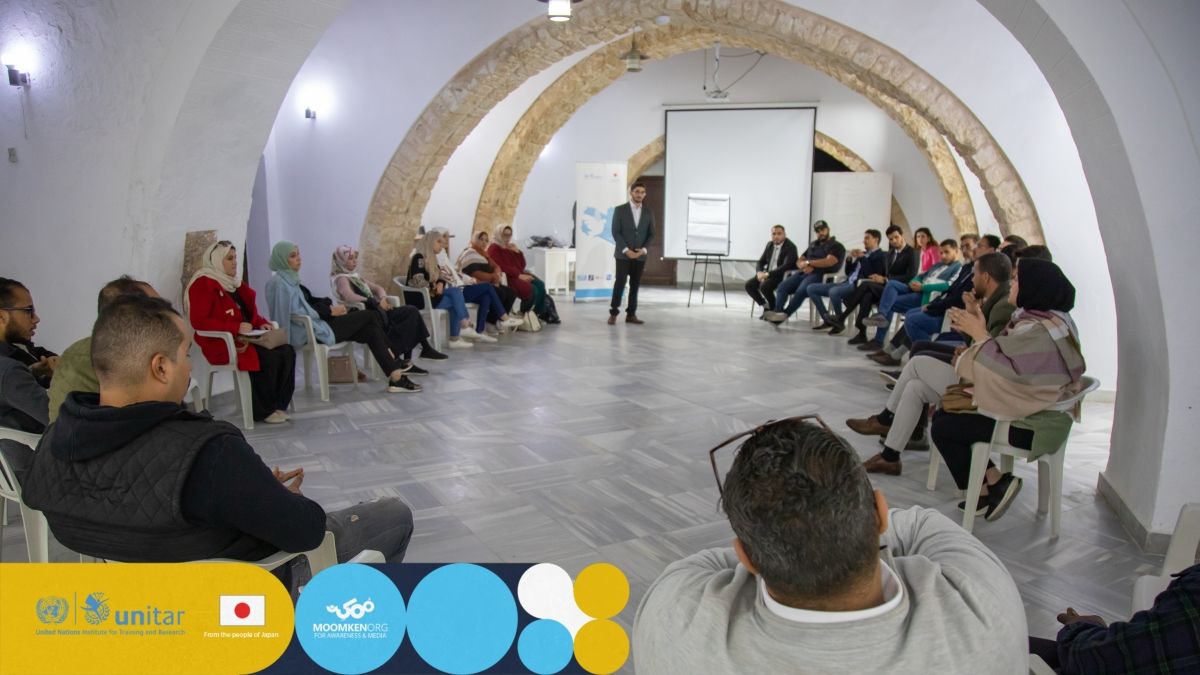
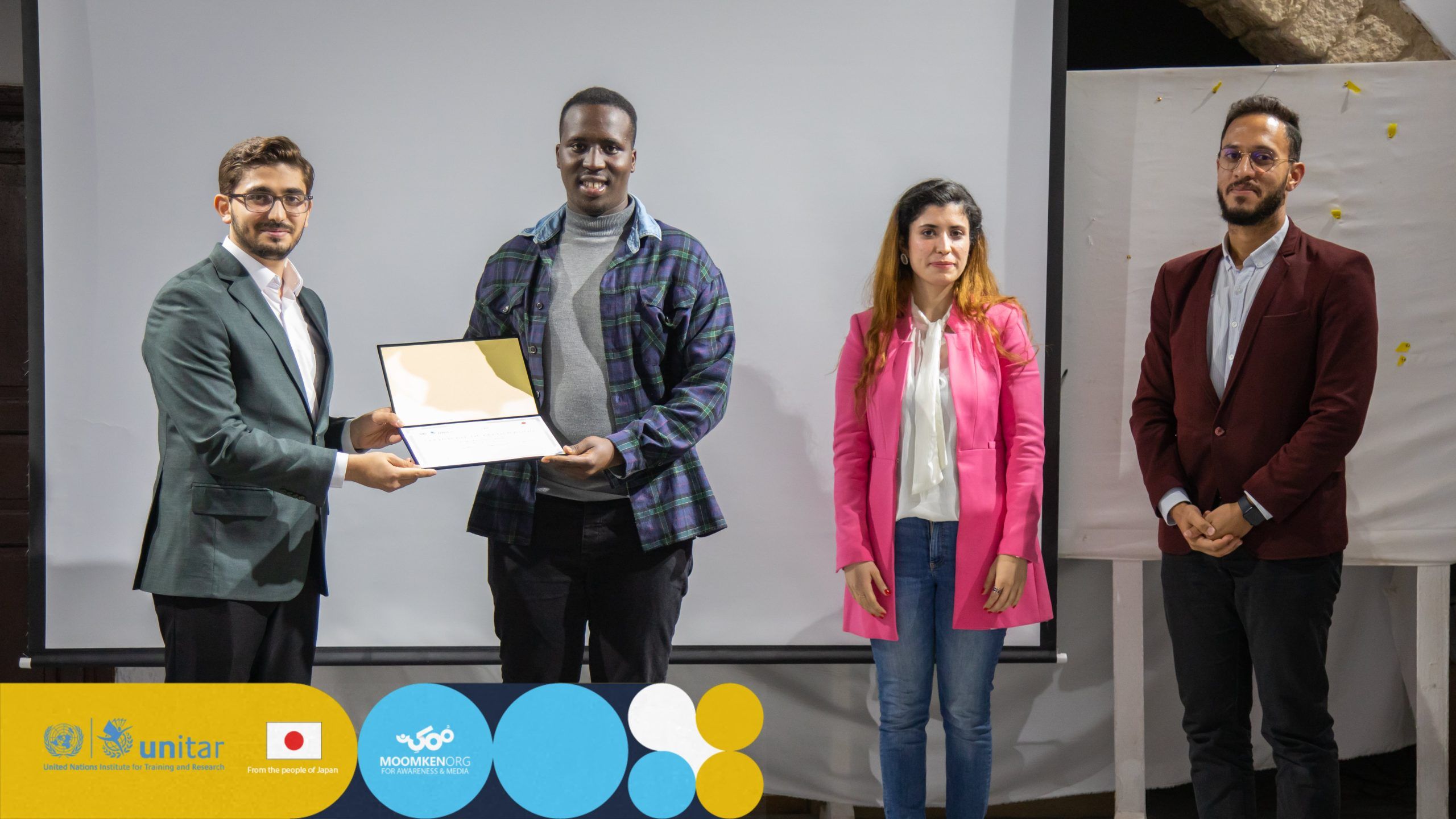
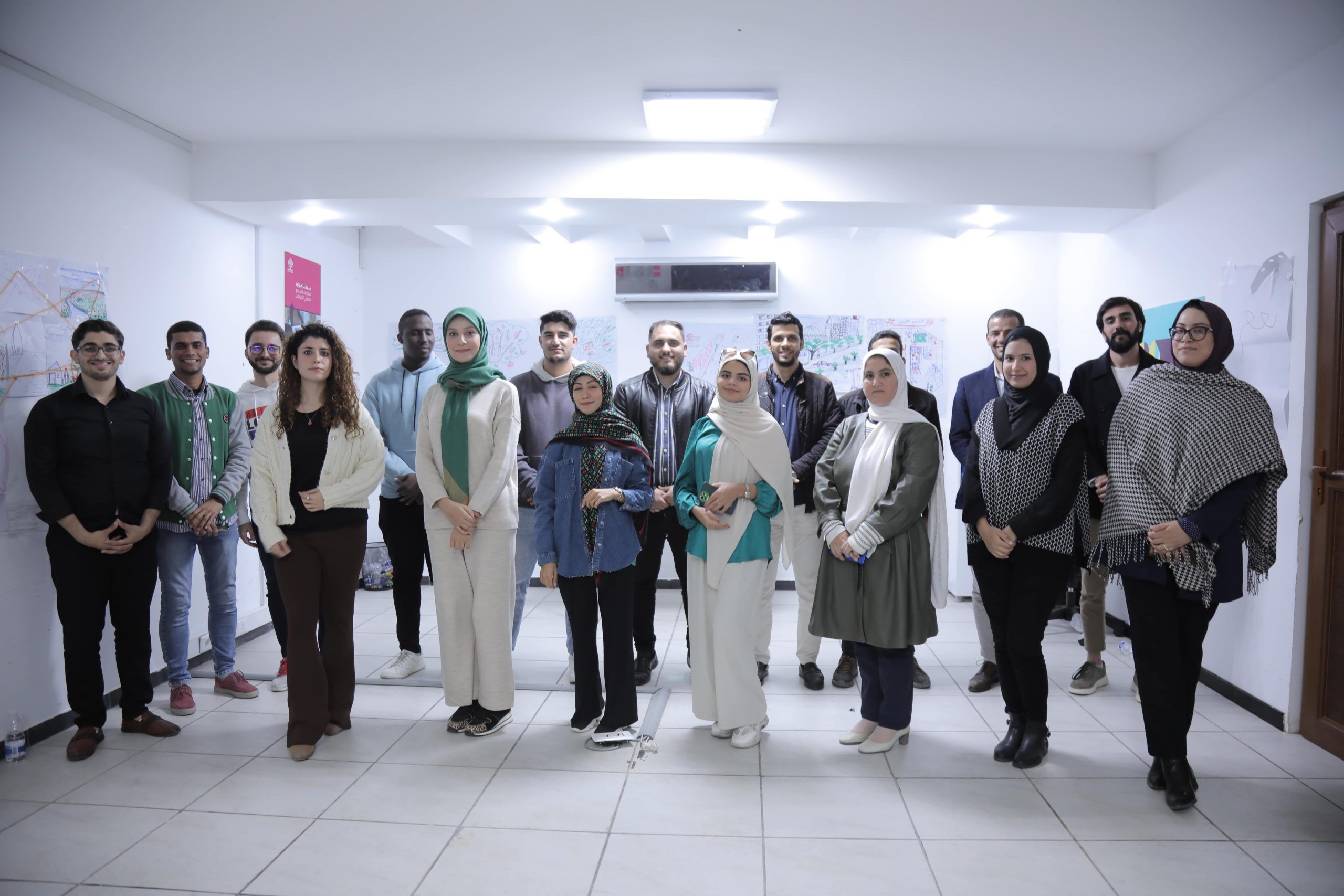
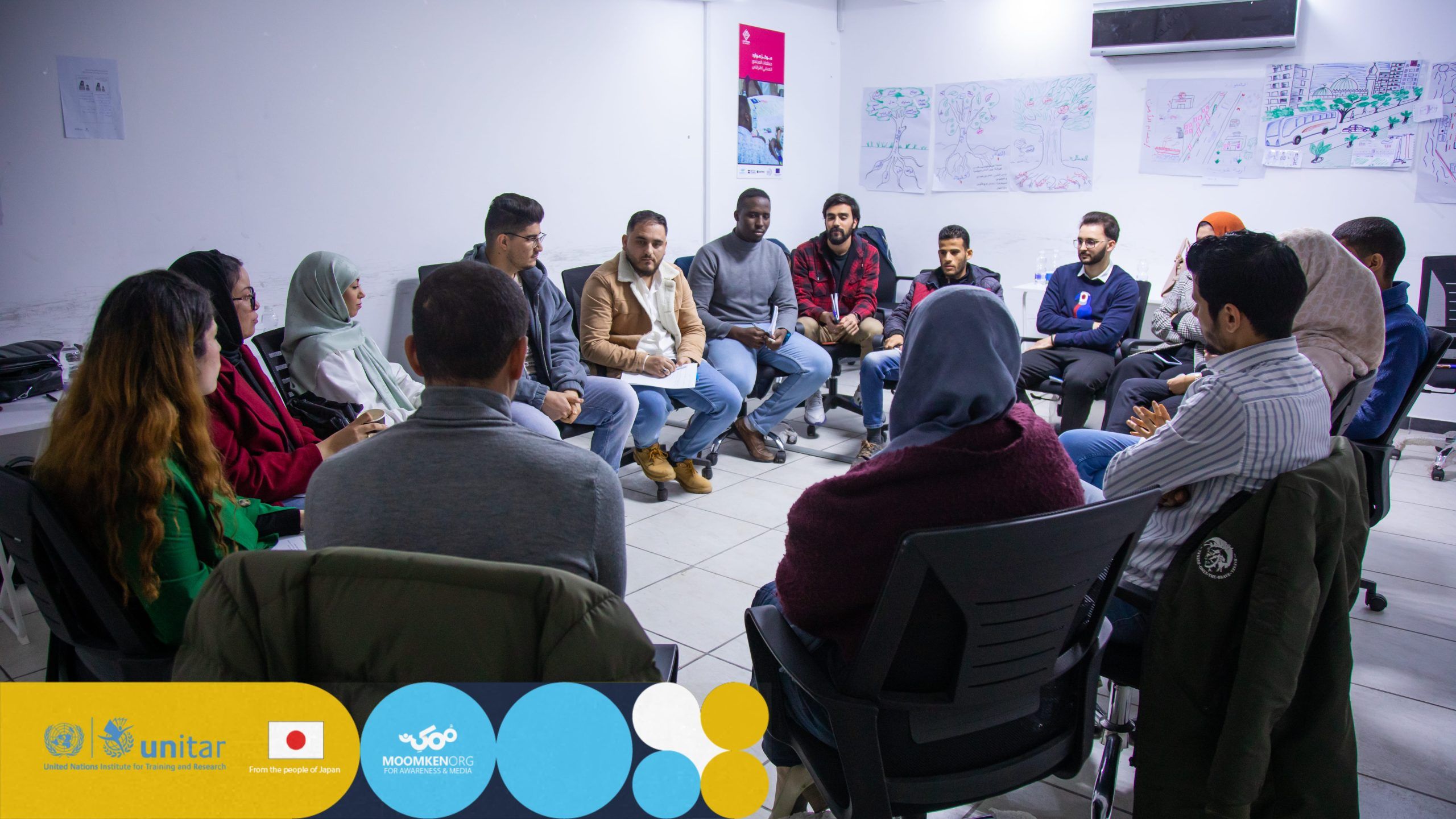
AMNLY
Details for this project are coming soon.

MOCS.LY
MOCs.ly, a sustainable Libyan open source e-training initiative, was first conceived in 2018 by the Potential Organization for Awareness and Information. This marked the beginning of a groundbreaking project in the field of online education in Libya.
MOCs.ly is the first step of the sustainable Libyan open-source e-training project presented by Moomken Organization for Awareness and Media. The idea began in 2018, and since then we have taken part in several initiatives to build experience in e-education and training within the Libyan context.
Now Mocs.ly has over 27 trainings in different fields related to entrepreneurship and management filmmaking.
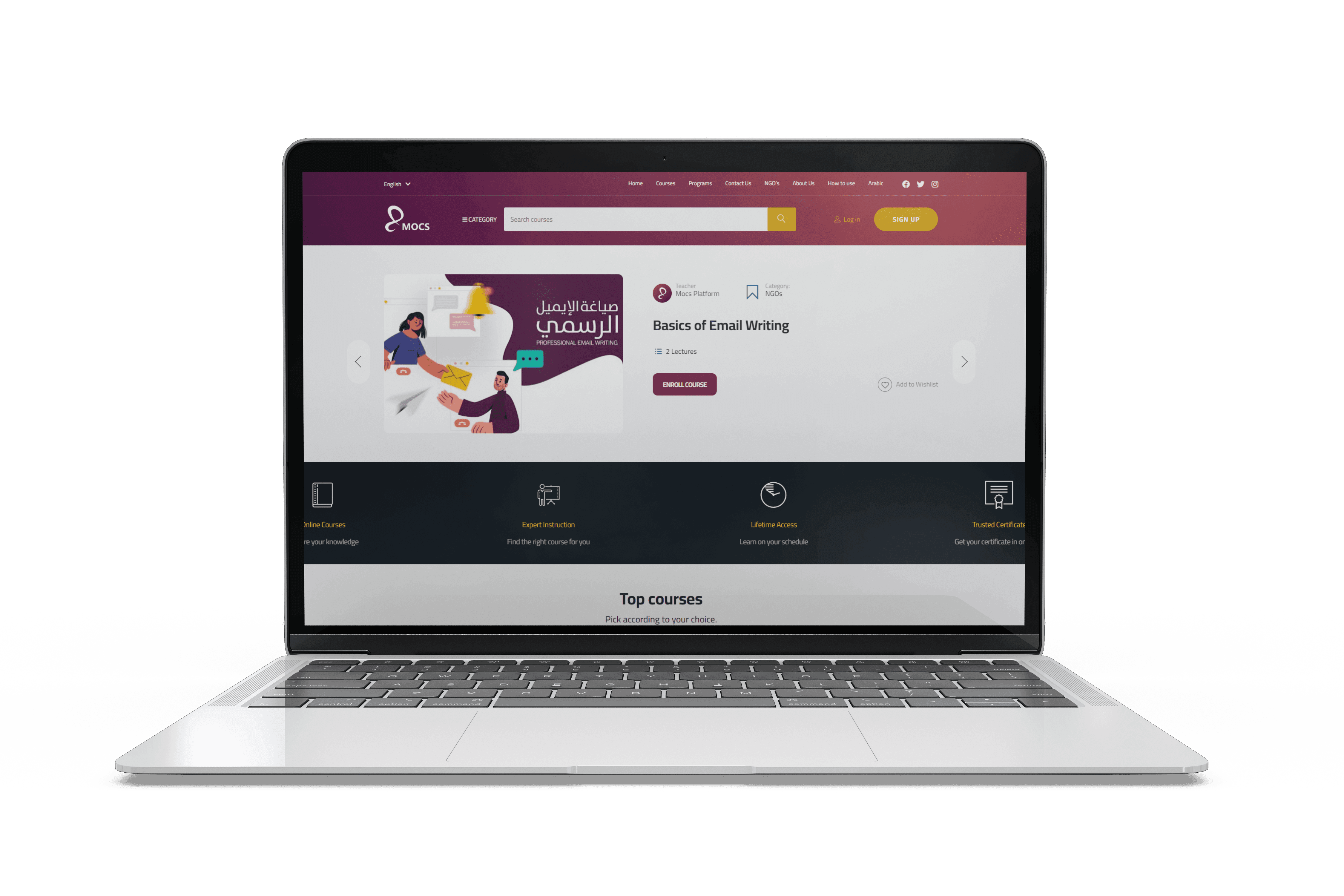
PREVENT ELECTORAL VIOLENCE
Introduction
The "Preventing Electoral Violence" (PEV) project implemented by Moomken aimed to equip police officers and community actors with the necessary tools and knowledge to prevent and address electoral violence in Libya. The project, which lasted for nine months, focused on creating sustainable and reliable learning resources for police officers and community actors through the development of a PEV toolkit and three e-learning courses, as well as providing in-person trainings to 38 selected participants.
Background
Electoral violence has been a major concern in Libya, as it threatens the stability and integrity of the electoral process. The country has been facing ongoing political and security challenges since the 2011 overthrow of the former regime, which have led to a fragmented political landscape and a lack of effective security institutions. The security vacuum has enabled different armed groups to gain control over large parts of the country, making the electoral process vulnerable to violence and manipulation.
The project proposed by Moomken aimed to address this issue by providing police officers and community actors with the necessary knowledge and skills to prevent and respond to electoral violence. The project was based on USIP's curriculum, which has been developed to address electoral violence in various countries and provides a comprehensive approach that focuses on understanding the root causes of electoral violence, early warning signs, and effective responses. By providing police officers and community actors with the knowledge and skills to prevent and respond to electoral violence, the project aimed to contribute to a more secure and free electoral process in Libya
Implementation methods
Activity 1: Toolkit and in-person training content development
Based on the PEV toolkit provided by USIP, the Moomken team developed a PEV toolkit over the course of the project with the support of Maya Al-Jizani. She is a Senior Trainer/Expert in Conflict Transformation, Common Ground Approach, Non-violent Communication, Active Citizenship, and Community Dialogue Approach in Jordan, Tunisia, Iraq, Libya, Syria, Yemen, Sudan, Palestine, and Lebanon. Her degree is in Cooperation, Peace, and Development.
The toolkit, developed over the course of the project, focuses on several key areas and includes Libyan examples and case studies. In addition to improving police image, partnering with observers and the local community to secure elections, analyzing the longstanding and root causes of conflict, especially social and political alignments, detecting early signs of election violence and taking rapid action, dialogue and conflict management tactics and creating communication channels to prevent election violence. For the toolkit to be relevant and effective, all cases studied in the four trainings were included.
In addition to developing the toolkit, Moomken has also designed an in-person training curriculum and agenda that is compatible with USIP's PEV materials. Before attending the in-person training, participants will be required to complete USIP's PEV course, and the in-person training will build on this foundation. The toolkit and training will be a valuable resource for organizations and individuals working to promote peace and stability in Libya. The team has reviewed and revised the draft, resulting in the final version of the PEV toolkit. Maya's expertise and experience in conflict transformation and her International Master's degree in Cooperation, Peace, and Development, ensured that the toolkit is tailored to the Libyan context and developed using the latest methodologies in the field.
The toolkit will be available in February
Activity 2: Training of Trainers
On September 27th, 2022, Moomken organization for awareness and media held a five-days TOT (Training of Trainers) workshop on Preventing Electoral Violence in Tunisia. The workshop was participated by a total of nine individuals (seven males, and two females). The training covered multiple areas of the topic, with an approximate duration of seven hours, including the definition of electoral violence, types of electoral violence, features of electoral violence, classification of countries in which electoral violence occurs, early detection, electoral risk management and conflict analysis, strategies to mitigate electoral violence, and the police's role in electoral security.
The training was divided into five days, including coffee and lunch breaks, from September 27th to October 1st, 2022. The objectives of the training were to enhance the trainees' capabilities on how to ensure community monitoring, provide a full understanding of the most effective methods for preventing election violence, train trainers to join a local network of trainers at the national level who can train social activists and police officers on programs to prevent electoral violence, and create training materials on preventing electoral violence that are tailored to the Libyan context.
Activity 4: PEV online training courses:
In order to provide support to community actors and police officers who will conduct local PEV post initiative in the next stage of the project, Moomken has developed e-learning courses on its Mocs.ly platform. These courses cover several key topics, including facilitation skills, designing a training program and agenda, and PEV in the Libyan context.
The courses on designing a training program and agenda and PEV in the Libyan context were designed by the Maya, who had previously designed the toolkit and provided the in-person training. The course on facilitation skills was designed by local expert Mohammed ben Hamza. These e-learning courses are designed to complement the in-person training and provide additional support to participants as they conduct local PEV trainings in their communities.
All participants are required to take the e-learning courses after participating in the in-person training. These e-learning courses will serve as an ongoing resource for participants, providing them with the necessary knowledge, skills, and tools to effectively conduct local PEV trainings and promote peace and stability in their communities.
The online courses available on MOCS.ly
Activity 5: In-Person Training for Police Officers and Community Leaders
Benghazi training workshop:
- The training workshop was held over a period of three days in Tripoli and targeted police officers and community leaders from Benghazi (5 male & 5 female). The training covered a wide range of topics including electoral violence definition, types and features of electoral violence, early detection, electoral risk management and conflict analysis, strategies for mitigating electoral violence, and the role of the police in electoral security.
- Based on suggestions made by the trainees, the Moomken team designed the agenda for the three-day training, which took place from November 28 th to November 30 th. Breakfast was allotted 20 minutes, and lunch was allotted an hour. On the first training day, the agenda was distributed, and the participants praised the commitment to the agenda.
- The objectives of the training were to provide a more accurate and deeper understanding of electoral violence in Benghazi in particular and all Libya in general, educate police officers and community leaders on prevention methods, and create opportunities for police officers and community leaders to collaborate on initiatives to prevent election violence and build networks between them.
- All participants completed the online micro-course provided by the USIP on their platform before the in-person training. The Moomken team followed up with the trainees to make sure they had finished.
- The trainers gave good feedback about the logistical arrangements and operations team of Moomken and the trainees who were carefully chosen for the training. They suggested that there should be two main trainers instead of a main trainer and a co-trainer, and that the training days should be extended to ensure that all training materials are covered. They also recommended changing the presentation's template.
Ubari training workshop:
- The training program was held over a period of three days in Tripoli and targeted police officers and community leaders from Ubari (10 male & 3 female). The training covered a wide range of topics including electoral violence definition, types and features of electoral violence, early detection, electoral risk management and conflict analysis, strategies for mitigating electoral violence, and the role of the police in electoral security.
- Based on suggestions made by the trainees, the Moomken team designed the agenda for the three-day training, which took place from November 28 to November 30. Breakfast was allotted 20 minutes, and lunch was allotted an hour. On the first training day, the agenda was distributed, and the participants praised the commitment to the agenda.
- The objectives of the training were to provide a more accurate and deeper understanding of electoral violence in Ubari in particular and all Libya in general, educate the community on prevention methods, and create opportunities for police officers and community leaders to collaborate on initiatives to prevent election violence.
- The trainer mentioned that the logistics arrangements were incredibly impressive. The team assigned to them worked closely with them throughout the entire process and provided support in every way possible. They said that they felt incredibly comfortable knowing that they had highly experienced professionals who were there to help them. The resources and guidance provided enabled them to make the training an incredible success. The trainers were delighted with the selection of the trainees. They said that the participants were very well qualified and their objectives matched the training’s objectives.
- The main trainer mentioned that the co-trainer worked hard to ensure that the sessions were engaging and informative, adapting to different learning styles. The discussions and exercises were tailored to the needs of each trainee and they did their best to make sure that everyone gained something from the experience.
Barak Alshati training workshop:
- The training program was held over a period of three days in Sabha and targeted community leaders from Sabha (10 male & 3 female). The training covered a wide range of topics including electoral violence definition, types and features of electoral violence, early detection, electoral risk management and conflict analysis, strategies for mitigating electoral violence, and the role of the police in electoral security.
- Based on suggestions made by the trainees, the Moomken team designed the agenda for the three-day training, which took place from January 21 to January 23. Breakfast was allotted 20 minutes, and lunch was allotted an hour. On the first training day, the agenda was distributed, and the participants praised the commitment to the agenda.
- The objectives of the training were to provide a more accurate and deeper understanding of electoral violence in Barak Alshati in particular and all Libya in general, educate the community on prevention methods, and create opportunities for police officers and community leaders to collaborate on initiatives to prevent election violence.
PEV Trainers Network
#
This project is funded by USIP
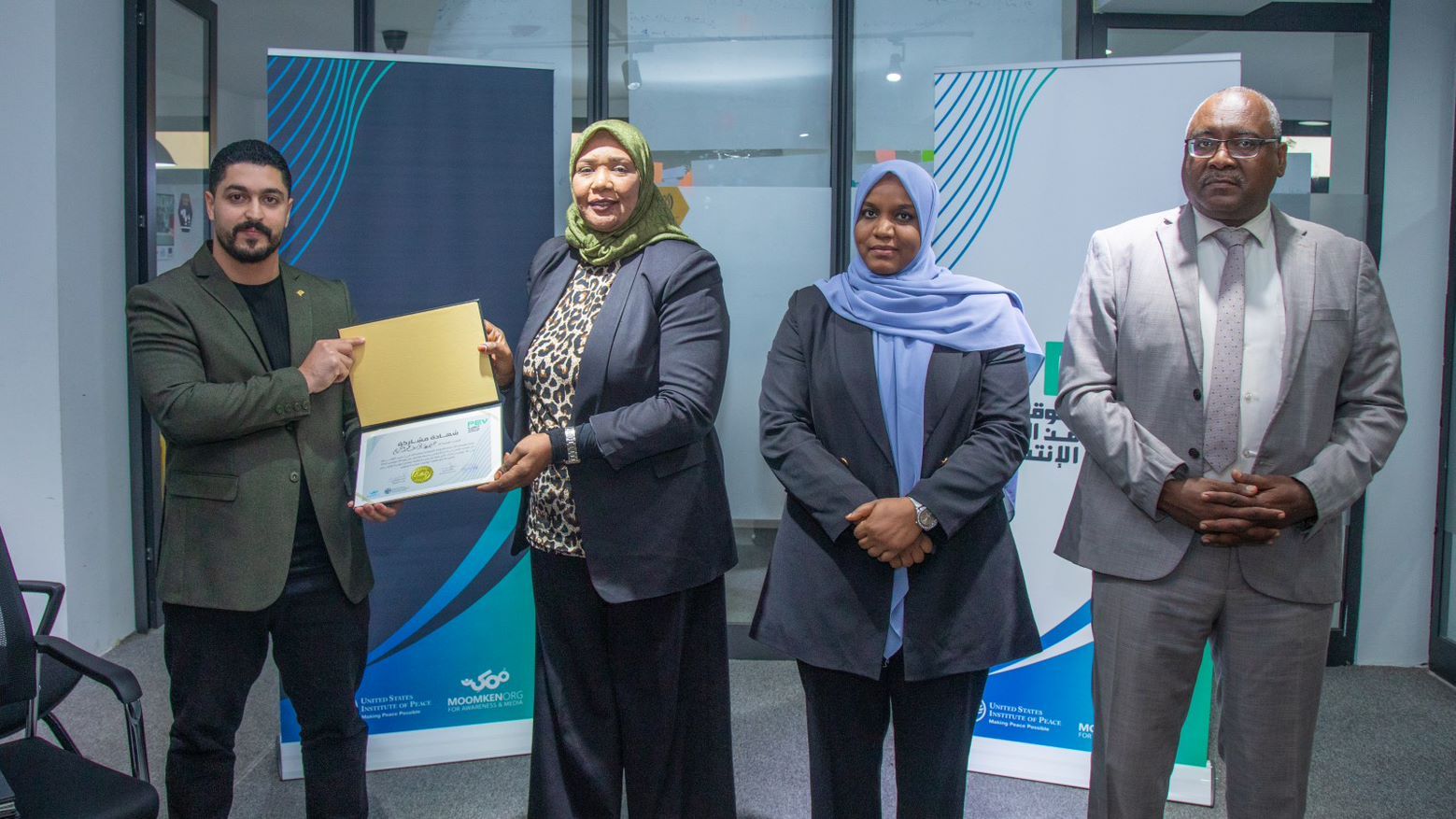
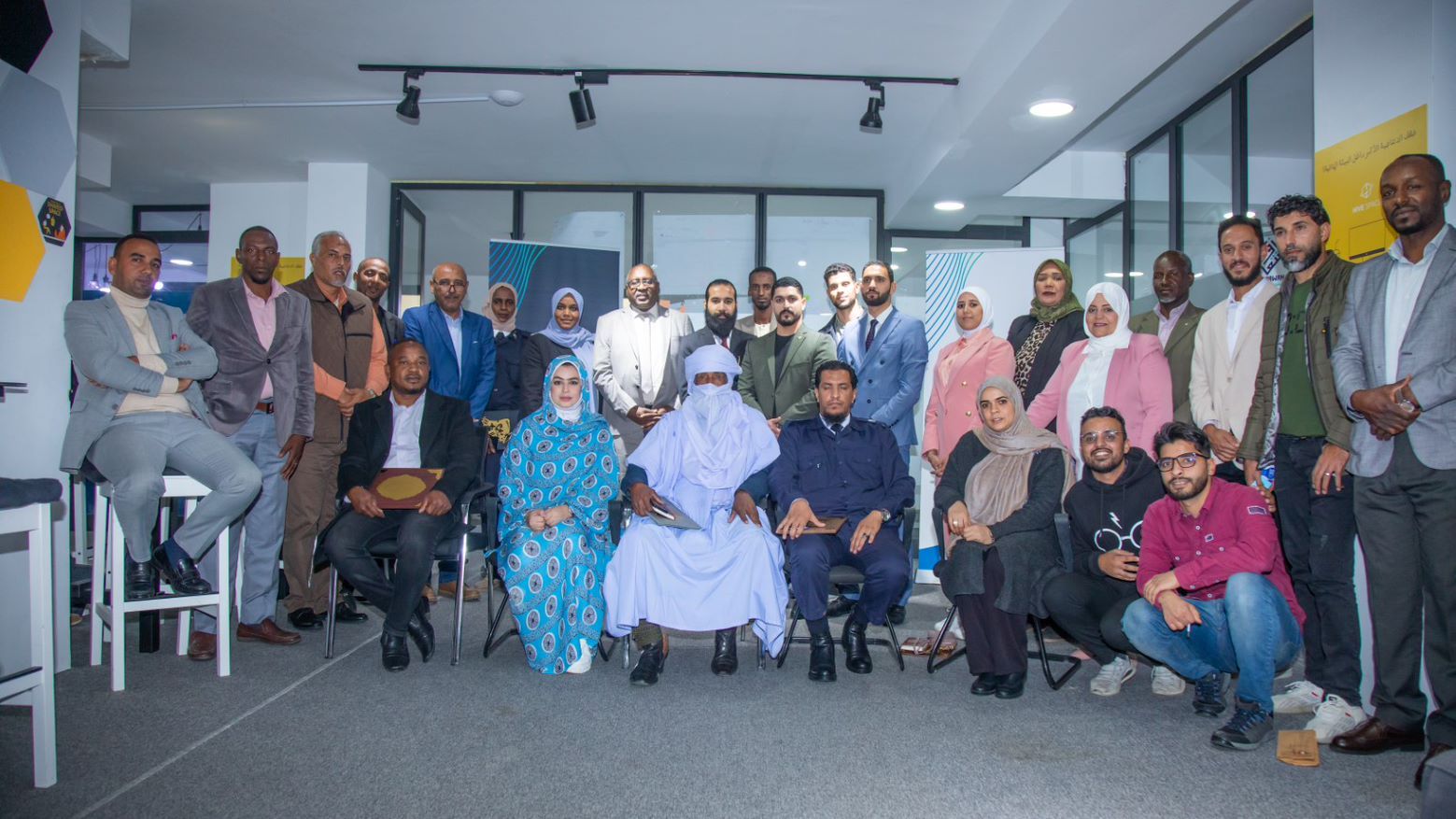
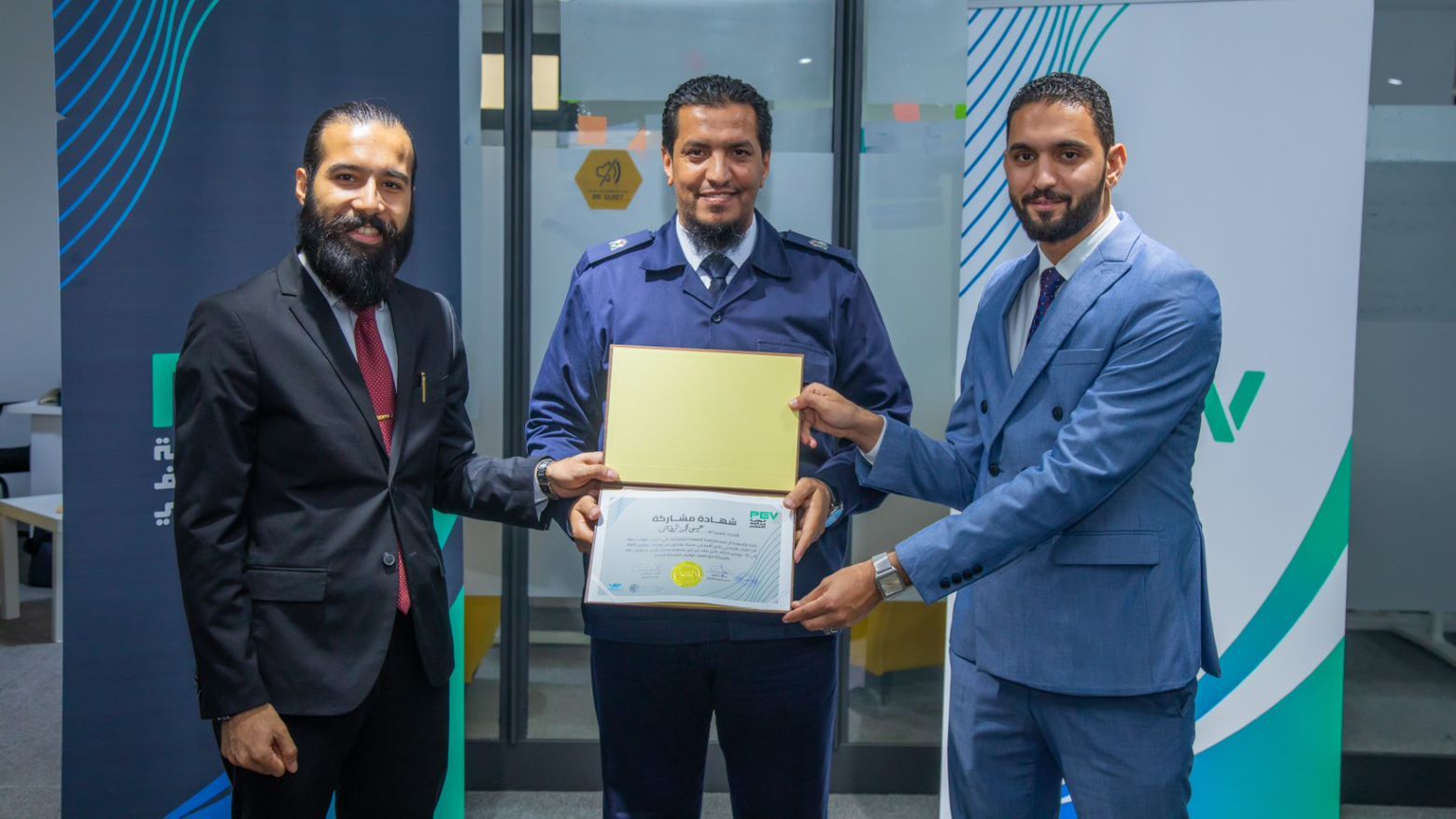
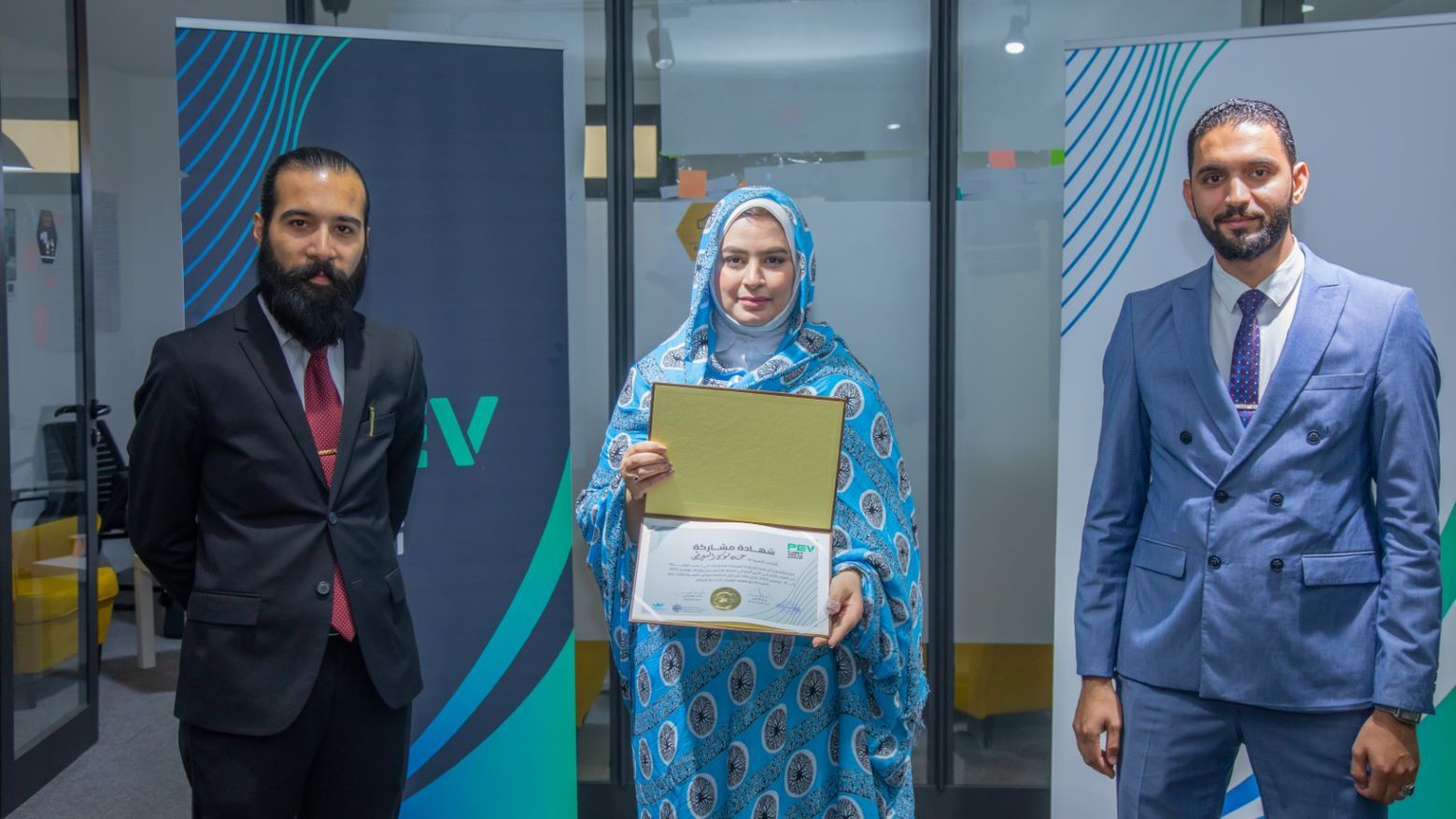
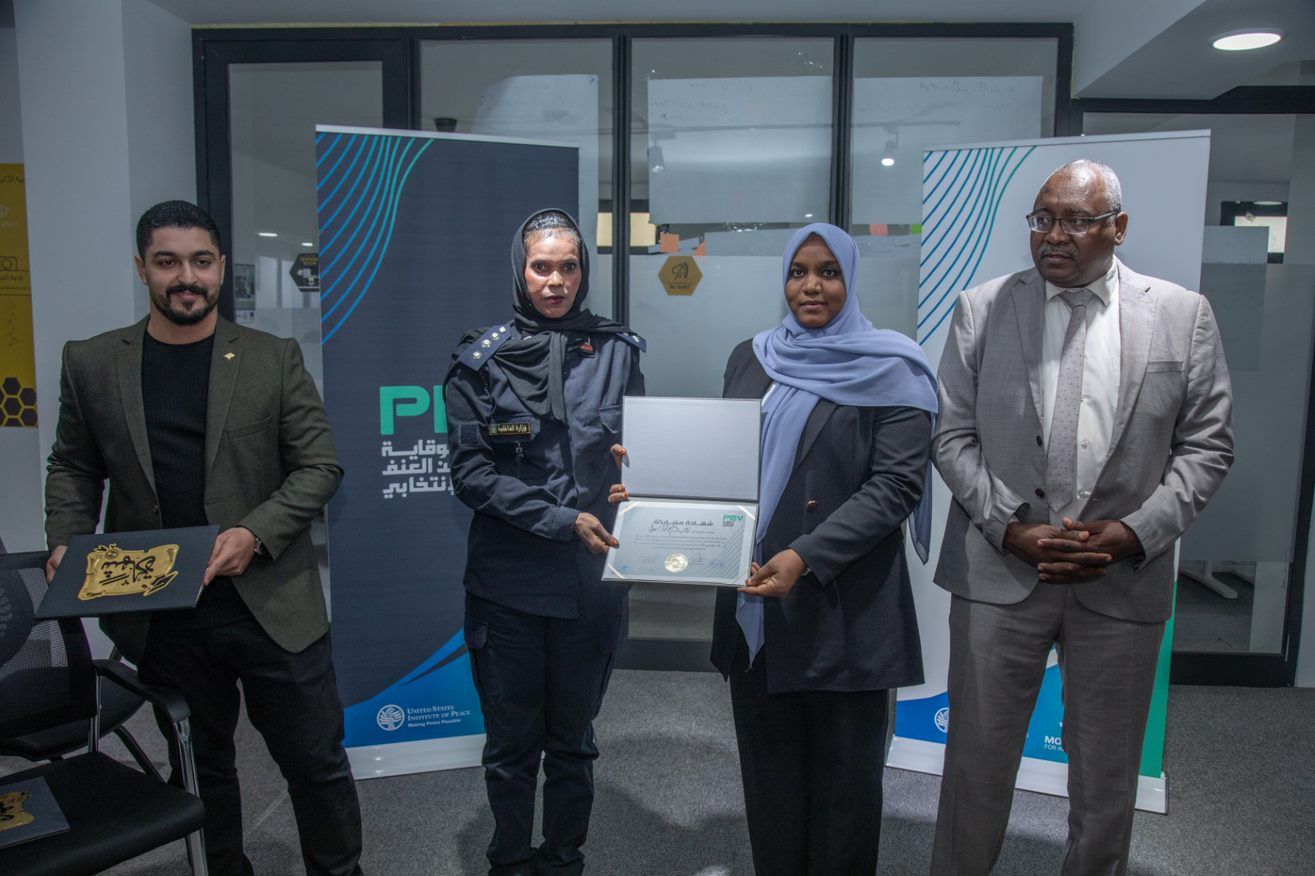
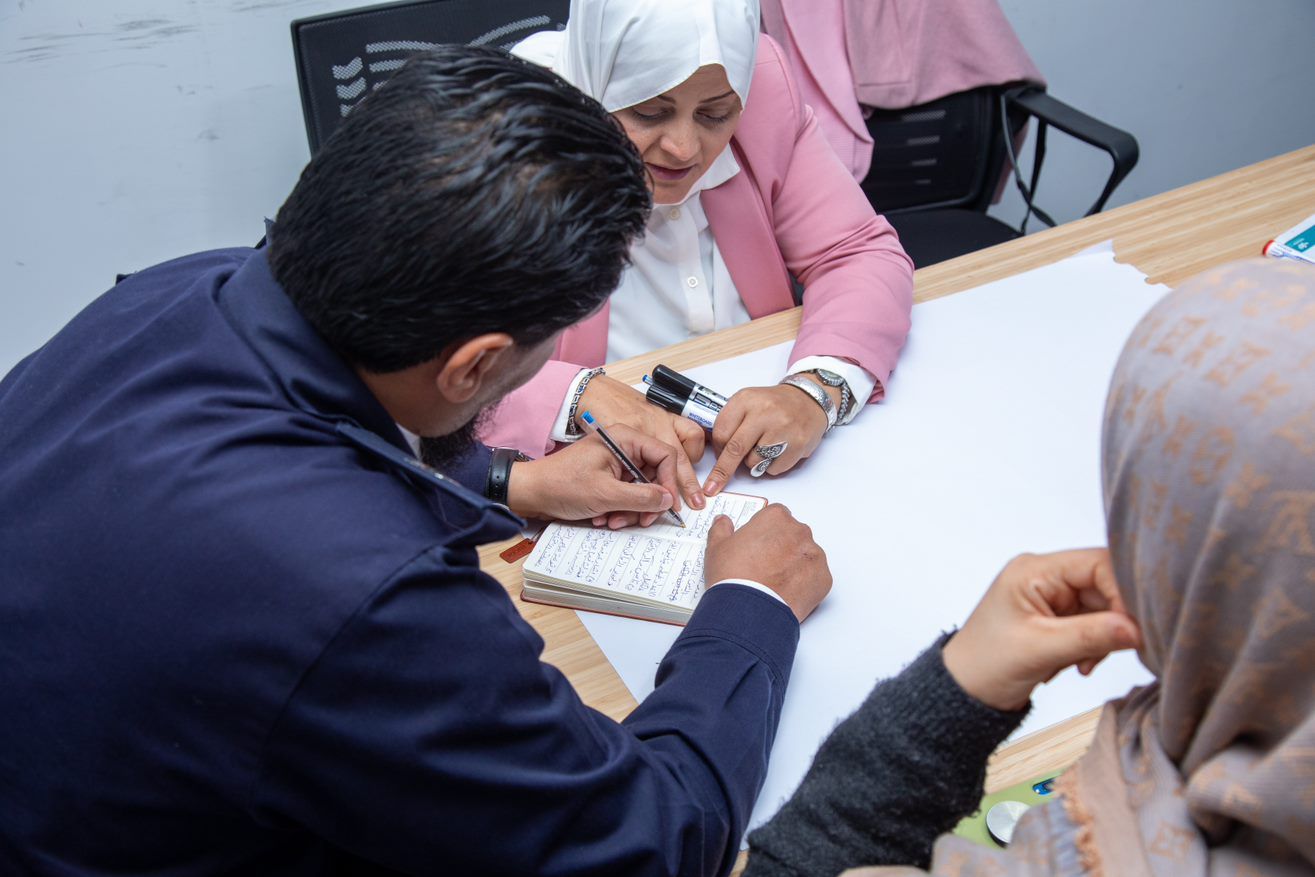
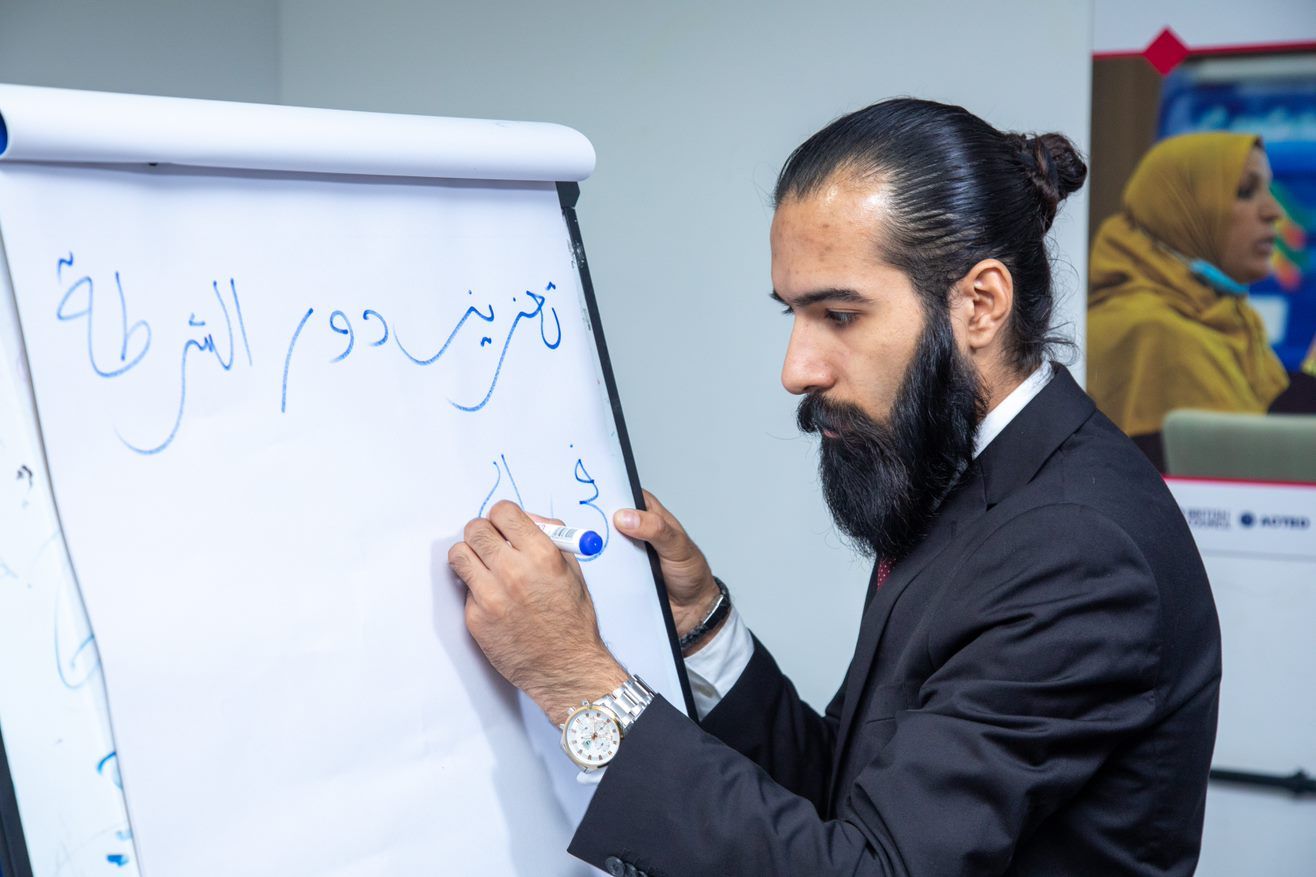
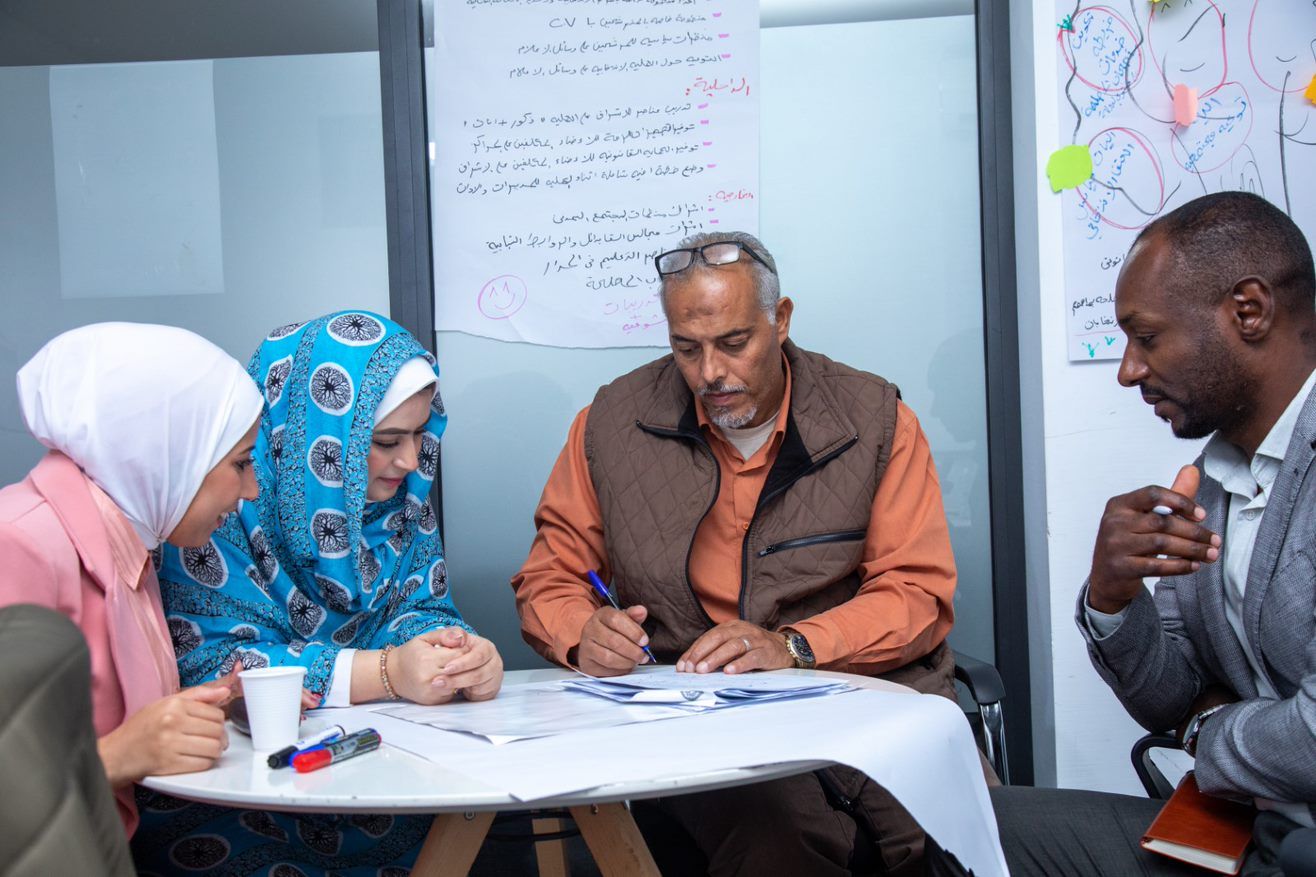
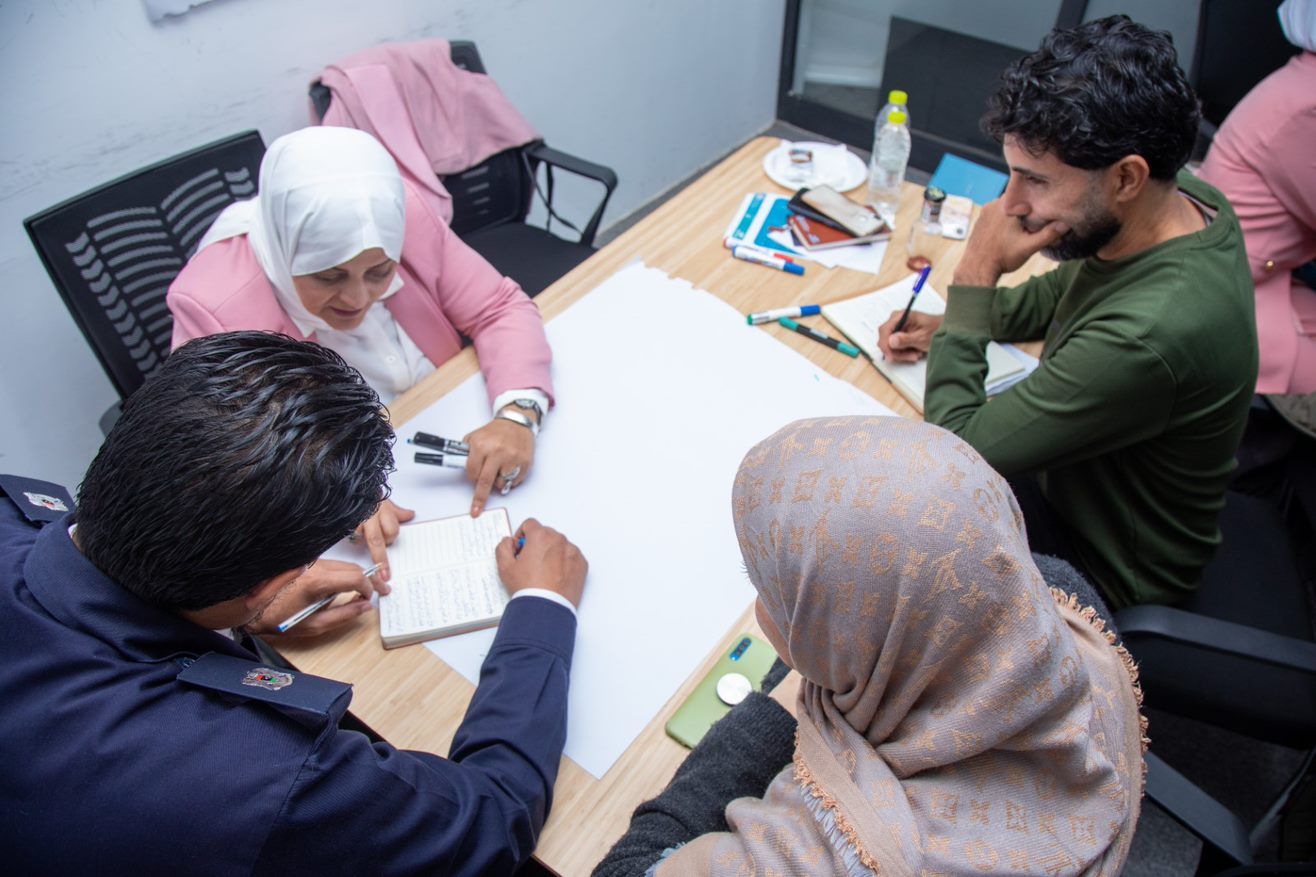
We Are Libyans
BACKGROUND
We are Libyans is a collaborative project Between Moomken org & Hexa Connections to create a virtual platform that promote national unity through films and movies.
The social media platform worked on presenting what brings us together as Libyans through our heritage, history and love to our country through a variety of media materials from digital posters to videos and short films in order to make a positive impact on the Libyan context.
The main goal of “We Are Libyans” is to support filmmakers and videographers in Libya. It ran a contest titled “Libya in My Eyes”, inviting short videos that portray the country’s beauty. The 20 best entries were followed by a ten-day filmmaking training with the Libyan director Abd Alrahman Geet, which gave the winners a full cinematic experience through a variety of workshops and sessions. This prepared them for the final stage of the project: producing a video on the theme of Libyan unity.
50+
Trainees
The trainees films were published on We are Libyans platform and shared with the Libyan audience to show the great results the trainees created, and the ending ceremony which took place in the old city of Tripoli, the ceremony was held to announce the contest winners and to celebrate all the trainees and all of their efforts and great work.
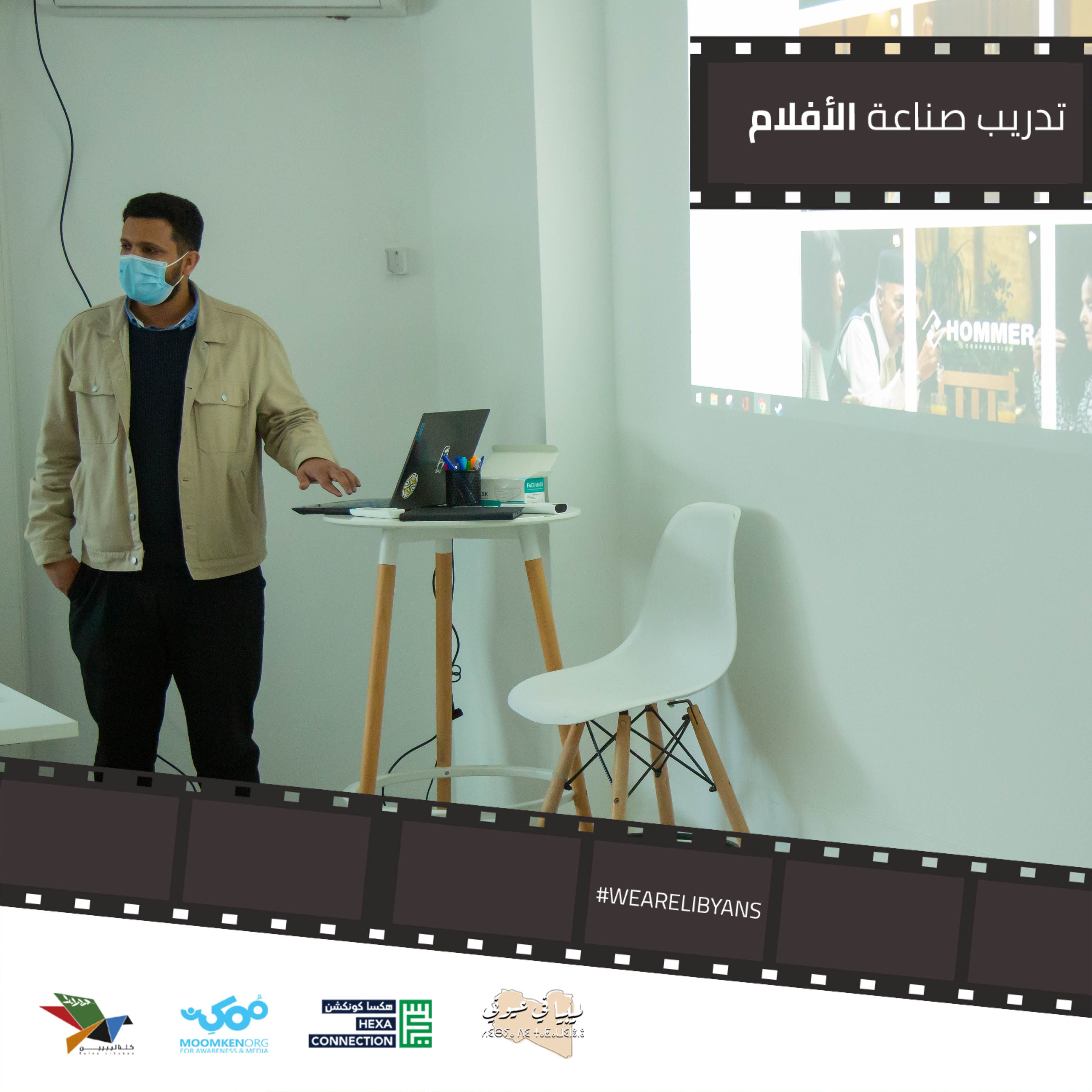
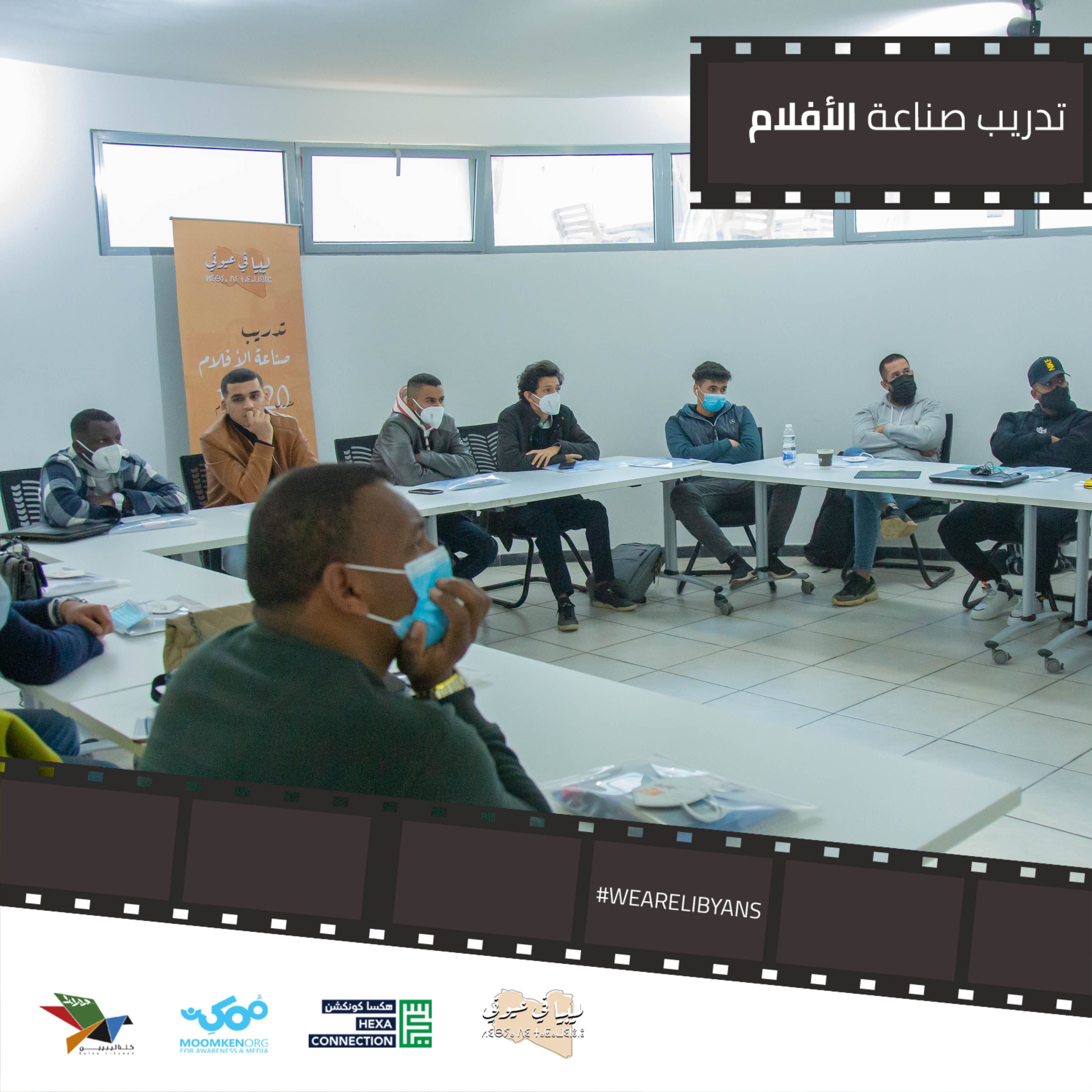
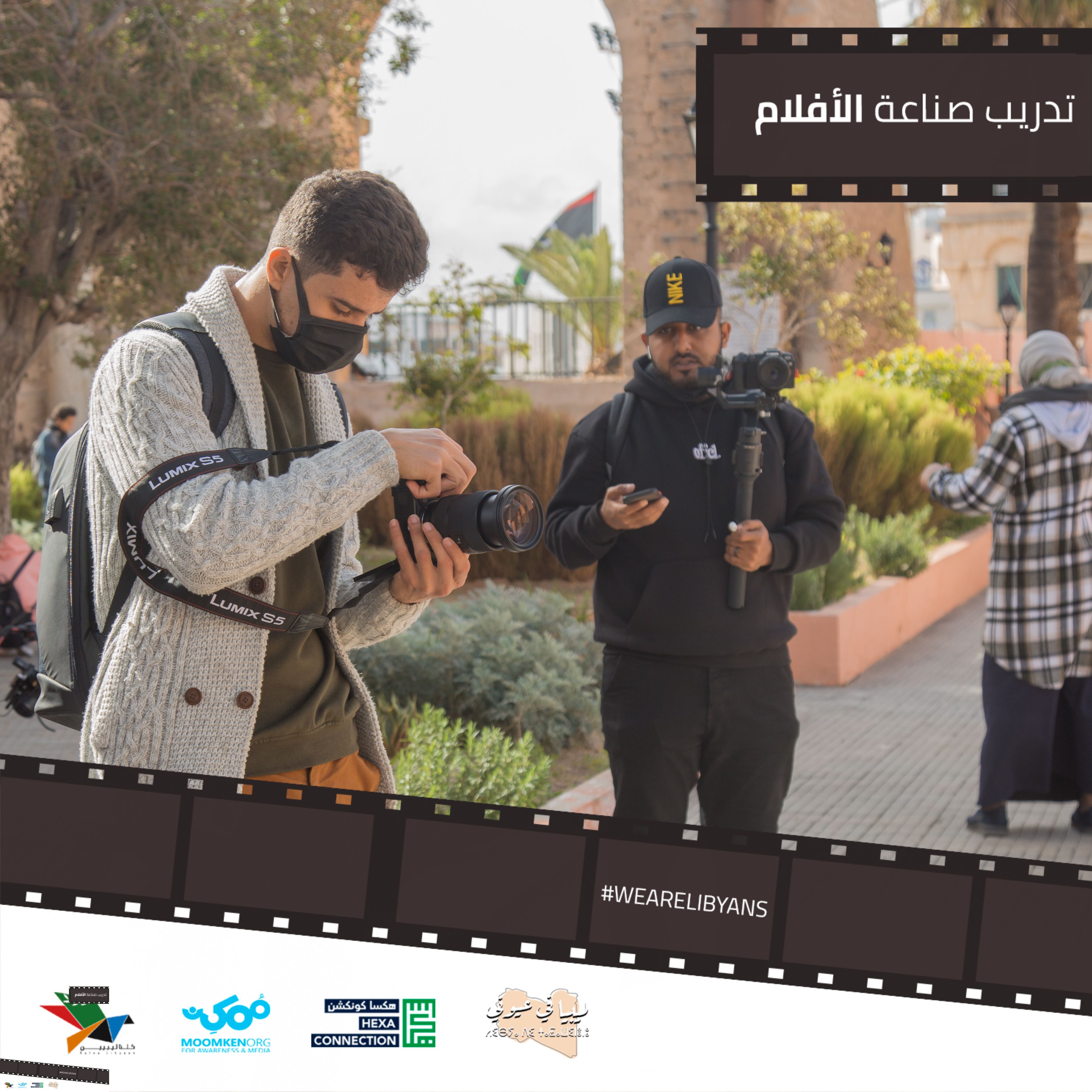
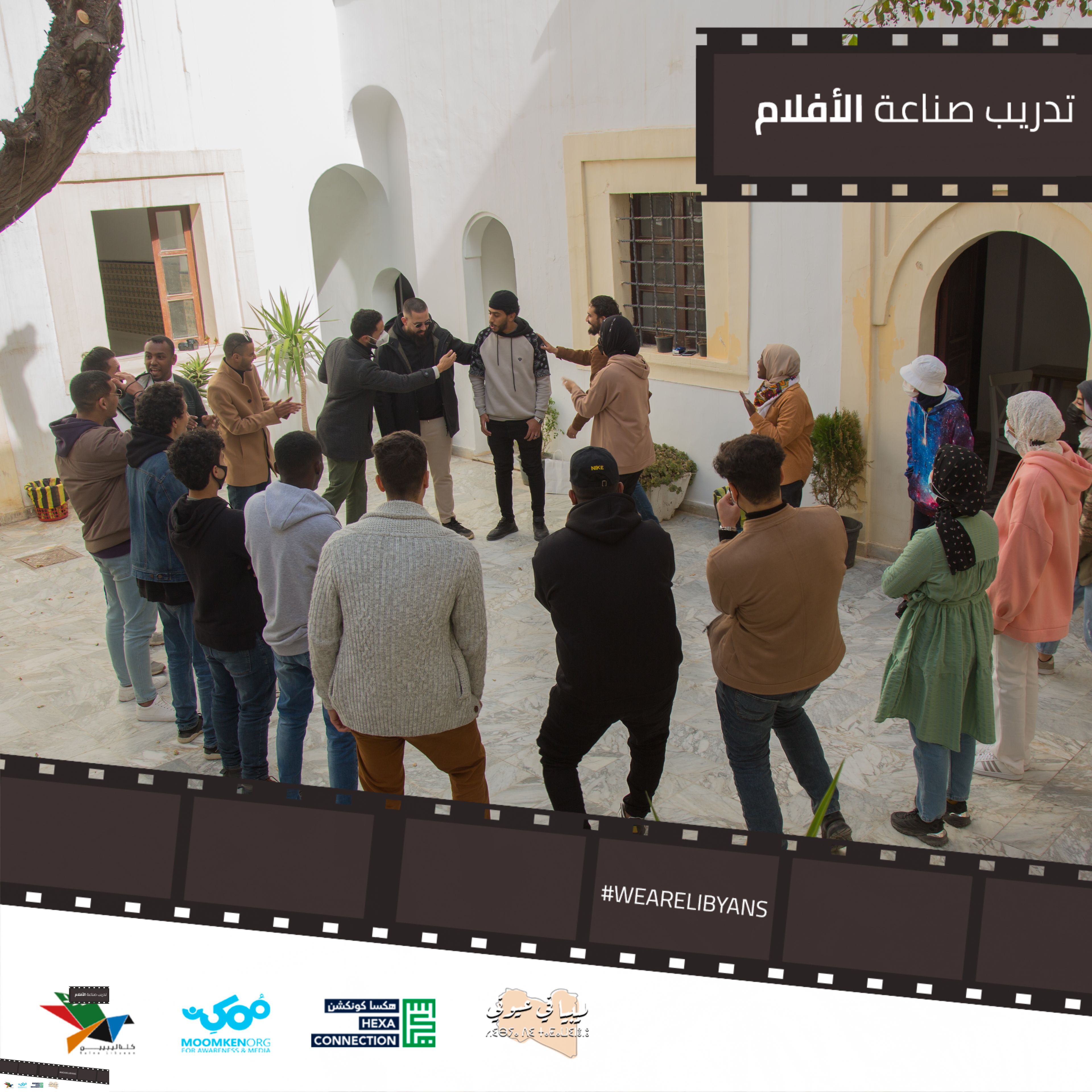
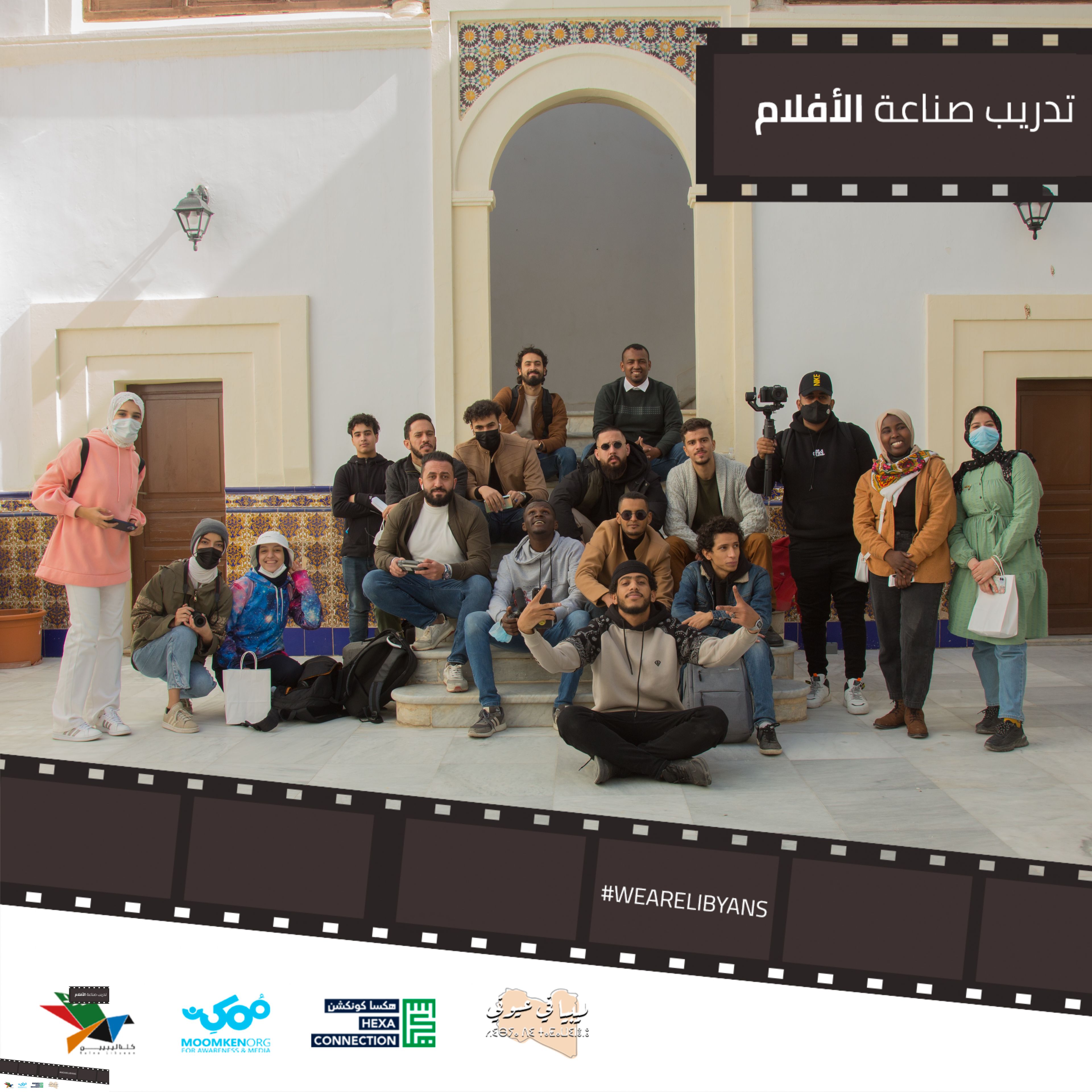
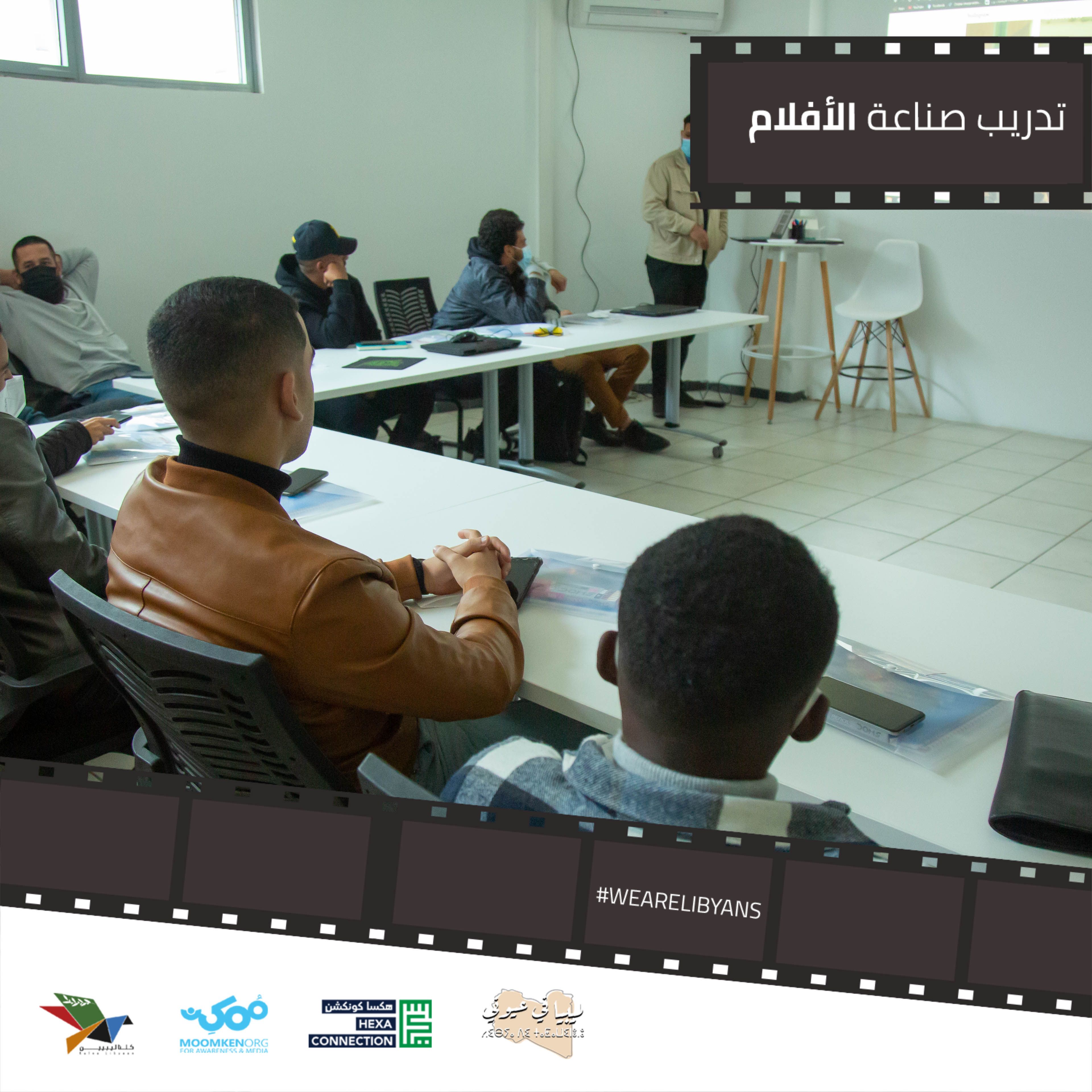
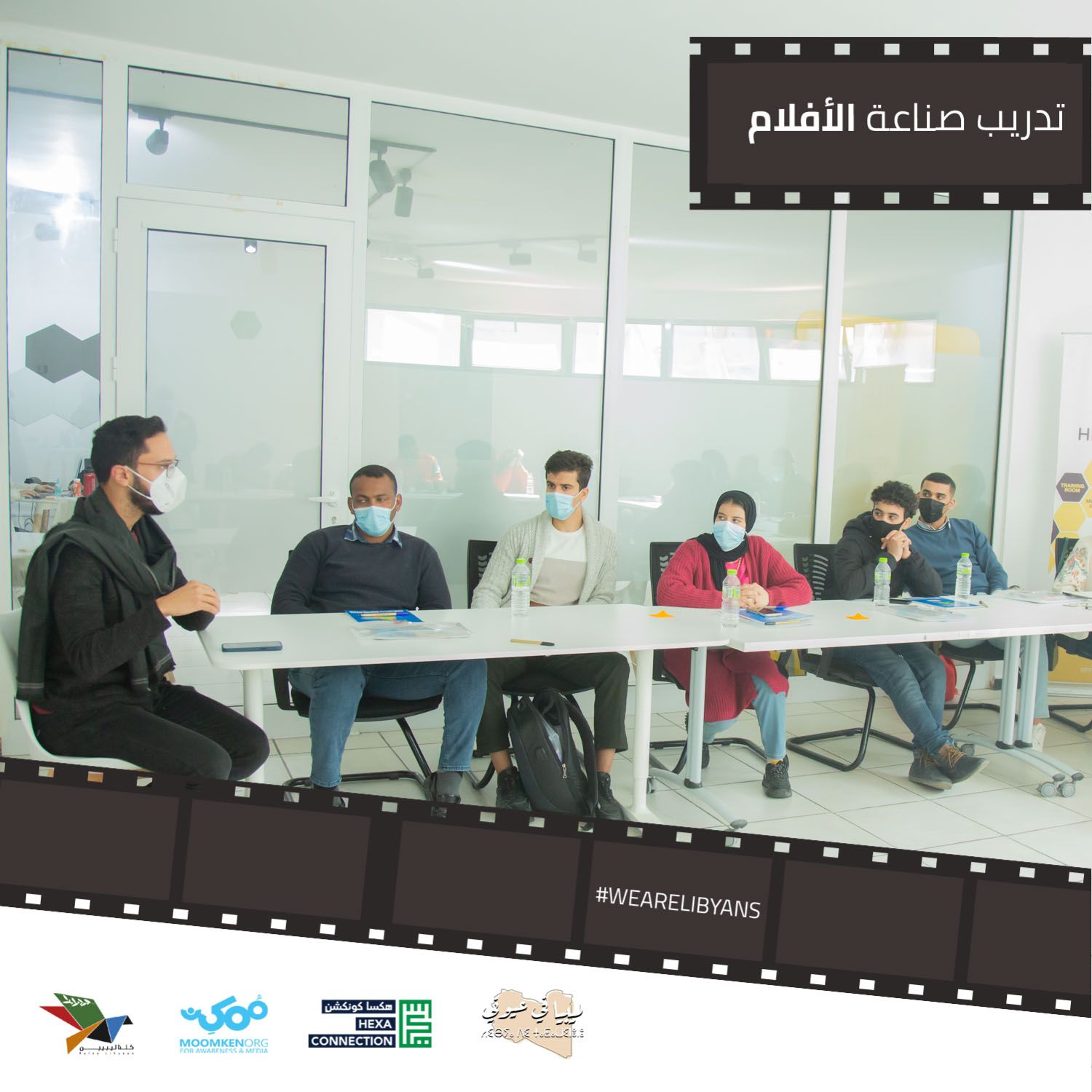
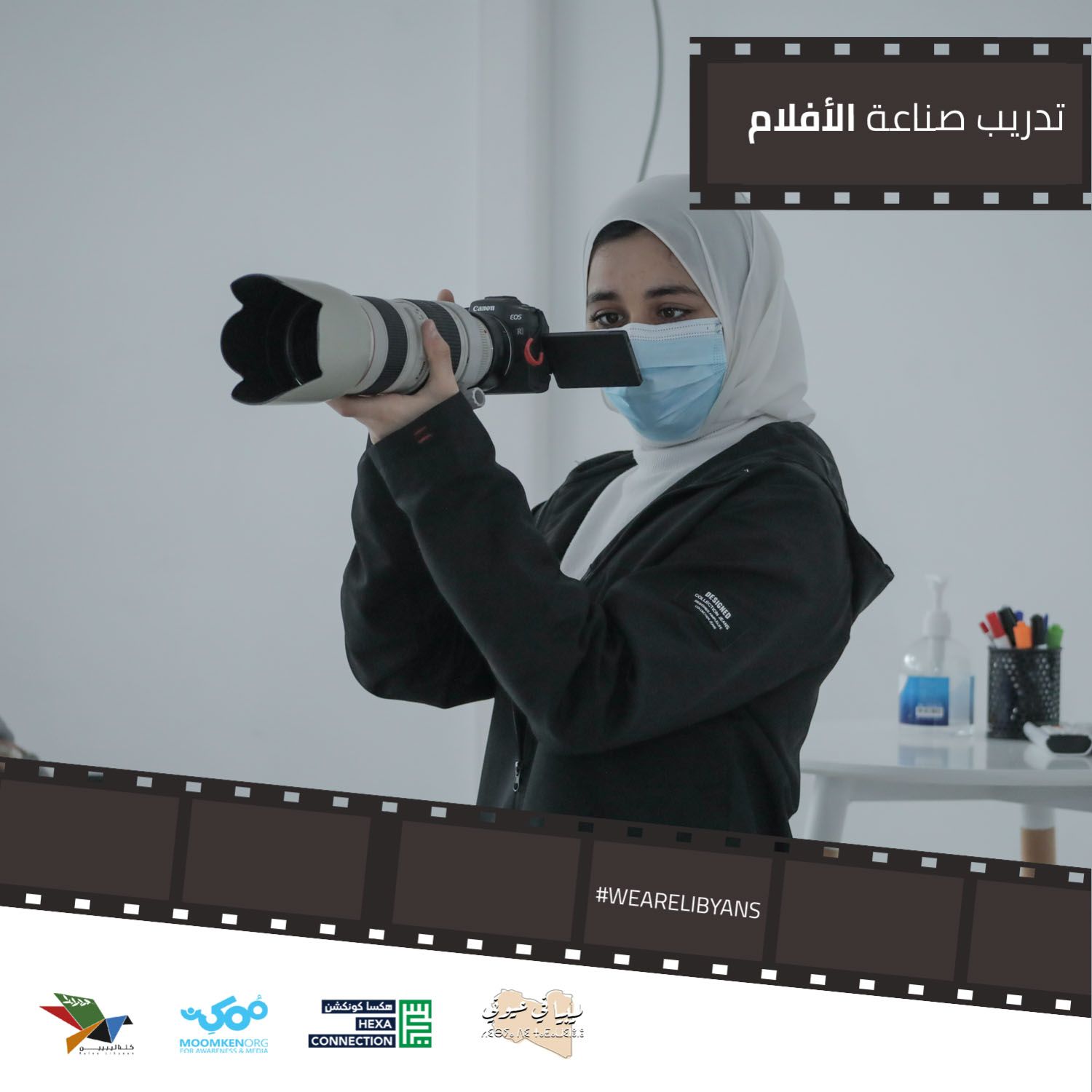
Hankamel Taleem | Online Education
BACKGROUND
Hankamel Taleem is a campaign launched in March 2020, when the outbreak of the coronavirus pandemic halted the educational process across the country. The campaign set out to promote the importance of e-learning and its contribution to sustaining education in Libya during that period.
The Moomken team produced a large collection of professional, high-quality educational videos covering different stages of the school year. With the help of a group of expert teachers, the videos were designed to strengthen students’ learning through self-study.
Hankamel Taleem is the first step of the Libyan open e-learning project, an idea that began in 2018. Moomken worked with a number of initiatives to build experience in this area within the Libyan context, starting with a training and development platform called MOCS. That platform was then extended to deliver lessons to primary, preparatory and secondary students: a dedicated site was opened on MOCS.ly, named ht12.ly and branded “Hankamel Taleem”, offering curricula from the third primary to the third secondary level in both literary and scientific tracks.
Through the Hankamel Taleem platform we aim to spread the benefits of e-learning in Libya and use them to improve the quality of educational outcomes and student attainment. The platform will be updated regularly with new lessons covering the current curricula set by the Ministry of Education, and will add interactive features to make the material more useful to visitors and registered users. Direct communication channels will be opened between teachers and students during lessons, allowing student progress to be monitored and learning outcomes assessed. The platform will also help parents follow and evaluate their children’s progress, and reduce spending on private tutors.

Peacebuilding in Libya
PROJECT #1
Developing The Capacities Of Young Community Leadership
The main objective of the project to develop the capacities of young community leadership in the field of peace building in the West Coast region – Libya is to rehabilitate 15 young men from the regions of the West Coast, which are cities: (Al-Jamil, Ajilat, Zuwara, Raqdalin, and Zaltan) and empower them in the field of peace building in several areas such as training and management Dialogue sessions, focus sessions, and work to follow up the early warning system for conflict in the region, by activating the Pioneers of Peace Network, which Moomken Organization for Awareness and Media is currently working on.
PROJECT #2
Resolving The land-based Conflict Between Al-Sa'an and Nalut regions
The community dialogue initiative that it is intended to launch aims to find a common ground for setting up a mechanism for resolving the land-based conflict in the Al-Sa’an and Nalut regions, and to work with the official authorities and councils in the two regions and social leaders to ensure community peace and coexistence between the people of the same nation.
PROJECT #3
Communication Committee Between The Municipalities of Baten al-Jabal (Al-Sayan) and Nalut
This project trains and qualifies the committee’s team from both parties, enabling them to play a role in the communication process and to ensure that information and data reach citizens so services can be delivered. It also establishes a reliable communication channel that avoids the sensitivities of a conflict arising from missing information or rumours between the parties.
PROJECT #4
Municipal Development Program in the Context of Mixed Migration in Libya
GIZ intends to conduct rapid contextual analyzes in partner municipalities with the aim of assessing conflict potential as well as security and operational risks. The overall objective of the analysis is to provide results related to different measures of sensitivity of the social context within the target municipalities. The analysis should examine the social peace context in each community as well as the resources that exist to manage challenges in the context of social peace. The analysis should focus specifically on municipal perceptions of the impact of migration on the context of social peace and on the greatest protection needs within a community.
PROJECT #5
Youth Peacebuilding
The project Communicating with reconciliation committees and municipal councils in the target areas and introducing the project, and we will ask them to nominate, recommendations and self-presentation of the targeted youth from the training course, Moomken will conduct interviews for proposed youth to attend the online training course on dialogue, reconciliation, conflict analysis and dialogue facilitation, after the participants returning to their cities they will and hold workshops with their local community, local leaders and decision makers with three (5) workshops targeting 10 people each, after the end of meeting at we will conduct another meeting with trainees to discuss developments in the project to discuss strengths and weaknesses also how to proceed and target larger segments of communities to talk about conflicts and build the idea of peace in the minds of society, the result of workshops will be used to launching a media campaign to encourage young adults to join civil work to work more on peacebuilding, social cohesions. In the end of the project we will honoring the trainees and launching a youth network for reconciliation.
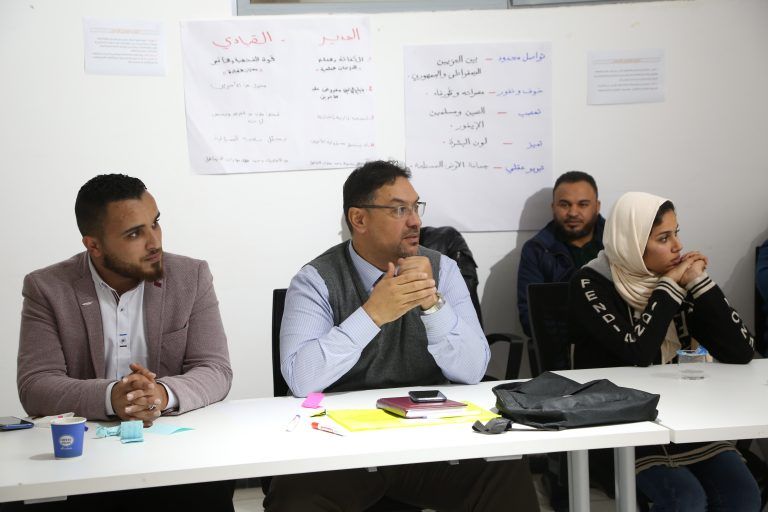
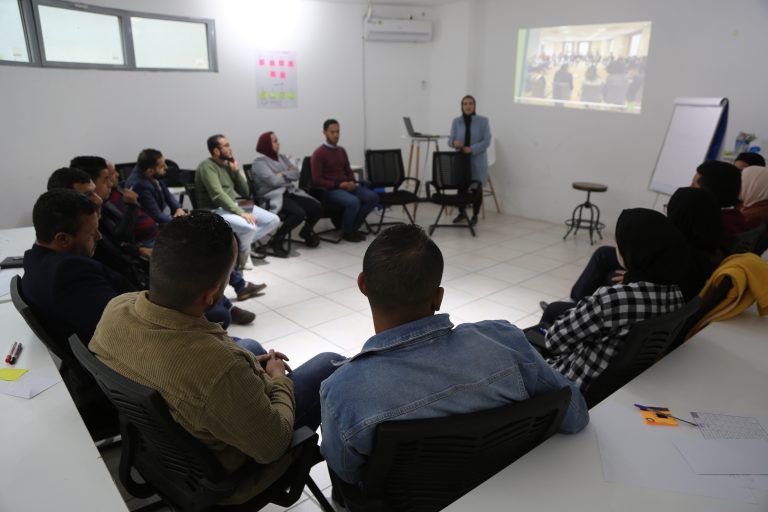
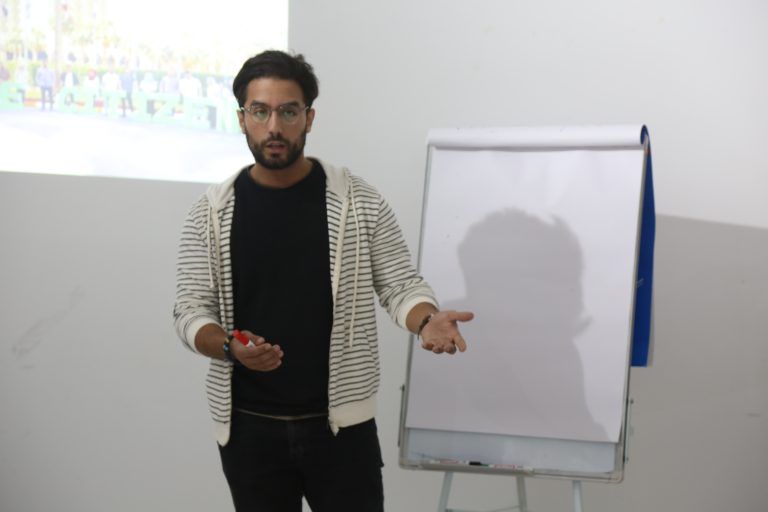
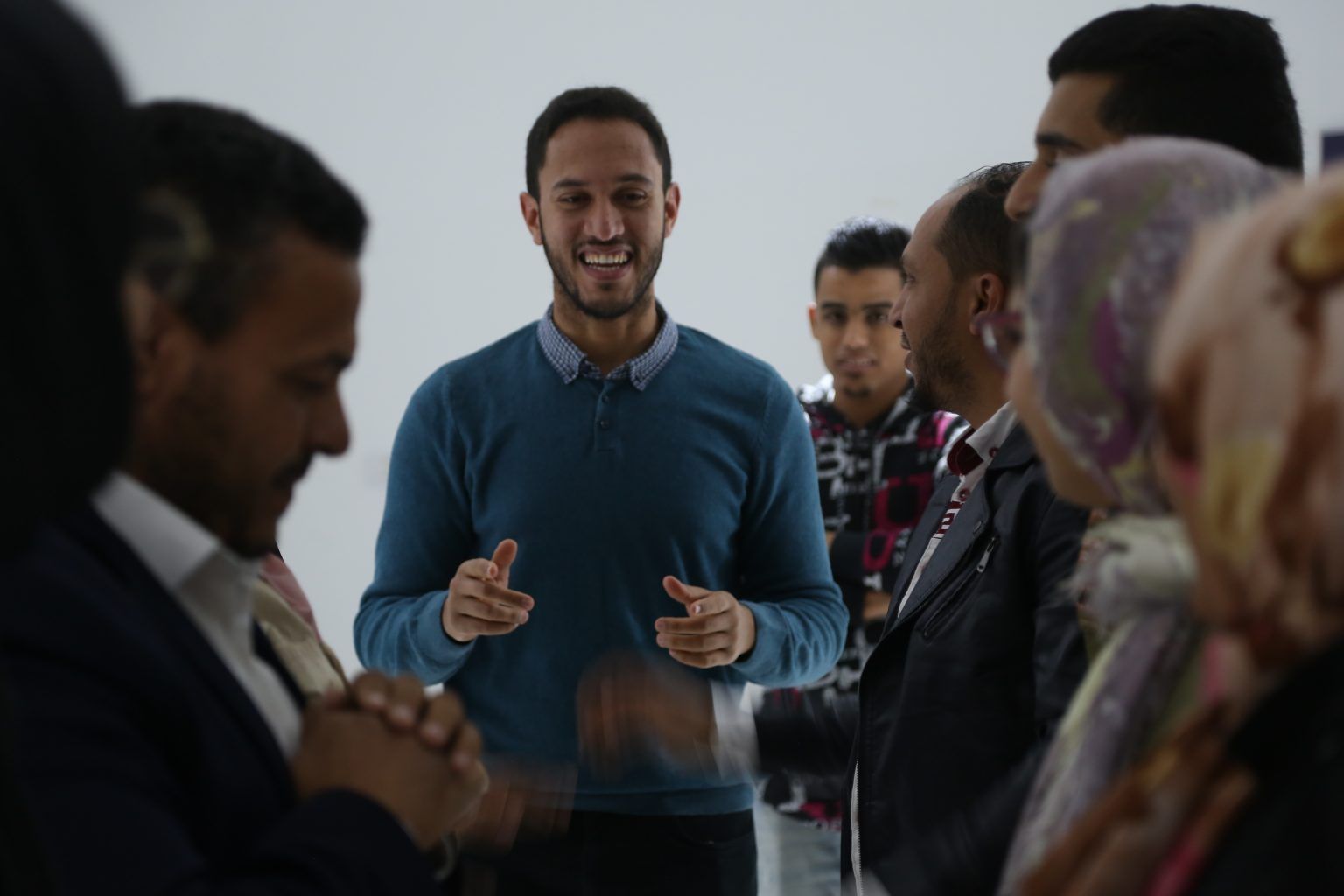
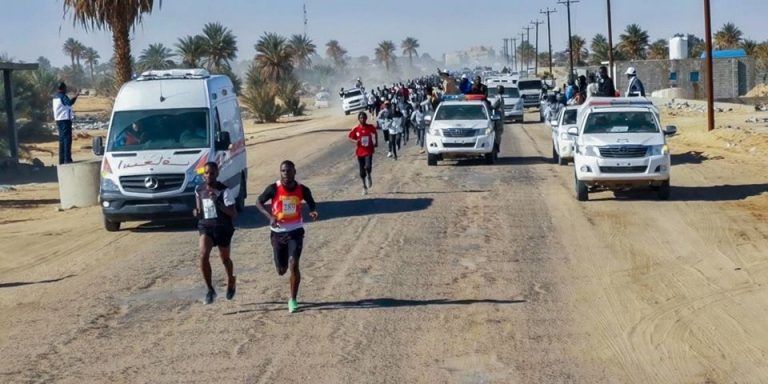
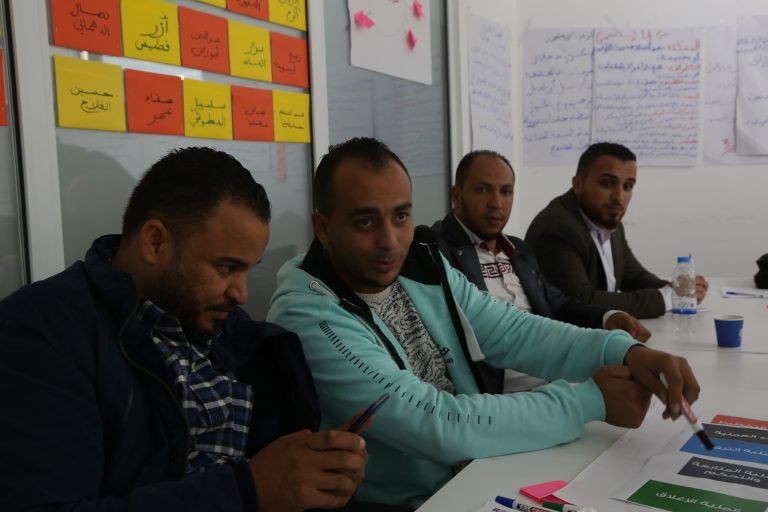
Reyda Academy for Entrepreneurship
BACKGROUND
Reyda Entrepreneurship Academy is one of the projects of the Moomken Organization that was launched in early July 2020 with the support of the International Organization for Migration (IOM). Within the projects supporting livelihoods in different cities of Libya. As this project targeted two cities in southern Libya, Sabha and Qatroun.
50+ TRAINEES FROM SABHA AND QATROUN
VISION
One of Moomken’s goal is to help entrepreneurs develop self-learning skills through tools such as the proposed e-learning system that will be developed through this program. This will allow them to have access to a wide array of business learning opportunities even after finishing Moomken trainings. This would help not only program participants, but others in their communities as well as they share their knowledge and the learning platform with others to spread the entrepreneurial spirit. Moomken believes that the increase in individually owned small businesses will also help create job opportunities for IDPs and migrants in these communities with significant amounts of these populations.
IDEA
According to LibyanInvestment.com, as of July 2019 around 73% of private sector jobs opportunities are based in Tripoli and around 12% in Benghazi, leaving somewhat limited job opportunities throughout the rest of the country. This project therefore aims to help people interested in business from around Libya, specifically from Sabha and Qatroun, learn how to establish new businesses and to provide them with assistance as they return to their municipalities to start their businesses. This project will also address the need for more inclusive business opportunities in Sabha and Qatroun and develop needed entrepreneurial skills to strengthen participants’ knowledge of business in order to meet today’s market challenges.
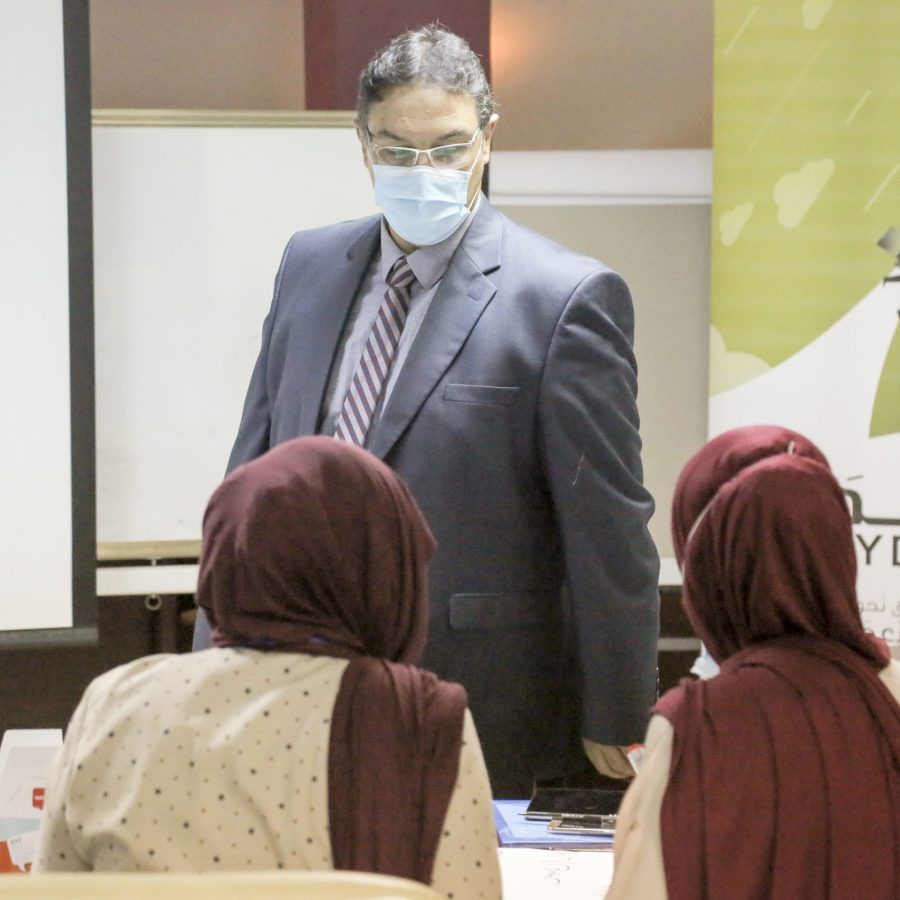
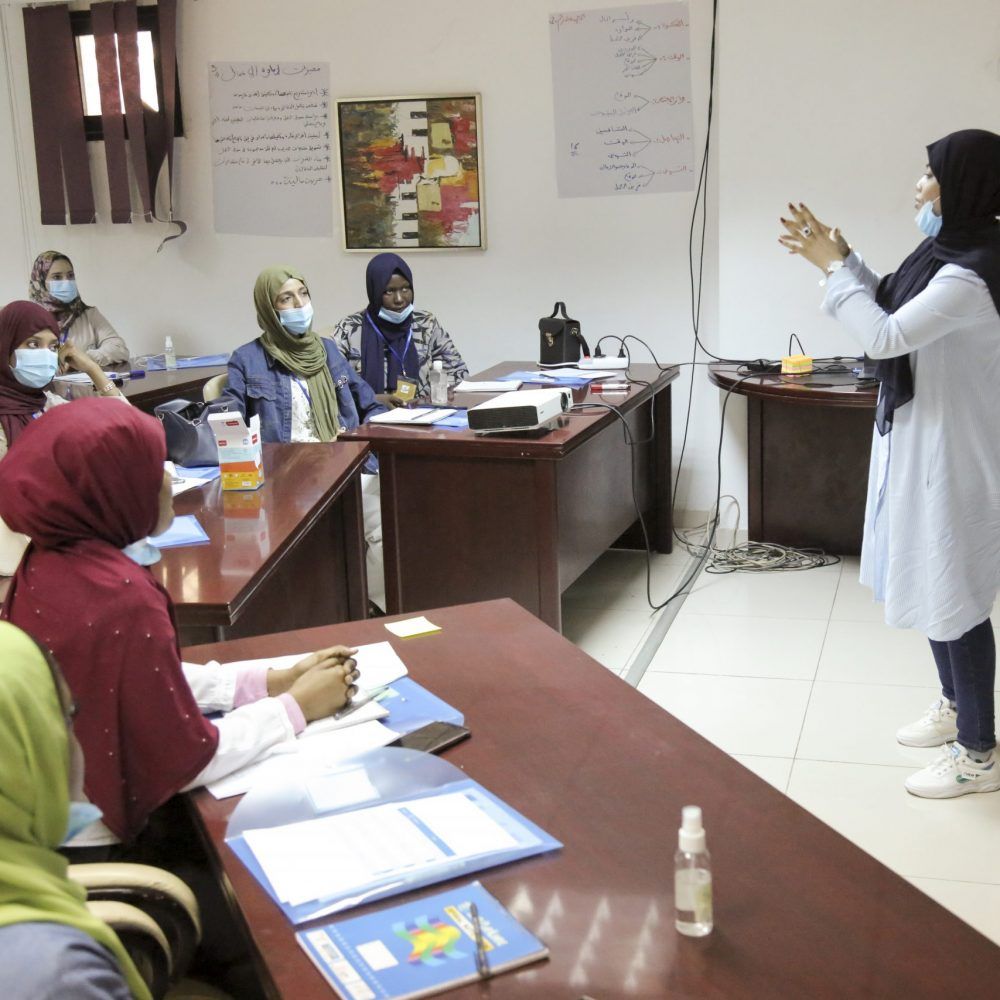
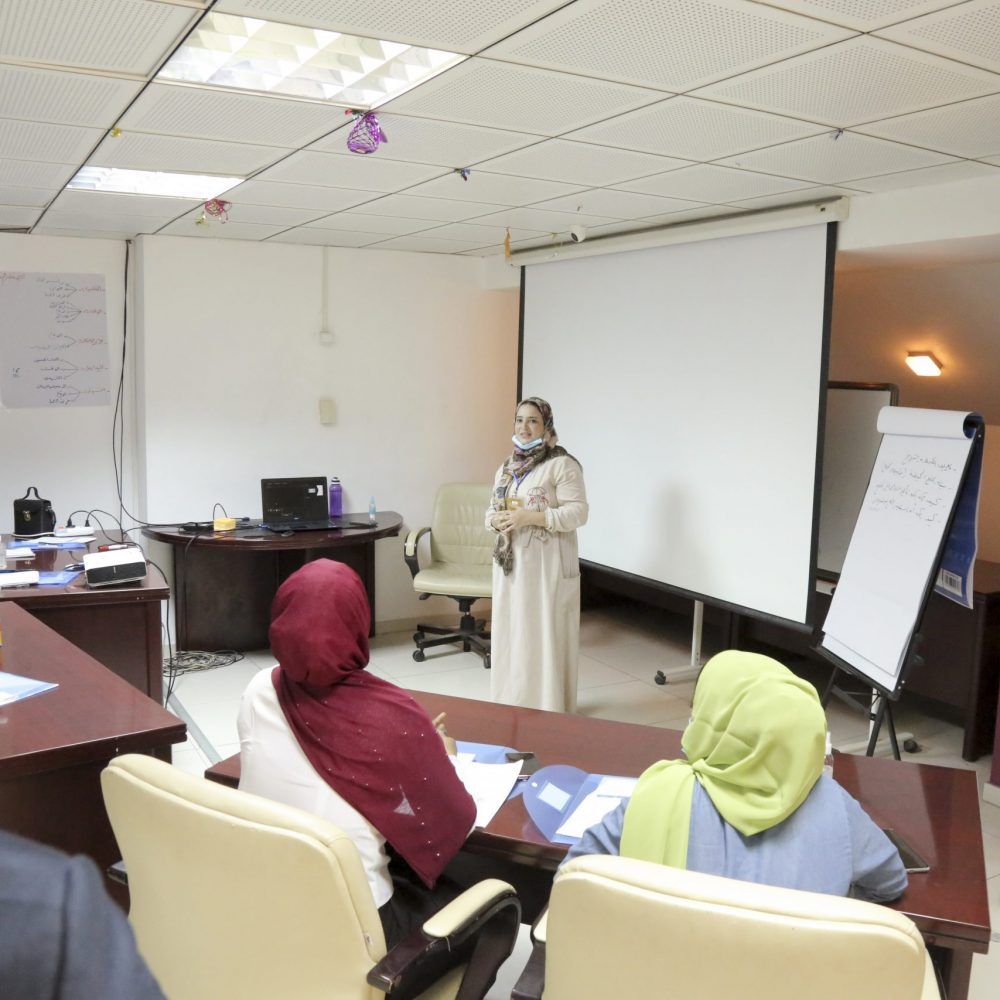
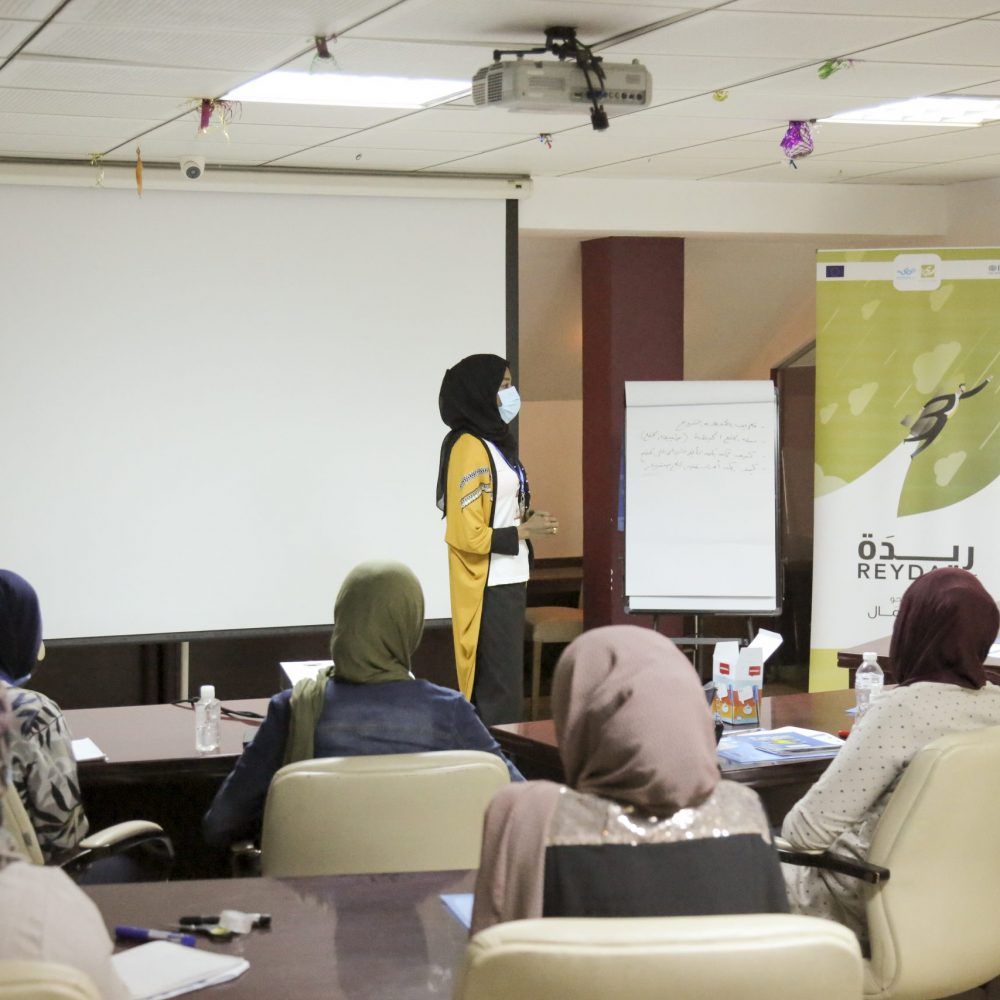
Tawasul Call Centre | CFM
1404
TAWASUL CFM
As part of the 2019 Libya Humanitarian Response Plan (HRP) and on behalf of the
Humanitarian Country Team (HCT), the Emergency Telecommunications Sector
(ETS) will implement a Common Feedback Mechanism (CFM) in connection with
delivery and impact of humanitarian assistance programs in Tripoli, Libya.
BACKGROUND
As part of the 2019 Libya Humanitarian Response Plan (HRP) and on behalf of the Humanitarian Country Team (HCT), the Emergency Telecommunications Sector (ETS) will implement a Common Feedback Mechanism (CFM) in connection with delivery and impact of humanitarian assistance programs in Tripoli, Libya. The CFM will be in the form of a toll-free, country-wide number that affected populations can call to obtain information on humanitarian assistance programs; submit their feedback and get referrals to the humanitarian organizations that are best-suited to handle their issue(s).
The CFM will enable the humanitarian community to collect feedback directly from the affected populations; better understand the needs on the ground, and take better-informed programming decisions.
In emergencies where a Cluster Approach or Sector is activated, best practice recommends using a single phone number as an entry point for queries from affected populations, and a coordinated mechanism to later channel these queries to individual mandated organizations. This single number within the international humanitarian architecture allows members of the affected population easier access to answers, speeds up the resolution of issues and allows greater access for NGOs to government and UN decision-makers, thereby improving aid delivery efficiency.
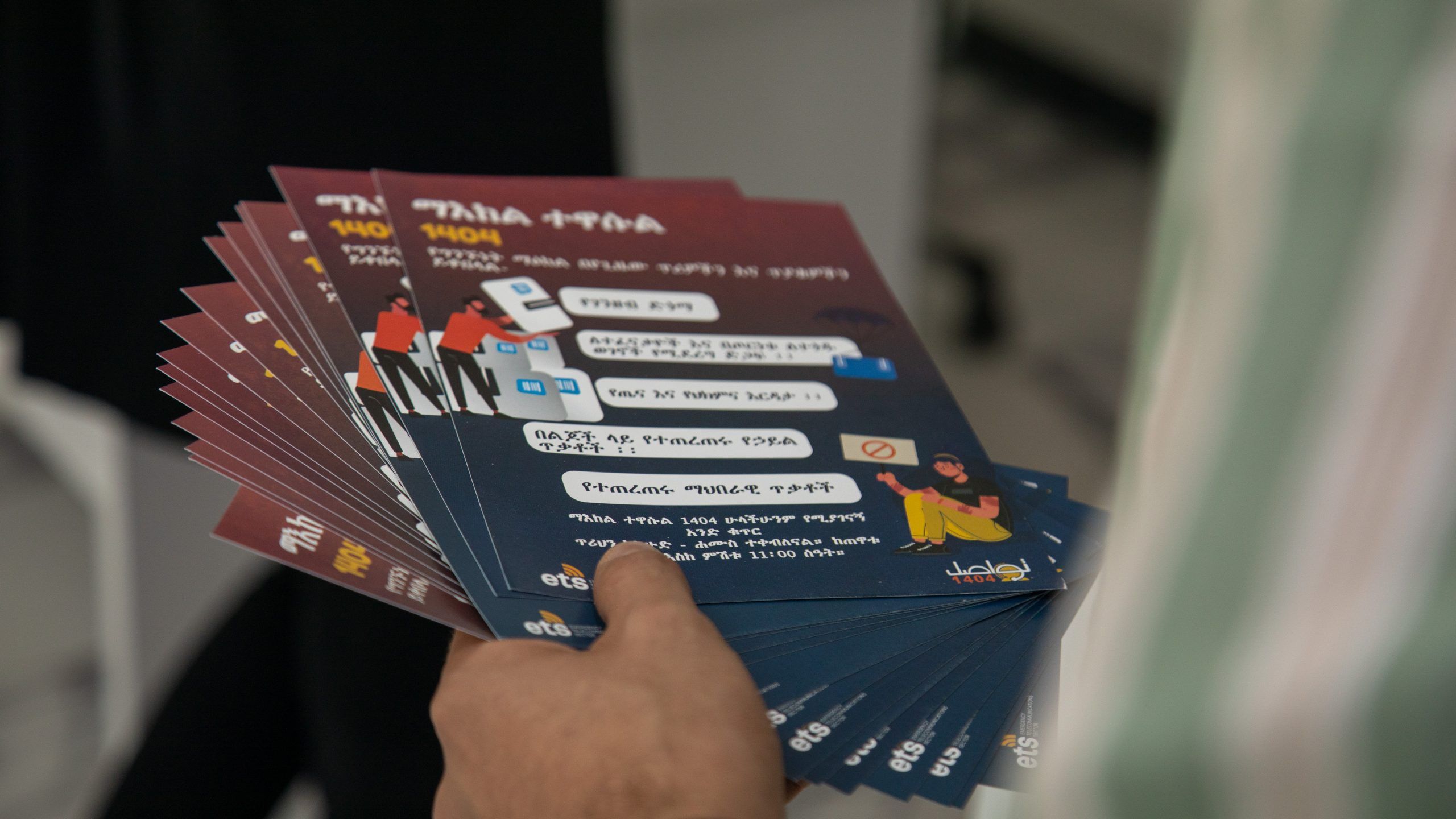

Rowad Peace & Development Youth Forum
BACKGROUND
The forum lasted three days in Tripoli and was attended by 52 youth from eight different municipalities. The main purpose of the forum was to create networks and contact between active youth from various municipalities, as well as to discuss peace methods and youth empowerment, and give recommendations to governmental and non-governmental actors. Twelve multipliers presented their projects on the first day, detailing how they developed them and how they applied what they learned at the summer camp training. The audience was given the space to ask questions in order to learn more about the experiences of multipliers.
On the second day, there was a space for the participants to share their thoughts on the projects and how they evaluated each other. The purpose of the session was to look at the possibilities of implementing projects in municipalities other than those where they had been implemented, as well as to share the challenges that each municipality faces.
The day was concluded by sharing opinions about how local authorities can support youth projects and remove any hindering barriers. What if municipal councils and government policies and practices were more geared towards the youth?
The third day began with a discussion on the barriers to youth engagement, the moderator explained the concept of strategic planning, and explained specific political planning was applied in the area of each participant. Participants made recommendations to decision-makers, civil society organizations, and local organizations at the end of the day.
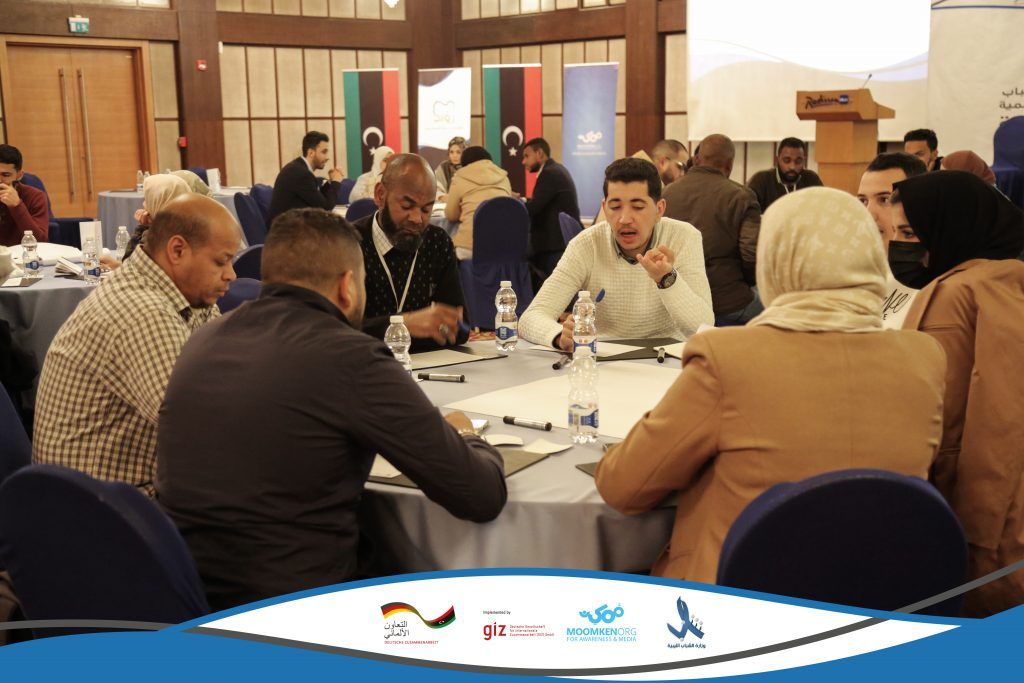
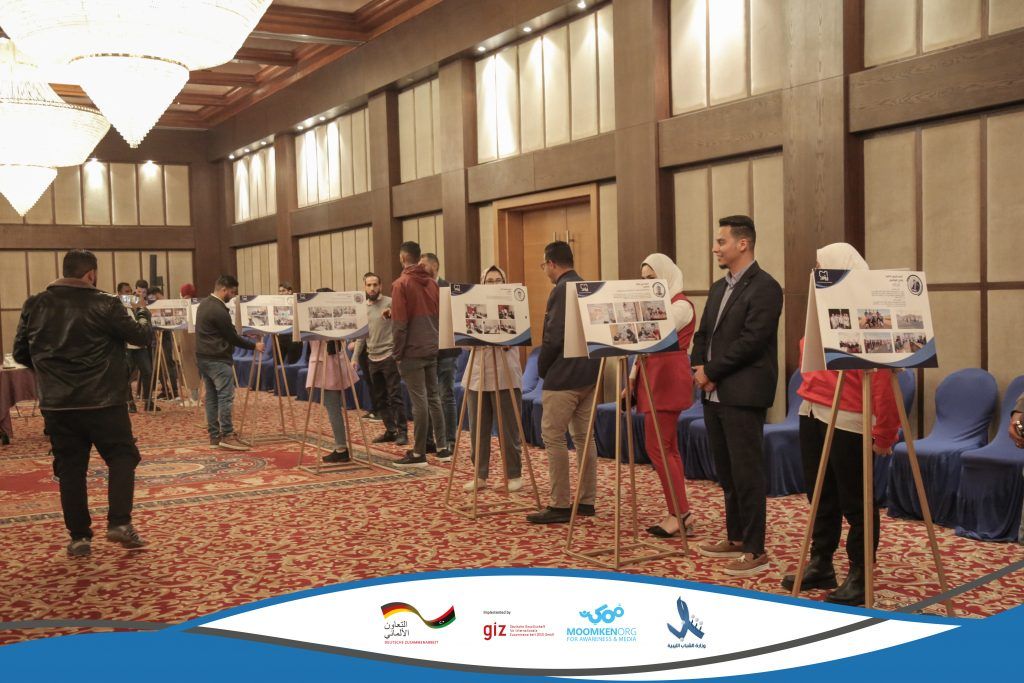
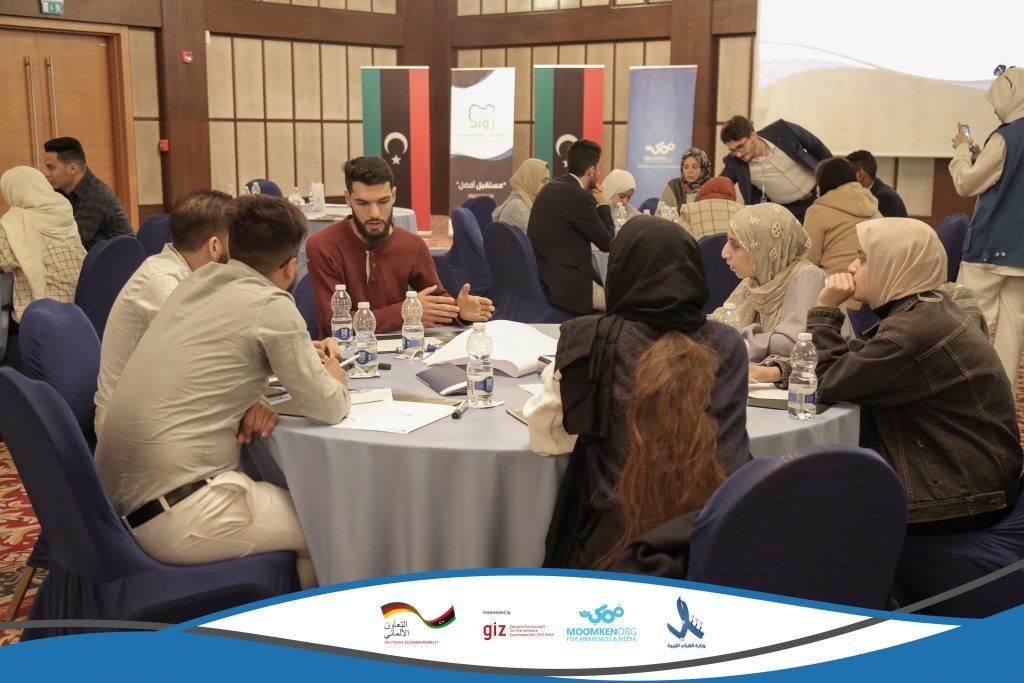
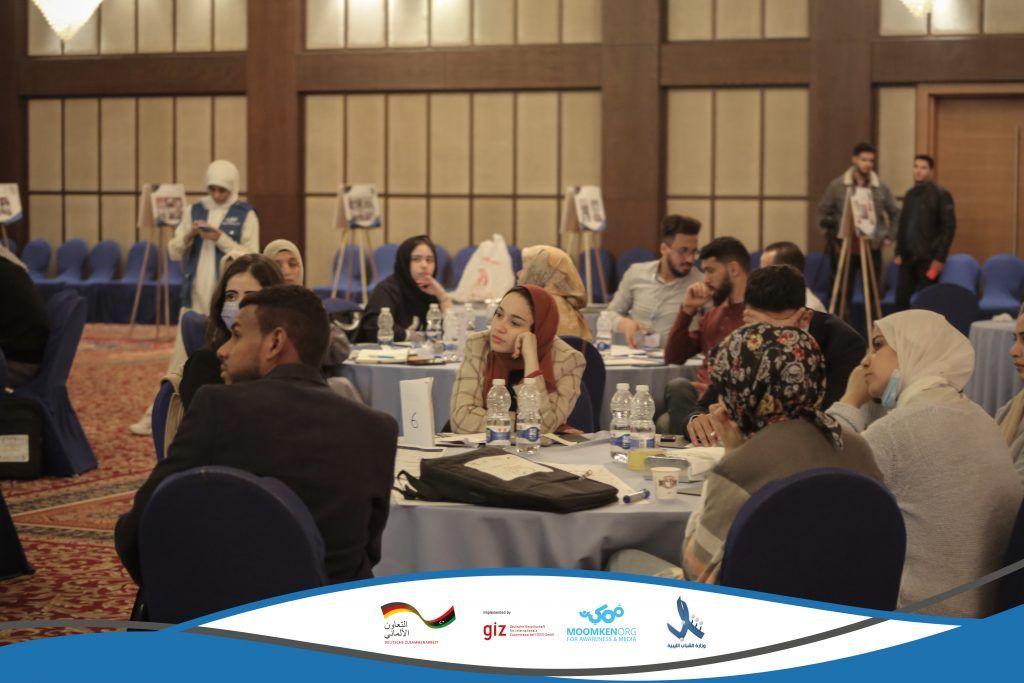
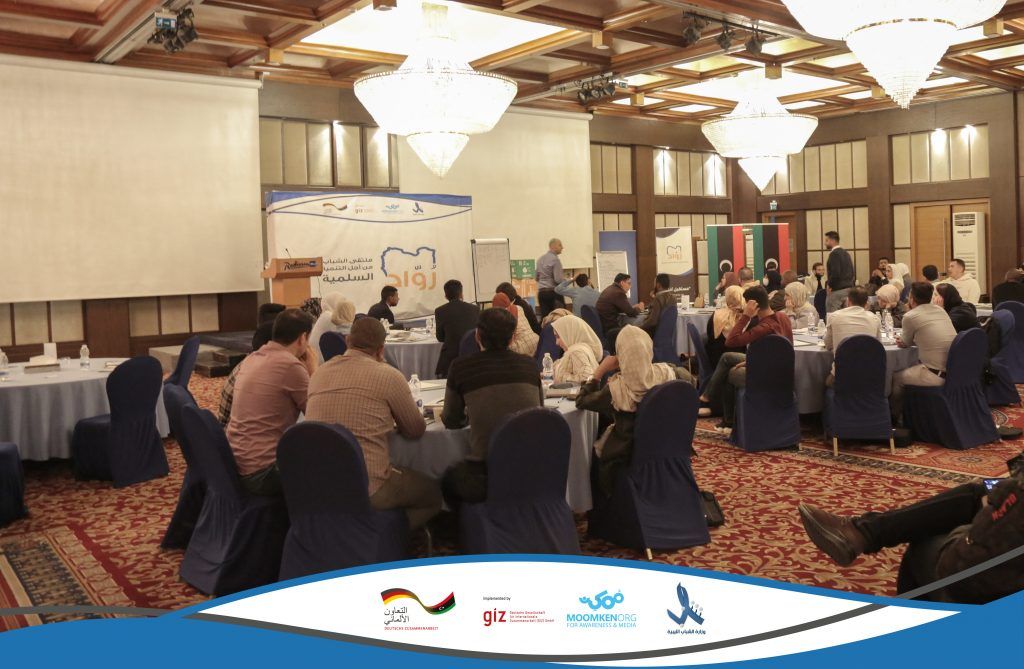
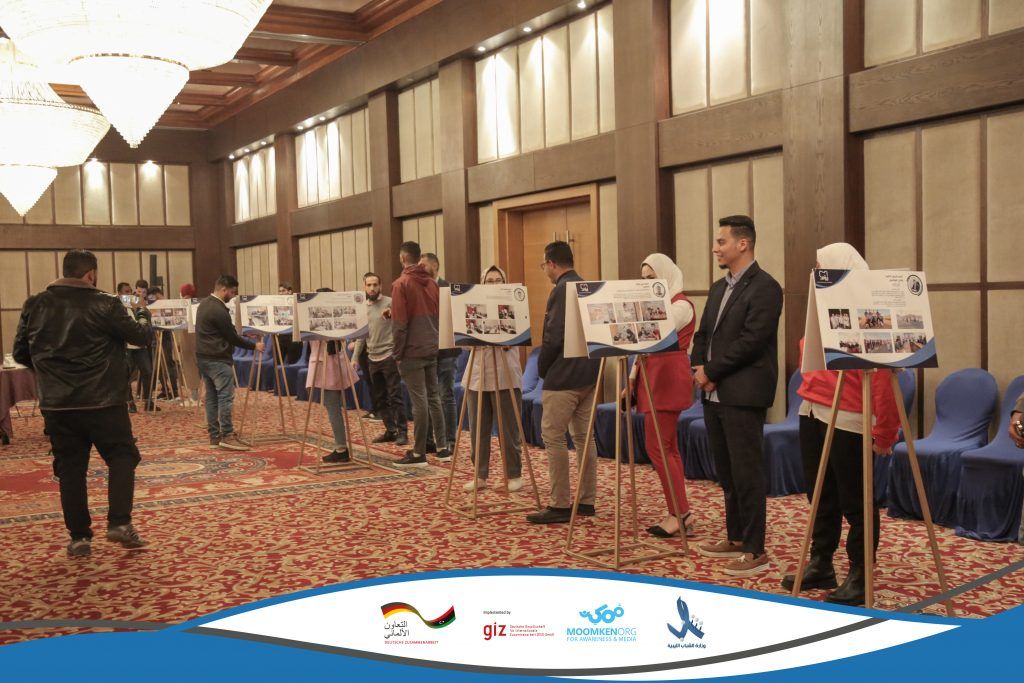
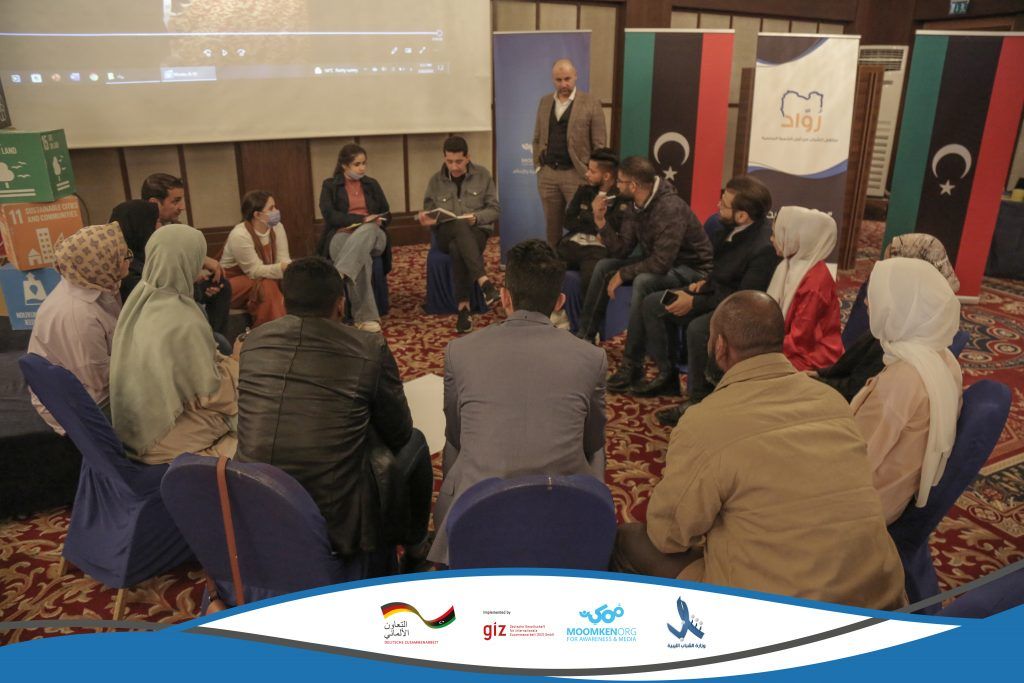
Tarseem | ArcGIS Training
BACKGROUND
The “Tarseem” project aims to create a map linked to a database, to be distributed free of charge to private and public entities, who in turn will explore its use. Authorities today are working to create digital maps that mirror aerial imagery and are collected in a geographic database.
VOLUNTEERS
These maps form the infrastructure that we need to run many government and private transactions and services such as shipping parcels, mail and delivery services, electricity bills, ambulance services, civil defense, police and other important services for citizens in addition to their role in facilitating the work of government agencies in several areas, such as energy and electricity.
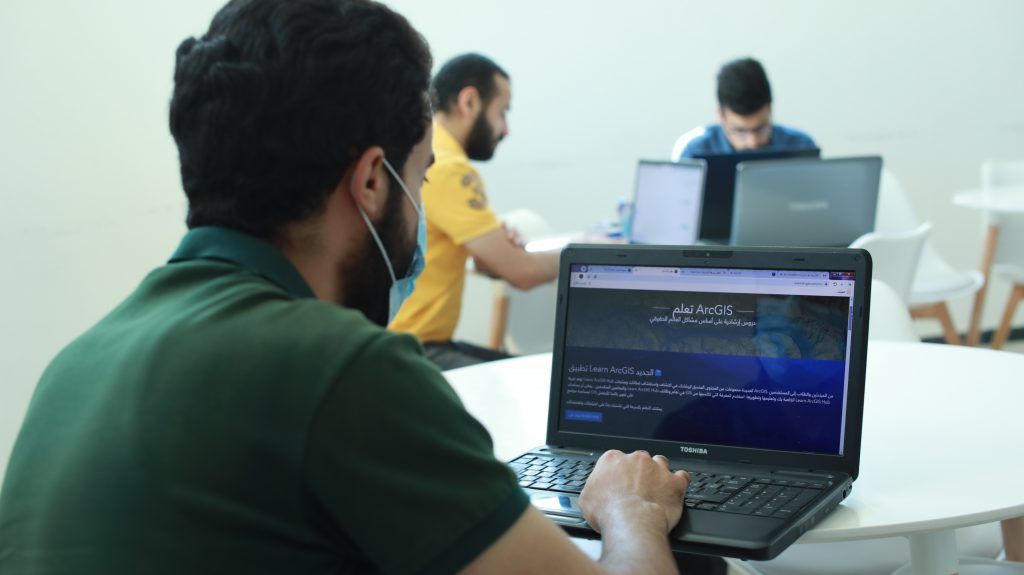
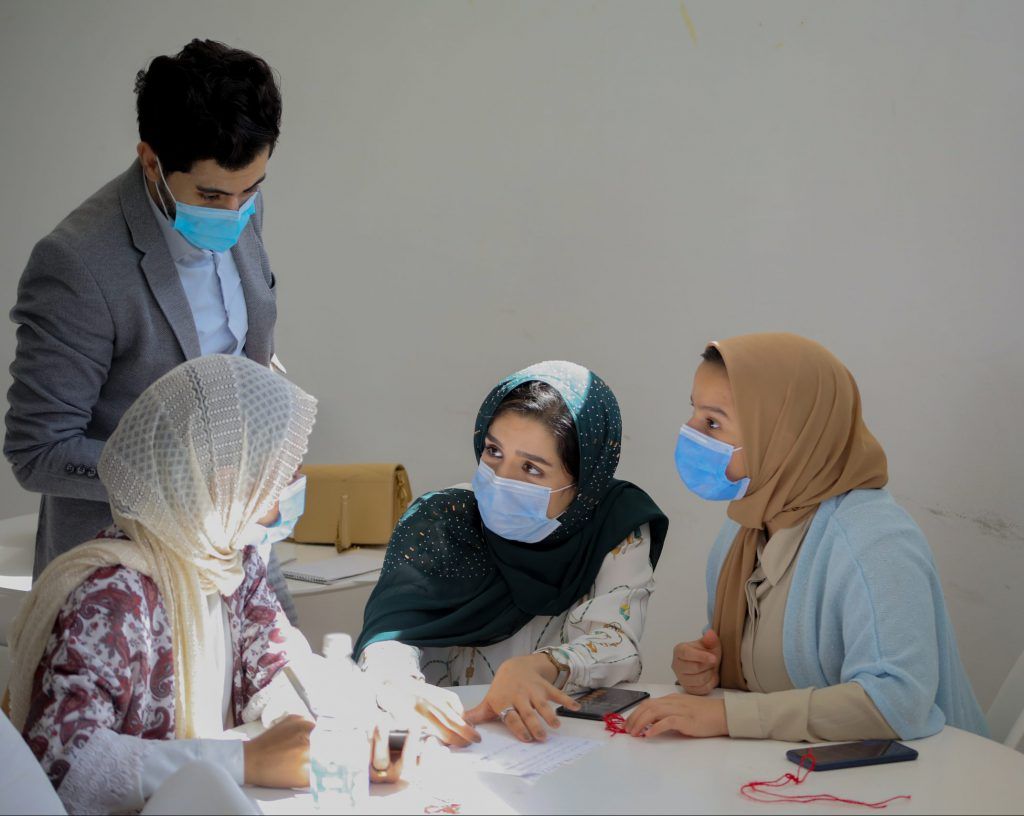
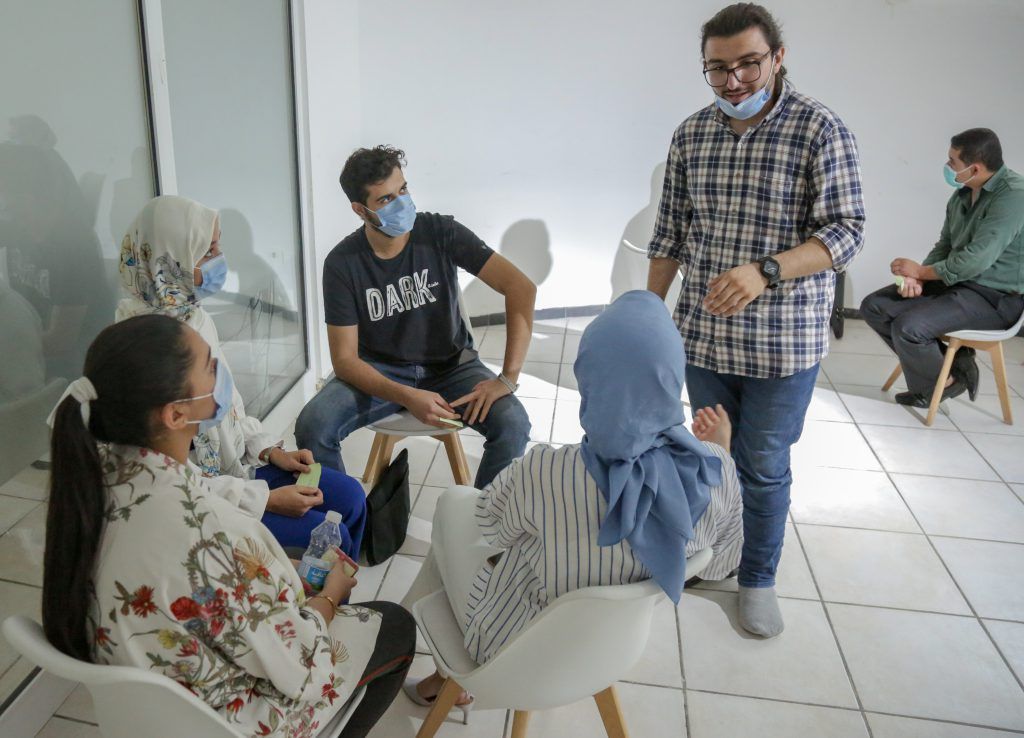
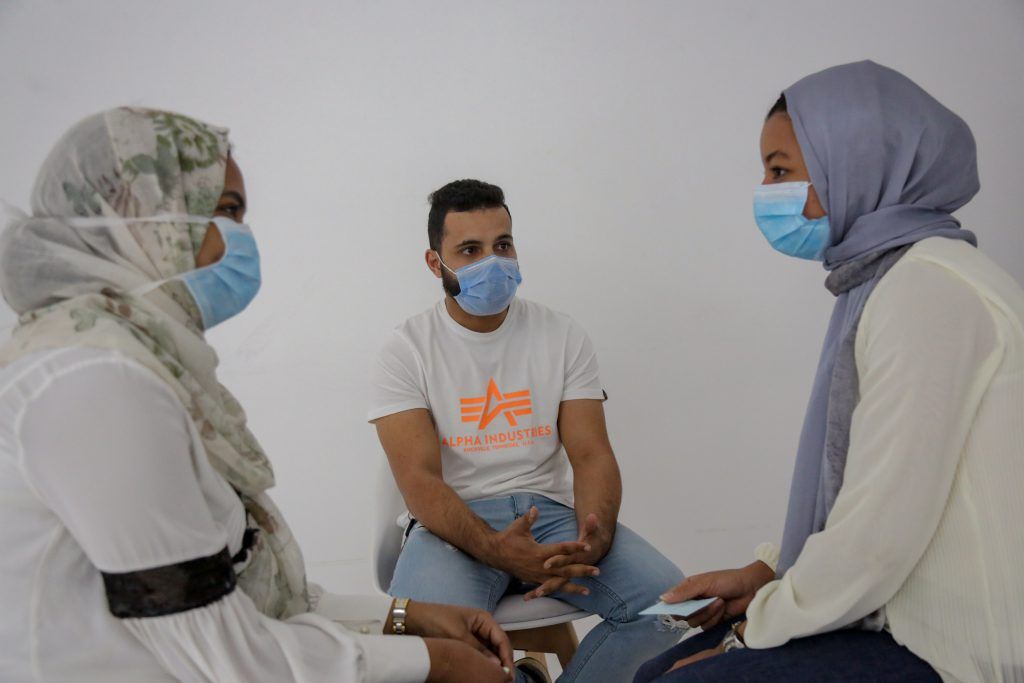
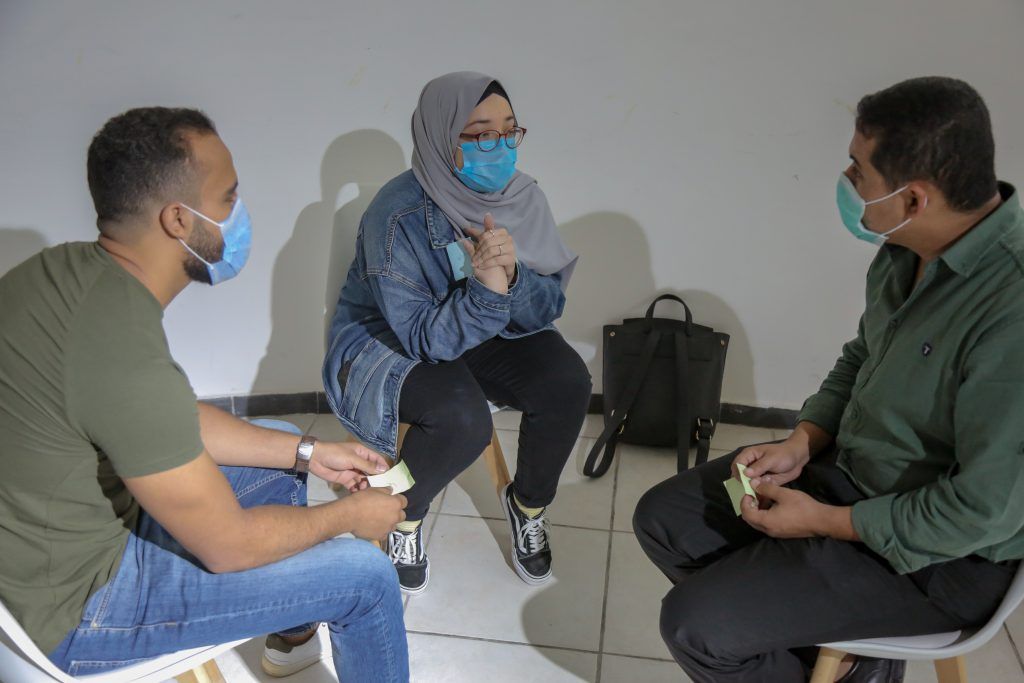
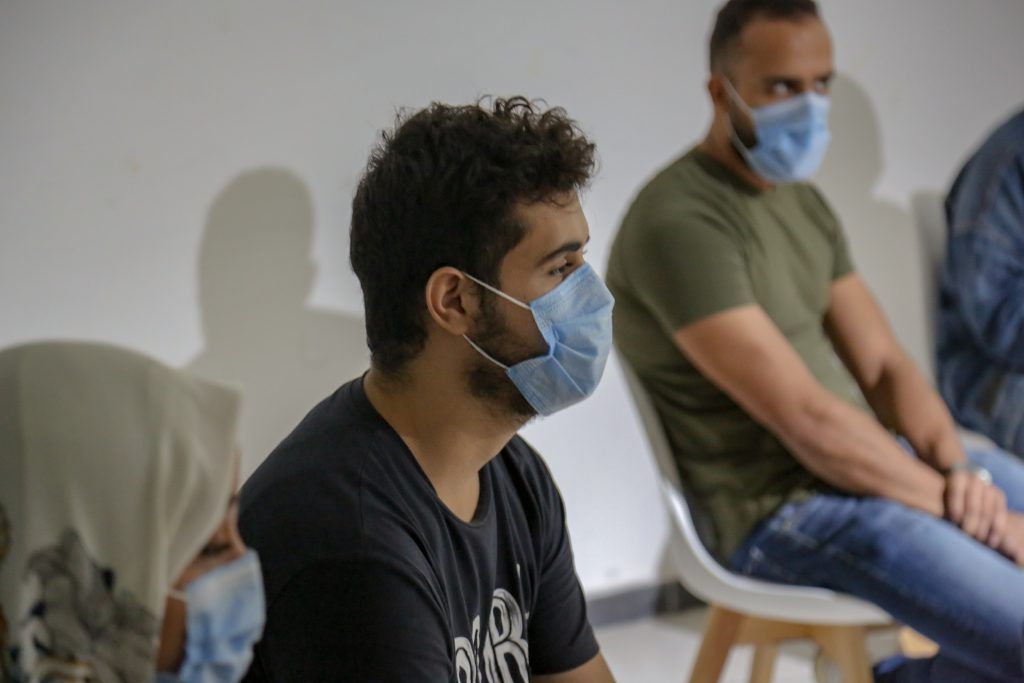
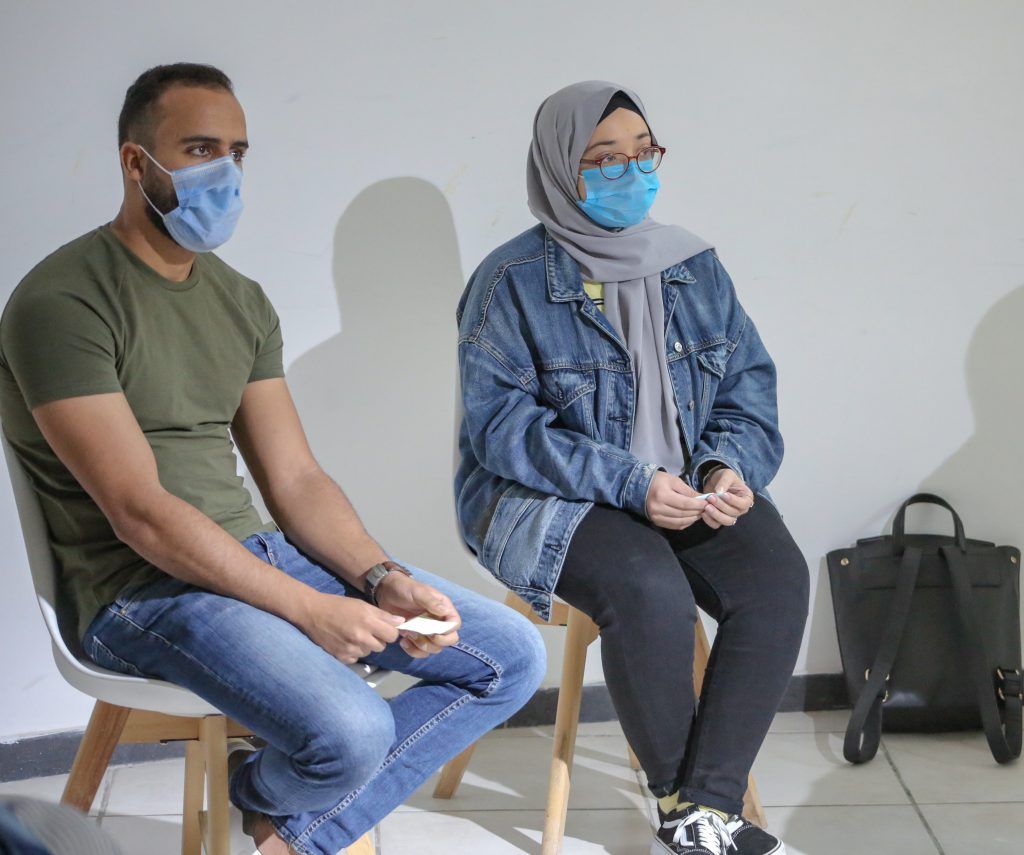
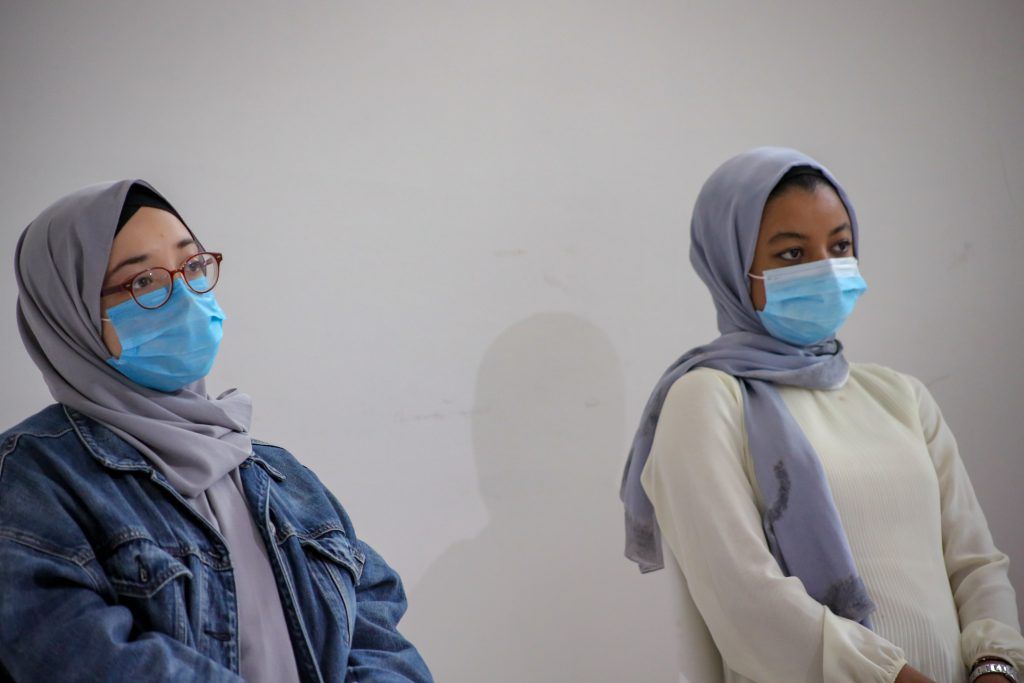
Digital Democracy Resource Center | DDRC
THE VISION
The project aims to support the democratic transition in Libya through increasing citizens’ and stakeholders’ knowledge of democratic principles and providing a platform for discussion to hold government accountable and promote fundamental human rights of all Libyan citizens.
OBJECTIVES
1. Civil society and activists’ knowledge and ability to engage in the political process enhanced.
2. Increase in engagement between citizens and stakeholders.
3. Increase citizens’ awareness on elections and the role of the High National Elector Commission.
The process of implementing this project started with most of the planned activities, with the aim of achieving the three objectives that were set, considering the evaluation indicators of the results and outputs. The first quarter of the project focused on the social media campaign, which is one of the alternative activities related to the third goal to raise citizens' awareness of elections and the role of democracy.
In addition, the knowledge guide concerned with the concept of democracy in theory and practice and democratic transformation in Libya has been prepared, and the information in the guide will be transferred to online training on the Mocs platform, and 100 people from all regions of Libya will be trained.
Also among the achievements of the project is a campaign “w enta shen rayak?” in cooperation with three Libyan organizations from all over Libya by holding dialogue sessions with unified titles to discuss issues of interest to the current political situation and to come up with recommendations for stakeholders.
It is important for citizens to be familiar with the concept of democracy and how it is applied to the Libyan context, to be present in a positive and interactive manner, and to have some good knowledge of the terms that define democracy.